
Android apps, stop using Apple’s Liquid Glass design
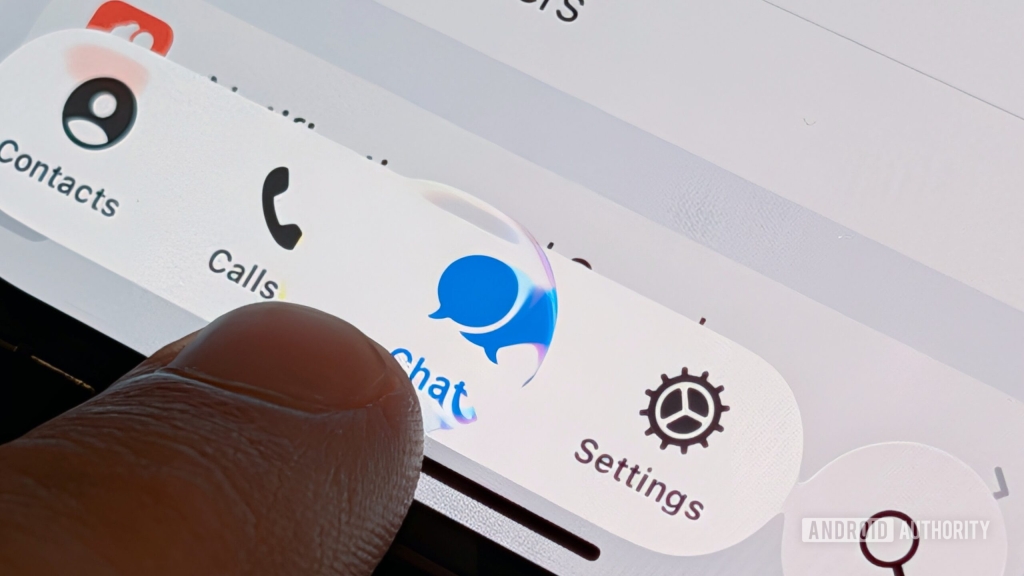
Apple’s Liquid Glass Design Is Invading Android—And Users Are Not Happy
Android users are growing increasingly frustrated as more apps abandon Google’s Material Design in favor of Apple’s Liquid Glass aesthetic, creating a disjointed and inconsistent user experience on Android devices.
The issue came to a head recently when popular note-taking app Obsidian released an update that completely overhauled its Android interface to mirror iOS design patterns. Circular floating action buttons, translucent bottom bars, and an overall lack of color customization make the app feel foreign on Android hardware.
“If I wanted Liquid Glass, I’d buy an iPhone,” said one frustrated user. “It doesn’t belong on Android.”
The problem extends beyond third-party developers. Major apps like Telegram have also adopted mixed design approaches that combine elements of Liquid Glass with proprietary systems, resulting in what critics describe as a “hodgepodge” of competing visual languages.
Telegram’s recent Android redesign exemplifies the confusion. While personal chats retain the app’s traditional design, channels now feature iOS-style top bars. The result is an inconsistent experience that fails to align with either platform’s design guidelines.
Google’s Material 3 Expressive design language, announced nearly a year ago with bold promises for color customization and dynamic theming, has seen minimal adoption even among Google’s own apps. The lack of implementation has left Android users feeling their platform’s design identity is being eroded.
Some developers argue that maintaining separate design systems for different platforms is resource-intensive. However, users counter that Android’s customization strengths and Material Design guidelines exist for good reason.
The debate highlights a broader tension in cross-platform app development: whether to prioritize brand consistency across devices or platform-specific user experience. For now, many Android users feel caught in the middle, using apps that look and feel like they belong on someone else’s phone.
Tags: Android design, Liquid Glass, Material Design, app UI, cross-platform development, user experience, Obsidian, Telegram, Material 3 Expressive, platform consistency
Viral phrases: “If I wanted Liquid Glass, I’d buy an iPhone,” “hodgepodge of competing visual languages,” “caught in the middle,” “using apps that look and feel like they belong on someone else’s phone,” “Android’s customization strengths,” “brand consistency vs platform-specific experience”
,
Leave a Reply
Want to join the discussion?Feel free to contribute!