
Want to Save Money This Winter? This Trick Can Knock $100 Off Your Electric Bill
Unplugging Appliances: The Hidden Energy Drain Costing You Hundreds Annually
As winter’s icy grip tightens across the nation, households brace for the inevitable spike in heating bills that can send budgets into a tailspin. A recent CNET survey reveals a staggering 78% of American adults are experiencing significant stress over rising utility costs, with energy prices showing no signs of stabilizing. While many assume their electronics and appliances stop consuming power when switched off, the reality is far more insidious.
Your devices are engaged in a silent energy heist, drawing power 24/7 even when you think they’re dormant. This phenomenon, known as “phantom load” or “vampire power,” represents one of the most overlooked opportunities for substantial savings on your monthly electricity bill.
The Shocking Truth About Standby Power
When you press that power button on your television or gaming console, you might assume the electrical consumption stops. However, according to Energy.gov, these devices continue siphoning electricity through various mechanisms. The power may be off, but the connection to your electrical grid remains active.
Consider your desktop computer in “sleep mode”—it’s not truly off, merely in a low-power state that still draws significant current. Your phone charger continues consuming electricity even when your device isn’t connected. Modern smart appliances with always-on displays, internet connectivity, and electronic controls represent some of the worst offenders in this energy-draining category.
The Department of Energy estimates that standby power accounts for a shocking 5% to 10% of residential energy consumption. That translates to real money flowing out of your wallet for absolutely no benefit. A Colorado State University experiment demonstrated that a combined radio/CD player/tape deck consumed 4 watts continuously, regardless of usage. Over the device’s lifetime, unplugging it when not in use would save approximately 100 times the power it consumed while active.
The Natural Resources Defense Council’s comprehensive study painted an even more alarming picture. Reducing the load from always-on devices could save American consumers a collective $8 billion annually while preventing the use of 64 billion kilowatt-hours of electricity. The environmental impact is equally significant—this reduction would prevent 44 million metric tons of carbon dioxide pollution. On an individual household level, the NRDC estimates that always-on devices cost the average family up to $165 per year.
Which Devices Are the Biggest Culprits?
Several categories of household electronics are particularly notorious for phantom power consumption:
Entertainment Systems: Televisions, cable boxes, streaming devices, and gaming consoles often remain partially powered to enable instant-on functionality and background updates.
Computing Equipment: Desktop computers left in sleep mode, monitors with standby lights, and printers that maintain network connectivity.
Kitchen Appliances: Modern refrigerators with internet connectivity, coffee makers with digital displays, and microwaves with clocks that run continuously.
Charging Equipment: Phone chargers, laptop adapters, and power tool chargers that draw power even when no device is connected.
Home Office Equipment: Printers, scanners, and networking equipment that maintain standby modes for quick activation.
Smart Home Devices: Smart speakers, security cameras, and connected thermostats that require constant power for functionality.
The Economic Reality: Is Unplugging Worth the Effort?
The question isn’t whether phantom power costs you money—it unquestionably does. The real question is whether the effort required to eliminate it justifies the savings. The answer depends largely on your specific situation and habits.
For households with numerous electronic devices and a tendency to leave them plugged in continuously, the savings can be substantial. Someone with multiple entertainment systems, home office equipment, and smart appliances could easily see savings in the $100-$200 range annually. For minimalists with few devices who already practice good energy habits, the savings might be more modest but still worthwhile.
The effort involved varies significantly based on your home’s electrical layout. Devices plugged into easily accessible outlets require minimal effort to unplug. However, if your entertainment center is tucked away in a cabinet with outlets behind furniture, the inconvenience factor increases substantially.
Practical Strategies for Maximizing Savings
Rather than attempting to unplug every device manually—an exercise in frustration for most households—consider these practical approaches:
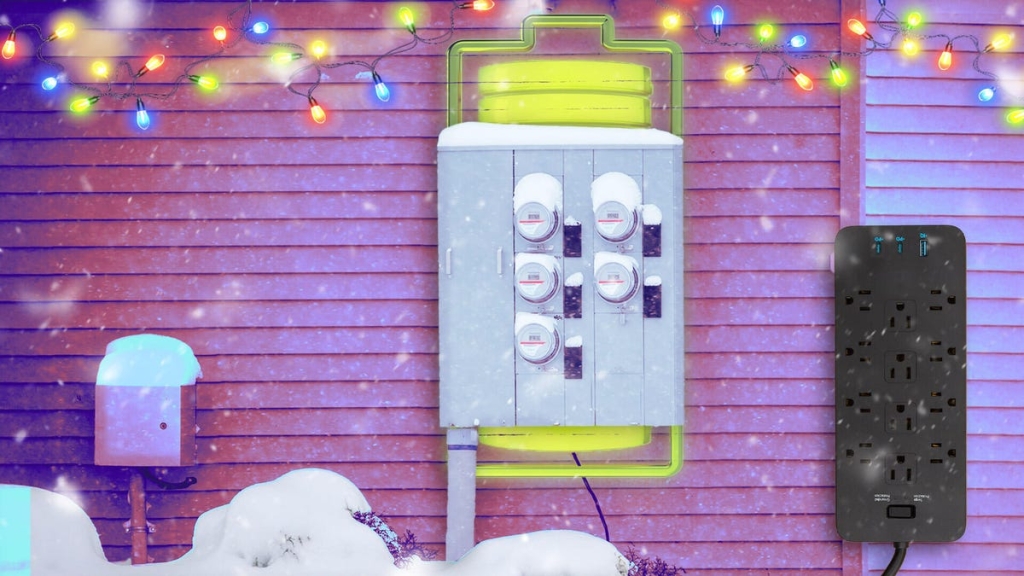
Surge Protector Power Strips: This represents the most effective compromise between convenience and energy savings. By plugging multiple devices into a single surge protector, you can cut power to all connected devices with one switch flip. Entertainment centers particularly benefit from this approach, as you can easily cut power to TVs, gaming consoles, sound systems, and streaming devices simultaneously.
Timer Solutions: For devices with predictable usage patterns, timers offer automated control. You might set your entertainment system’s power to only be available during evening hours when you typically use it, automatically cutting power during work hours and overnight.
Smart Plug Technology: Smart plugs represent the cutting edge of phantom load management. These Wi-Fi-enabled devices allow you to control power remotely via smartphone apps, set schedules, and even monitor energy consumption in real-time. Many integrate with voice assistants like Amazon Alexa or Google Assistant for hands-free control.
Strategic Unplugging: Focus your unplugging efforts on devices that are used infrequently or seasonally. Guest room televisions, rarely-used kitchen appliances, and decorative lighting represent prime candidates for unplugging when not in use.
Energy Star Selection: When purchasing new appliances, prioritize Energy Star certified models, which must meet strict standby power consumption requirements. These devices are engineered to minimize phantom load while maintaining necessary functionality.
Beyond Unplugging: Additional Energy-Saving Strategies
While addressing phantom load represents a significant opportunity for savings, it’s just one piece of the energy efficiency puzzle. Consider these complementary strategies:
Thermostat Optimization: Heating and cooling typically account for the largest portion of household energy consumption. A smart thermostat can learn your schedule and preferences while optimizing for energy efficiency, potentially saving 10-15% on heating and cooling costs.
LED Lighting Conversion: LED bulbs use approximately 75% less energy than incandescent bulbs and last 25 times longer. While the upfront cost is higher, the long-term savings and convenience make this an excellent investment.
Water Heater Adjustment: Many water heaters are set to temperatures higher than necessary. Reducing your water heater temperature from 140°F to 120°F can save 4-22% annually on water heating costs.
Air Filter Maintenance: Dirty HVAC filters force your system to work harder, consuming more energy. Regular filter replacement (every 1-3 months depending on your system and environment) ensures optimal efficiency.
Appliance Usage Timing: If your utility offers time-of-use rates, shifting energy-intensive activities like laundry and dishwashing to off-peak hours can yield significant savings.
The Bigger Picture: Environmental and Economic Impact
The phantom load problem extends beyond individual household economics to broader environmental and societal implications. The collective energy waste from always-on devices represents a massive inefficiency in our electrical infrastructure, requiring power plants to generate electricity that serves no useful purpose.
By addressing phantom load, households contribute to reduced demand on power generation, potentially decreasing reliance on fossil fuel plants and associated emissions. The NRDC’s estimate of 44 million metric tons of prevented carbon dioxide pollution annually from eliminating unnecessary standby power underscores the significant environmental benefits of this simple behavioral change.
Moreover, as energy prices continue their upward trajectory and become increasingly volatile, the ability to control and reduce consumption becomes not just economically prudent but financially necessary for many households. The strategies for addressing phantom load represent low-hanging fruit in the broader context of energy management—requiring minimal investment while yielding immediate returns.
Implementation Roadmap: Getting Started Today
Begin your phantom load reduction journey with these actionable steps:
-
Inventory Assessment: Walk through your home and catalog devices that remain plugged in continuously. Pay special attention to entertainment centers, home offices, and kitchens.
-
Priority Identification: Focus first on devices that are used infrequently or have high standby power consumption. Entertainment systems and computing equipment typically offer the best return on effort.
-
Surge Protector Deployment: Invest in quality surge protector power strips for areas with multiple devices. Consider models with individual outlet switches for maximum control.
-
Smart Technology Integration: For tech-savvy households, smart plugs offer the most sophisticated control and monitoring capabilities. Start with one or two in high-usage areas to test the technology.
-
Habit Formation: Develop routines around power management. Make unplugging chargers part of your device removal process. Incorporate power strip switching into your daily routine.
-
Progress Monitoring: Track your electricity bills to quantify savings. Many smart plugs provide detailed energy consumption data to help identify additional opportunities.
The battle against phantom load represents a rare win-win scenario in household economics—requiring minimal sacrifice while delivering tangible financial and environmental benefits. In an era of rising energy costs and growing environmental consciousness, the simple act of unplugging has never been more relevant or rewarding.
Tags: energy savings, phantom load, vampire power, standby power, smart plugs, surge protectors, energy efficiency, utility bills, winter heating, carbon footprint, Energy Star, LED lighting, smart thermostat, time-of-use rates, household electronics, environmental impact, electricity consumption, power management, cost reduction, sustainable living
Viral Phrases: “Your devices are secretly stealing your money,” “The hidden energy drain costing you $165/year,” “Stop feeding the energy vampires in your home,” “Unplug and save: The easiest money hack you’re not using,” “Why your ‘off’ TV is still costing you money,” “The shocking truth about standby power,” “How smart plugs can pay for themselves in months,” “The 10% energy waste hiding in plain sight,” “Winter heating bills got you stressed? Start here,” “The environmental impact of leaving things plugged in”
,


Leave a Reply
Want to join the discussion?Feel free to contribute!