
NASA’s crewed Artemis II launch gets pushed back again, this time due to a helium issue
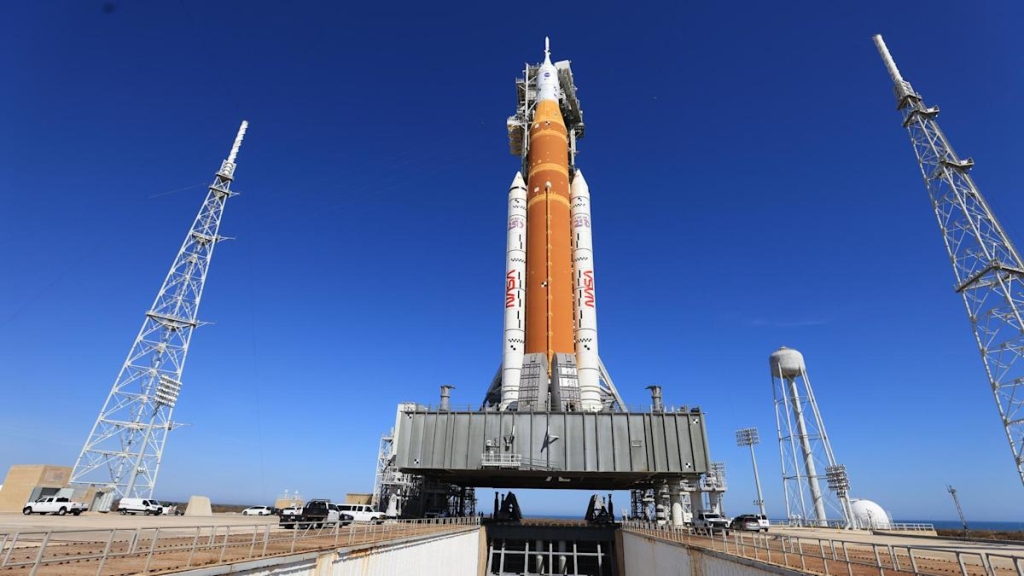
NASA’s highly anticipated Artemis II mission, the first crewed lunar flyby since the Apollo era, has hit a major snag just as it was gearing up for a March launch. The space agency revealed that a critical helium flow issue in the SLS rocket’s upper stage has forced a rollback from the launch pad to the Vehicle Assembly Building for urgent troubleshooting. This unexpected setback not only delays the mission but also throws the entire 2026 lunar exploration timeline into question.
The problem surfaced in the early hours of February 21, when NASA engineers detected an interruption in the helium supply to the interim cryogenic propulsion stage (ICPS). Helium is vital for maintaining the proper environmental conditions for the rocket’s engines and for pressurizing the liquid hydrogen and liquid oxygen propellant tanks. While the systems performed flawlessly during previous wet dress rehearsals, the issue emerged during normal operations following the final rehearsal on February 19. Engineers are now working to identify the root cause and implement a fix, with a media briefing scheduled to provide updates.
The four-mile rollback to the Vehicle Assembly Building, a delicate operation that will take several hours, is now set for February 24. This move effectively rules out the March launch window, and NASA is cautiously eyeing a potential April launch, depending on the outcome of the repairs. The delay is a significant blow to NASA’s accelerated timeline, which had already pushed the mission from its original April 2026 target to a more ambitious early 2026 date.
Artemis II is a landmark mission, marking the first crewed flight of the SLS rocket and the Orion spacecraft. The crew—Commander Reid Wiseman, Pilot Victor Glover, Mission Specialist Christina Koch, and Canadian Space Agency astronaut Jeremy Hansen—was just days into their pre-launch quarantine when the issue arose. Fortunately, they have since been cleared to leave quarantine as NASA reassesses the launch schedule.
The mission, which will see the astronauts embark on a 10-day journey around the Moon, represents a critical step in NASA’s broader Artemis program. This program aims to return humans to the lunar surface, establish a sustainable presence, and pave the way for future Mars missions. The delays and technical challenges underscore the complexity and risks inherent in space exploration, but they also highlight NASA’s commitment to safety and precision.
As the space agency works to resolve the helium flow issue, the world watches with bated breath. The Artemis II mission is not just a technical achievement; it is a symbol of human ingenuity and the relentless pursuit of discovery. While the setback is disappointing, it is a reminder that space exploration is a journey filled with challenges—and that overcoming them is what makes the final destination so extraordinary.
Tags & Viral Phrases:
- NASA Artemis II mission delayed
- Helium flow issue grounds SLS rocket
- First crewed lunar flyby in 50 years on hold
- Space exploration faces unexpected challenges
- NASA Administrator Jared Isaacman addresses setback
- Artemis II crew in limbo as repairs begin
- Rollback to Vehicle Assembly Building underway
- April launch window now in focus
- Wet dress rehearsal issues resurface
- Humanity’s return to the Moon postponed
- SLS rocket troubleshooting intensifies
- Orion spacecraft awaits next steps
- Space race 2.0 hits a speed bump
- NASA’s lunar ambitions face reality check
- Engineers race to fix critical rocket issue
- Artemis program timeline under scrutiny
- Space agency prioritizes safety over schedule
- Lunar mission delays spark global interest
- NASA’s next giant leap delayed but not deterred
- Space exploration: where patience meets progress
,


Leave a Reply
Want to join the discussion?Feel free to contribute!