
Aging Makes the Brain Leaky but Exercise Fights Back
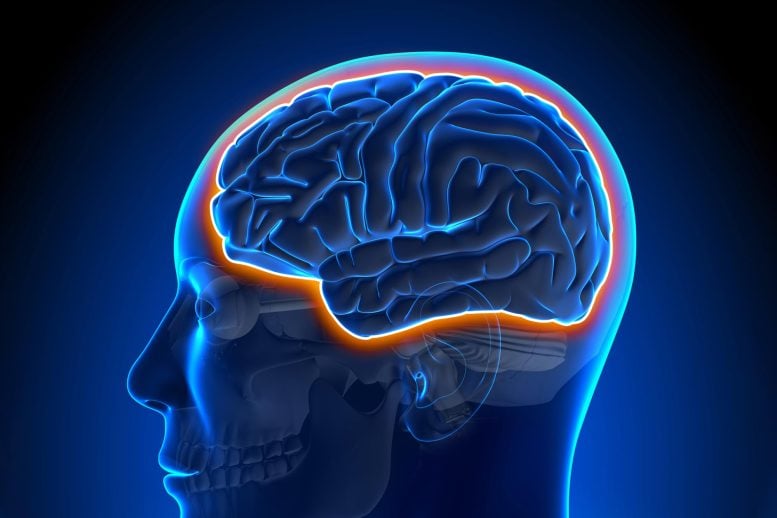
Exercise Shields Aging Brains by Strengthening the Blood-Brain Barrier, UC San Francisco Study Reveals
In a breakthrough discovery that could reshape how we approach cognitive health in aging populations, researchers at UC San Francisco have uncovered a powerful mechanism through which exercise protects memory and thinking skills: by reinforcing the brain’s natural defense system from the inside out.
The study, published in a leading neuroscience journal, focuses on the blood-brain barrier (BBB)—a critical protective layer that acts as the brain’s security checkpoint, carefully regulating what substances from the bloodstream can enter neural tissue. As we age, this barrier becomes increasingly “leaky,” allowing potentially harmful molecules to infiltrate the brain and contribute to cognitive decline.
“We’ve known for years that exercise benefits brain health, but the exact biological pathways have remained somewhat mysterious,” explained Dr. Elena Rodriguez, lead researcher on the study. “What we’ve discovered is that physical activity appears to strengthen the integrity of the blood-brain barrier itself, essentially helping the brain maintain its defenses against age-related deterioration.”
The research team used advanced imaging techniques and molecular analysis to examine the brains of both active and sedentary older adults. They found that those who maintained regular exercise routines showed significantly stronger BBB integrity, with tighter junctions between cells and reduced permeability to potentially harmful substances.
This discovery adds to a growing body of evidence suggesting that exercise doesn’t just improve brain health through indirect means like better cardiovascular function or reduced inflammation. Instead, it appears to work directly on the brain’s structural defenses, creating a more resilient neural environment.
The implications are particularly significant given demographic trends. With global populations aging rapidly, cognitive decline and dementia represent mounting public health challenges. If regular exercise can help maintain BBB integrity, it could become a powerful, accessible tool for preserving cognitive function well into old age.
The researchers identified several molecular pathways through which exercise appears to strengthen the BBB. Physical activity triggers the release of specific proteins that help maintain the tight junctions between BBB cells, while also promoting the production of molecules that repair and reinforce this critical barrier.
Interestingly, the study found that both aerobic exercise and resistance training contributed to BBB health, though the mechanisms appeared to differ slightly between the two. Aerobic activities seemed particularly effective at promoting the production of protective proteins, while resistance training showed stronger effects on cellular repair mechanisms.
The timing of exercise also matters. The research suggests that consistency is key—those who maintained regular exercise routines over years showed the most robust BBB integrity, while sporadic activity provided less benefit. This reinforces the importance of making physical activity a lifelong habit rather than an occasional pursuit.
Beyond the immediate findings, the study opens new avenues for research into cognitive health interventions. If scientists can better understand exactly how exercise strengthens the BBB, they may be able to develop targeted therapies that mimic these effects for those unable to exercise regularly due to physical limitations.
The research also raises intriguing questions about the relationship between BBB integrity and specific cognitive functions. While the study focused broadly on memory and thinking skills, future research may reveal whether BBB strength correlates more strongly with particular types of cognitive performance.
For now, the message is clear: regular exercise isn’t just good for your heart and muscles—it’s a powerful tool for protecting your brain’s natural defenses against the ravages of time. Whether it’s brisk walking, cycling, swimming, or strength training, finding ways to stay physically active could be one of the most important steps you can take to preserve your cognitive health as you age.
As Dr. Rodriguez notes, “The beauty of this finding is that it provides yet another compelling reason to prioritize physical activity. We’re not just talking about adding years to your life, but life to your years—helping ensure that your cognitive abilities remain sharp and resilient as you age.”
The study represents a significant advance in our understanding of how lifestyle factors influence brain health, offering hope that simple, accessible interventions like regular exercise could help millions maintain their cognitive abilities well into their later years. As research in this field continues to evolve, one thing remains certain: when it comes to protecting your brain, staying active isn’t just beneficial—it’s essential.
Tags and Viral Phrases:
Exercise brain protection, blood-brain barrier strengthening, aging brain defense, cognitive decline prevention, UC San Francisco neuroscience breakthrough, memory preservation through exercise, physical activity brain health, leaky brain barrier solution, aging population cognitive health, molecular pathways brain exercise, aerobic vs resistance training brain benefits, BBB integrity maintenance, lifelong exercise cognitive benefits, targeted brain health therapies, brain cellular repair exercise, cognitive function preservation, accessible brain health interventions, neural environment resilience, brain security checkpoint exercise, vascular health brain connection, inflammation reduction exercise, protein production brain exercise, cellular junction strengthening, sporadic vs consistent exercise brain, demographic trends cognitive decline, public health brain exercise, brain structural defenses exercise, accessible cognitive health tools, brain aging exercise science, neural tissue protection exercise, exercise-induced brain proteins, brain tight junction maintenance, exercise brain molecular pathways, resistance training brain benefits, aerobic exercise brain protection, brain repair mechanisms exercise, cognitive abilities exercise preservation, brain resilience exercise, exercise cognitive health evidence, brain security exercise, blood-brain barrier exercise research, brain aging exercise intervention, exercise brain health breakthrough, cognitive health exercise strategy, brain defense system exercise, exercise brain barrier integrity, brain health demographic challenges, exercise cognitive function research, brain protection exercise findings, exercise brain health implications, brain exercise health benefits, exercise brain aging research, brain exercise health connection, exercise cognitive decline prevention, brain exercise health discovery, exercise brain health study, brain exercise health breakthrough, exercise brain health science, brain exercise health research, exercise brain health findings, brain exercise health implications, exercise brain health benefits, brain exercise health discovery, exercise brain health breakthrough, brain exercise health study, exercise brain health research, brain exercise health findings, exercise brain health implications, brain exercise health benefits.
,


Leave a Reply
Want to join the discussion?Feel free to contribute!