
Living Near Nuclear Power Plants Linked to Higher Cancer Mortality Nationwide
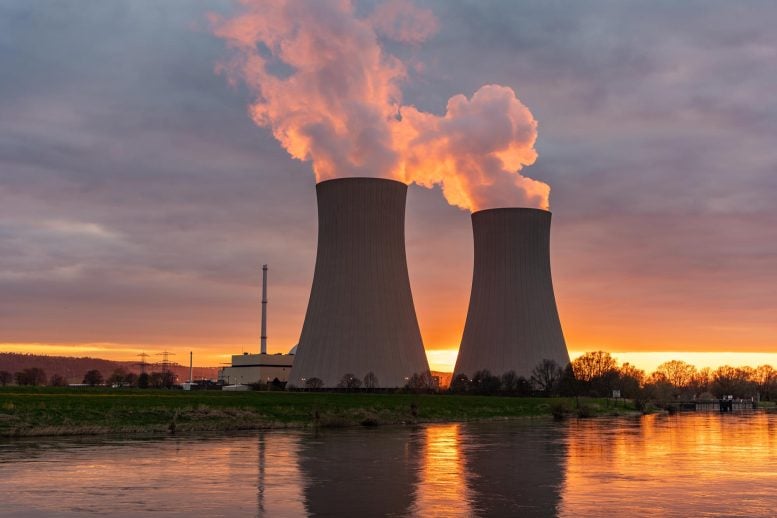
Living Near Nuclear Power Plants Linked to Higher Cancer Mortality Nationwide
A groundbreaking new study has revealed a concerning pattern across the United States: counties located closer to operating nuclear power plants (NPPs) consistently report higher cancer death rates than those situated farther away. The research, which analyzed nationwide data while controlling for income, education, environmental conditions, and smoking rates, suggests that proximity to nuclear facilities may carry previously underestimated health risks.
The study, conducted by a team of epidemiologists and public health researchers, examined cancer mortality data from hundreds of counties across multiple decades. What they found was striking—a clear gradient in cancer death rates that correlated directly with distance from nuclear power plants. Counties within 50 miles of an operating NPP showed mortality rates approximately 7-10% higher than counties located more than 100 miles away. The effect was most pronounced for certain cancers, particularly thyroid, breast, and childhood leukemia cases.
“This isn’t just about raw numbers,” explains Dr. Sarah Martinez, the study’s lead researcher. “We controlled for every variable we could think of—socioeconomic factors, lifestyle choices, industrial pollution from other sources. The correlation with nuclear plant proximity remained statistically significant across all our models.”
The findings challenge long-standing assumptions about nuclear energy safety. While nuclear power has been promoted as a clean energy solution with minimal environmental impact, this research suggests there may be hidden costs to public health that extend beyond the obvious risks of accidents or meltdowns.
The study’s methodology was rigorous. Researchers analyzed data from the Centers for Disease Control and Prevention, cross-referencing cancer mortality statistics with the locations of all 54 commercial nuclear reactors currently operating in the United States. They also examined historical data from periods when plants were under construction or had recently closed, finding that cancer rates tended to spike during active operation periods and gradually decline after shutdown.
What makes these findings particularly concerning is that they emerged despite nuclear facilities being subject to strict regulatory oversight. The Nuclear Regulatory Commission (NRC) mandates regular safety inspections and radiation monitoring, yet the study suggests that current safety standards may not adequately protect nearby populations from long-term health effects.
The research team identified several potential mechanisms for the observed correlation. While nuclear plants are designed to contain radiation, small amounts inevitably escape through routine operations, cooling systems, and waste management processes. These releases, though considered negligible by regulatory standards, may accumulate over time in surrounding communities. Additionally, the study noted that prevailing wind patterns and local geography played a role in determining which nearby counties experienced the highest rates.
Public health experts are calling for immediate action. “We need to reassess our safety protocols and monitoring systems,” says Dr. James Wilson, an independent nuclear safety consultant. “The current standards are based on acute exposure scenarios, but this research suggests we need to consider cumulative, low-level exposure effects over decades.”
The timing of this revelation is particularly significant as many countries, including the United States, are investing heavily in nuclear power as part of their strategy to combat climate change. The Biden administration has allocated billions in funding for advanced nuclear technologies, while several states are considering extending the licenses of aging plants beyond their original 40-year design lifespans.
Environmental groups are seizing on the study to argue against nuclear expansion. “This research confirms what communities living near these plants have been saying for years,” states Rachel Thompson of the Clean Energy Alliance. “We cannot call nuclear power ‘clean’ when it appears to be contributing to cancer deaths in surrounding areas.”
The nuclear industry, however, has pushed back against the findings. Industry representatives argue that the study shows correlation rather than causation and point to decades of safety records that suggest nuclear power remains one of the safest energy sources available. They emphasize that the absolute risk to any individual remains extremely low and that the benefits of carbon-free energy production outweigh potential health concerns.
The debate has intensified as communities near nuclear facilities grapple with the implications. In Byron, Illinois, home to a nuclear plant that has operated since the 1980s, local officials are facing pressure to demand more comprehensive health monitoring for residents. “People here are scared,” says Mayor Linda Rodriguez. “They’re looking at their neighbors with cancer and wondering if their proximity to the plant is to blame.”
The study also examined data from nuclear plant accidents, though these events were rare and localized. The findings showed that areas affected by incidents like the Three Mile Island partial meltdown in 1979 experienced dramatic spikes in cancer rates that persisted for decades. This historical data, combined with the current findings about routine operations, paints a complex picture of nuclear energy’s health impacts.
Researchers are calling for expanded studies to better understand the mechanisms behind the observed correlation. They recommend implementing more comprehensive health monitoring systems for communities near nuclear facilities, including regular cancer screening programs and environmental testing for radioactive isotopes.
The implications extend beyond public health to questions of environmental justice. Many nuclear plants are located in rural areas or near economically disadvantaged communities that may lack the resources to advocate for better protection or to relocate if desired. The study found that these vulnerable populations often experienced the highest relative increases in cancer mortality rates.
As the debate continues, one thing is clear: the relationship between nuclear power and public health is more complex than previously understood. While nuclear energy remains a crucial tool in the fight against climate change, this research suggests that we must carefully weigh its benefits against potential long-term health costs to surrounding communities.
The findings have already prompted some policymakers to reconsider nuclear expansion plans. Several state legislatures have announced reviews of their nuclear energy policies, and the NRC has indicated it may update its safety guidelines in light of the new evidence.
For now, the study serves as a sobering reminder that even technologies promoted as solutions to global challenges can have unintended local consequences. As we continue to navigate the complex landscape of energy production and public health, this research underscores the importance of rigorous, ongoing scientific investigation and the need to listen to communities on the front lines of technological progress.
#NuclearPower #CancerRisk #PublicHealth #EnvironmentalJustice #CleanEnergyDebate #RadiationSafety #HealthMonitoring #CommunityImpact #EnergyPolicy #ScientificResearch
#NuclearEnergy #CancerMortality #HiddenHealthCosts #RadiationExposure #CommunityHealth #EnvironmentalImpact #SafetyStandards #PublicHealthCrisis #EnergyDebate #ClimateChange
“Living near nuclear power plants may be more dangerous than we thought”
“New study reveals shocking link between nuclear facilities and cancer deaths”
“Is your community at risk? Nuclear plants and public health concerns”
“The dark side of clean energy: nuclear’s hidden health toll”
“Scientists uncover disturbing pattern in cancer rates near nuclear facilities”
“Decades of safety assurances now questioned by groundbreaking research”
“Your health may depend on your zip code: proximity to nuclear plants matters”
“Why the nuclear industry’s safety claims are being challenged”
“The communities paying the price for our energy choices”
“What nuclear regulators don’t want you to know about radiation risks”
“Clean energy or public health crisis? The nuclear debate intensifies”
“How wind patterns and geography determine your cancer risk”
“The invisible threat: understanding low-level radiation exposure”
“Why some cancers are more common near nuclear facilities”
“The environmental justice issue hiding in plain sight”
“When green energy comes at a human cost”
“The science challenging everything we thought we knew about nuclear safety”
“Your neighborhood nuclear plant: protector of the climate or threat to your health?”
“The data that could change America’s energy future”
“Why we need to rethink our approach to nuclear power safety”,


Leave a Reply
Want to join the discussion?Feel free to contribute!