
In Blind Test, Audiophiles Unable to Tell Difference Between Sound Signal Run Through an Expensive Cable and a Banana
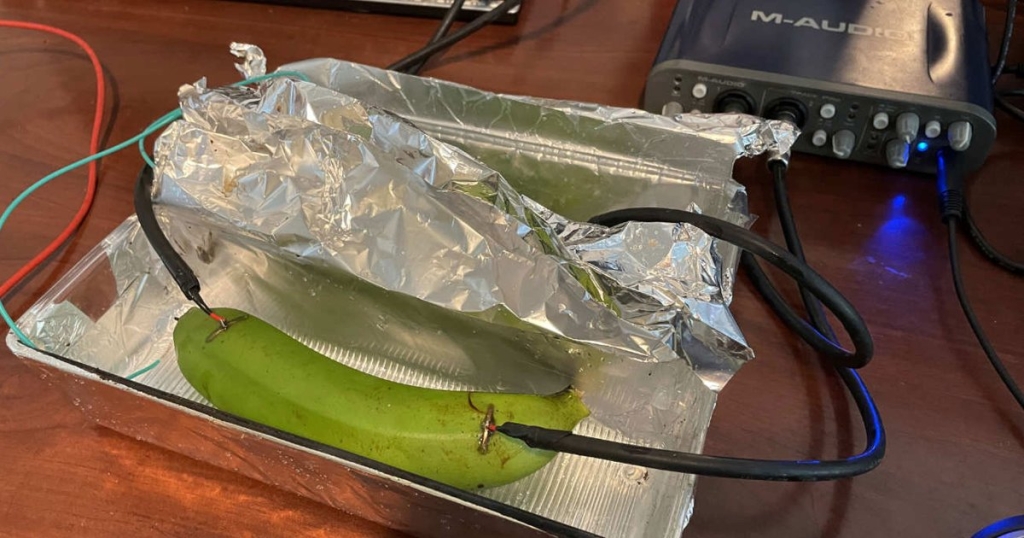
Audiophiles Stumped in Blind Test: Bananas, Mud, and Copper Cables Sound Nearly Identical
In a shocking twist that’s sending ripples through the high-end audio community, a blind listening test has revealed that audiophiles—often revered for their golden ears—couldn’t reliably distinguish between music transmitted through expensive copper cables, a simple banana, or even wet mud. The experiment, conducted by a moderator known as Pano on the diyAudio forum, has reignited the long-standing debate over whether premium audio cables are worth their astronomical price tags.
The Experiment That Shook the Audiophile World
For decades, the audiophile industry has thrived on the promise that superior sound quality requires superior cables—often priced in the tens of thousands of dollars. These cables boast ultra-pure copper, silver plating, specialized insulation, and intricate conductor designs, all marketed as essential for unlocking the full potential of luxury sound systems. But according to the laws of physics, as long as you avoid the cheapest options, the difference in sound quality is negligible.
To put this theory to the ultimate test, Pano devised an audacious experiment in 2024. He ran high-quality audio through four different mediums: professional-grade copper wire, an unripe banana, old microphone cable soldered to pennies, and wet mud. The resulting audio clips, all sourced from official CD releases, were then presented to fellow forum members in a blind test.
The Results: A Resounding “Who Cares?”
The outcome was nothing short of astonishing. Out of 43 participants, only six correctly identified the audio source. According to Tom’s Hardware, the results were “consistent with randomness,” meaning that listeners were essentially guessing. Pano himself was amazed, noting, “The mud should sound perfectly awful, but it doesn’t. All of the re-recordings should be obvious, but they aren’t.”
The explanation? Bananas and mud act like resistors in series, altering the signal level but not significantly impacting sound quality. Pano elaborated, “What does seem to actually matter for interconnects is [DC resistance] and shielding. Mud and bananas cause signal level loss and one of those materials does not have a flat frequency response.” He concluded that the material of the conductor—whether it’s oxygen-free copper, pure silver, or even steel—makes little to no difference in sonic quality. “Good old copper wire does the job. Steel, iron, or aluminum probably would too.”
The Internet Reacts: Jokes, Jeers, and Viral Memes
The experiment quickly went viral, sparking a flurry of jokes and memes across niche audiophile subreddits. One user quipped, “I replaced my speaker cables with trays of mud years ago,” while another joked, “I prefer bananas as interconnects for the warm fuzzy potassium.” The humor didn’t stop there—someone even suggested, “Maybe there are high-end bananas. The common (Cavendish type) tastes not the best.”
The backlash against overpriced cables was swift and merciless. Companies charging over $100,000 for a single speaker cable found themselves the target of widespread ridicule. The experiment has become a rallying cry for skeptics who argue that the audiophile industry has long been built on pseudoscience and marketing hype.
What This Means for the Future of Audio
While the experiment doesn’t suggest that we should all start wiring our sound systems with bananas or mud, it does challenge the notion that premium cables are a necessity for high-quality audio. For the average listener, a well-shielded, reasonably priced cable is likely to deliver the same performance as a gold-plated, ultra-pure copper masterpiece.
As Pano’s experiment demonstrates, the pursuit of perfect sound may be more about perception than reality. In a world where AI-generated sound effects are already fooling human ears, it’s clear that our ears—and our wallets—may not always be the best judges of quality.
Tags: audiophile, blind test, copper cables, banana, wet mud, sound quality, audio experiment, high-end audio, diyAudio, Tom’s Hardware, viral experiment, pseudoscience, speaker cables, oxygen-free copper, silver plating, DC resistance, shielding, Reddit, memes, jokes, luxury audio, physics of sound, audio myths, expensive cables, mud as conductor, banana as conductor, audiophile community, audio industry, sound reproduction, frequency response, audio equipment, high-fidelity, audio enthusiasts, audio technology, sound engineering, audio testing, audio myths debunked, audio cable controversy, audio cable debate, audio cable pricing, audio cable materials, audio cable science, audio cable performance, audio cable myths, audio cable facts, audio cable truth, audio cable reality, audio cable experiment, audio cable results, audio cable conclusions, audio cable implications, audio cable future, audio cable trends, audio cable innovation, audio cable skepticism, audio cable humor, audio cable jokes, audio cable memes, audio cable viral, audio cable news, audio cable update, audio cable discovery, audio cable revelation, audio cable shock, audio cable surprise, audio cable astonishment, audio cable disbelief, audio cable laughter, audio cable fun, audio cable entertainment, audio cable discussion, audio cable debate, audio cable argument, audio cable controversy, audio cable scandal, audio cable expose, audio cable expose, audio cable revelation, audio cable truth, audio cable facts, audio cable science, audio cable physics, audio cable engineering, audio cable technology, audio cable design, audio cable manufacturing, audio cable marketing, audio cable pricing, audio cable value, audio cable worth, audio cable cost, audio cable expense, audio cable luxury, audio cable premium, audio cable high-end, audio cable budget, audio cable affordable, audio cable cheap, audio cable expensive, audio cable overpriced, audio cable scam, audio cable hoax, audio cable fraud, audio cable deception, audio cable trickery, audio cable illusion, audio cable perception, audio cable reality, audio cable truth, audio cable facts, audio cable science, audio cable physics, audio cable engineering, audio cable technology, audio cable design, audio cable manufacturing, audio cable marketing, audio cable pricing, audio cable value, audio cable worth, audio cable cost, audio cable expense, audio cable luxury, audio cable premium, audio cable high-end, audio cable budget, audio cable affordable, audio cable cheap, audio cable expensive, audio cable overpriced, audio cable scam, audio cable hoax, audio cable fraud, audio cable deception, audio cable trickery, audio cable illusion, audio cable perception, audio cable reality.
,


Leave a Reply
Want to join the discussion?Feel free to contribute!