
This cool project crams classic Mac emulation into a four-inch alarm clock chassis
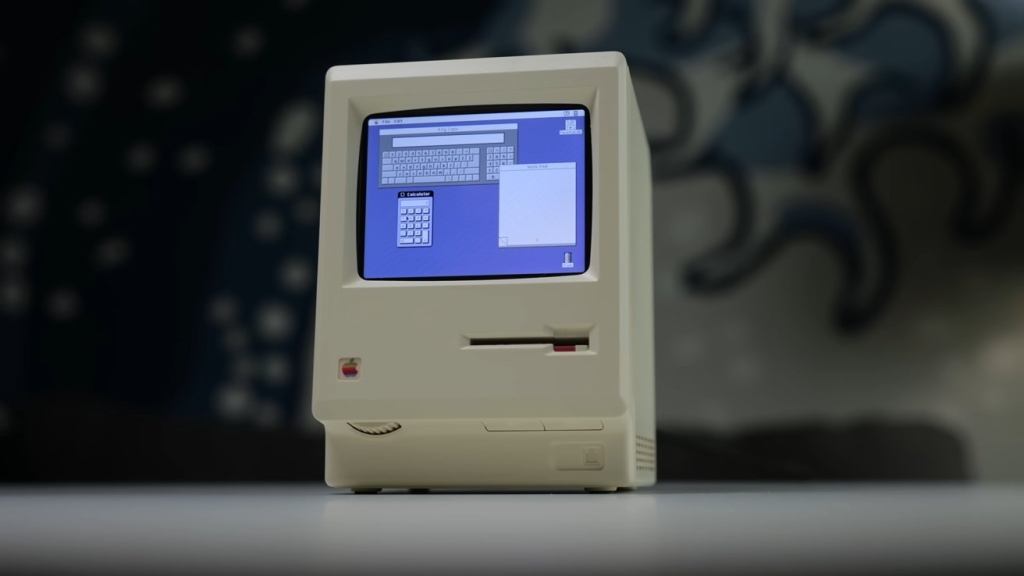
From Desk Decor to Do-It-All Mac: How a Tiny Clock Became a Full-Fledged Classic Macintosh
For years, the internet has been obsessed with one burning question: “Can it run Doom?” From washing machines to pregnancy tests, tech tinkerers have pushed the boundaries of what hardware can do. But now, a daring YouTuber has shifted the paradigm—asking not whether something can run Doom, but whether it can be a Mac. The answer, as it turns out, is a resounding yes.
In a project that blends nostalgia, engineering prowess, and a dash of pure audacity, the YouTube channel This Does Not Compute has transformed a palm-sized Macintosh-styled clock into a fully functional retro computer. The result? A pint-sized powerhouse that pays homage to Apple’s iconic design while packing modern computing muscle into a form factor that would make Steve Jobs smile.
The Birth of a Tiny Mac
The journey began with an unassuming object: a miniature Macintosh clock, likely purchased from a design store or online marketplace. At first glance, it’s a charming piece of desk decor—a tiny tribute to the original 1984 Macintosh, complete with the classic beige casing, the smiling Mac icon, and a clock face where the screen should be. But for This Does Not Compute, it was the perfect canvas for a bold experiment.
The YouTuber’s vision was clear: to gut the clock and replace its innards with a Raspberry Pi, effectively turning it into a working Macintosh emulator. The challenge? Fitting all the necessary components into a chassis barely larger than a coffee mug, while maintaining the clock’s aesthetic appeal.
The Build: A Masterclass in Miniaturization
The video documenting the project is a 15-minute deep dive into the art of compact computing. It opens with the disassembly of the clock, revealing a surprisingly spacious interior once the clock mechanism is removed. From there, the real work begins.
The heart of the build is a Raspberry Pi, chosen for its versatility and compact size. To this, the creator adds a small LCD screen, a USB sound card, a microSD card for storage, and a set of tiny speakers. Power is supplied via a USB-C port, cleverly integrated into the back of the clock to maintain its clean lines.
One of the most impressive aspects of the build is the attention to detail. The YouTuber goes to great lengths to ensure that the finished product looks as much like a real Macintosh as possible. This includes sourcing a miniature version of the classic Macintosh keyboard and mouse, both of which are fully functional. The clock’s original casing is carefully modified to accommodate the new components, with holes drilled for ports and vents added to prevent overheating.
Software: Bringing the Mac to Life
With the hardware in place, the next step is software. The Raspberry Pi is loaded with an emulator capable of running classic Macintosh operating systems, such as System 7. This allows the tiny Mac to run vintage software, from early versions of MacPaint to the original SimCity. The YouTuber even demonstrates the machine running Doom, proving that this little clock can indeed “Mac” as well as it can game.
The software setup is surprisingly robust. The Raspberry Pi is configured to boot directly into the Macintosh emulator, giving the illusion that the clock itself is a real Mac. The user interface is smooth, and the performance is impressive given the hardware constraints. It’s a testament to the power of modern single-board computers and the dedication of the maker community.
The Result: A Tiny Triumph
The finished product is nothing short of spectacular. The tiny Mac clock looks like it could have been a limited-edition Apple product, were it not for the fact that it’s about a quarter the size of the original. It sits proudly on the creator’s desk, a conversation piece that’s as functional as it is adorable.
But beyond its aesthetic appeal, the project is a celebration of what’s possible when creativity meets technology. It’s a reminder that the spirit of the original Macintosh—innovative, user-friendly, and beautifully designed—lives on in the hands of passionate makers.
Why This Matters
In an era where technology often feels disposable, projects like this one are a breath of fresh air. They remind us that with a little ingenuity, even the most mundane objects can be transformed into something extraordinary. They also highlight the enduring appeal of retro computing, as well as the versatility of platforms like the Raspberry Pi.
For Apple enthusiasts, the tiny Mac clock is a love letter to the company’s design legacy. It’s a nod to the past, but also a glimpse into the future—a future where customization and personalization are limited only by imagination.
The Takeaway
So, can it Mac? Absolutely. This tiny clock-turned-computer is a testament to the power of DIY culture and the enduring allure of Apple’s design philosophy. It’s a project that inspires, delights, and proves that sometimes, the best technology is the kind you build yourself.
As the maker community continues to push the boundaries of what’s possible, we can only imagine what other everyday objects will be next to undergo a high-tech transformation. One thing’s for sure: the next time someone asks, “Can it run Doom?” the answer might just be, “No, but it can Mac.”
Tags & Viral Phrases:
- Tiny Mac clock mod
- Raspberry Pi Macintosh emulator
- Classic Mac nostalgia
- DIY tech projects
- Can it Mac?
- Retro computing revival
- Apple design tribute
- Palm-sized powerhouse
- Macintosh clock transformation
- Steve Jobs would approve
- Miniature Macintosh magic
- Tech meets nostalgia
- Compact computing marvel
- Maker community masterpiece
- Vintage Mac revival
- Tiny tech, big impact
- Clock to computer conversion
- Retro Mac gaming
- Apple-inspired DIY
- Pint-sized Macintosh wonder
,

Leave a Reply
Want to join the discussion?Feel free to contribute!