
The human work behind humanoid robots is being hidden
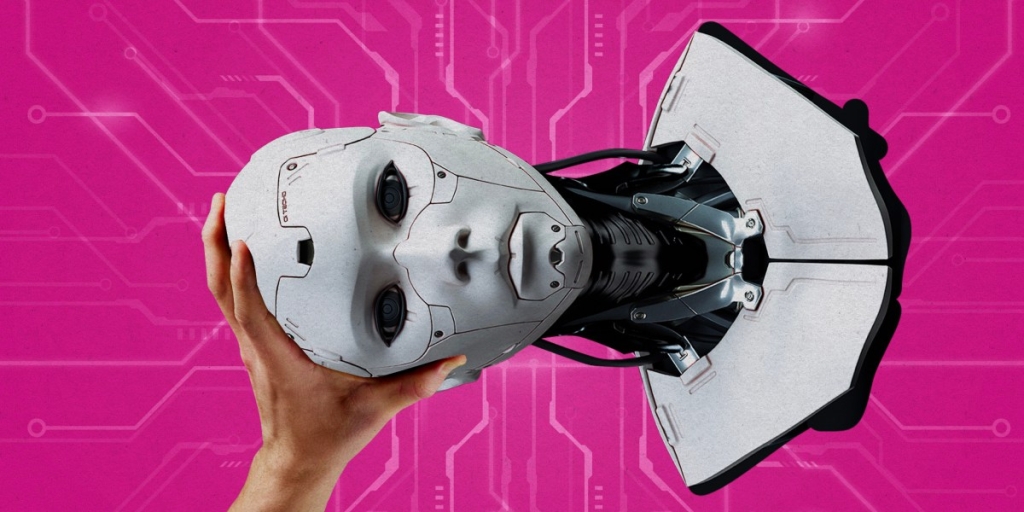
The Hidden Human Workforce Powering the AI Robot Revolution
In gleaming robotics labs and sleek demo videos, humanoid robots are being presented as the next frontier of automation—machines that can put away dishes, assemble cars, and eventually handle complex tasks with human-like dexterity. The narrative is compelling: why rely on single-purpose robot arms when you can build machines that think, learn, and adapt like humans? But beneath the polished demonstrations lies a troubling reality that robotics companies aren’t eager to discuss—these seemingly autonomous machines are powered by armies of invisible human workers.
The latest robotics breakthroughs aren’t just about clever engineering; they’re about capturing human movement at unprecedented scale. In Shanghai, a worker recently spent an entire week wearing a virtual reality headset and an exoskeleton, opening and closing a microwave door hundreds of times daily to train a robot. This isn’t science fiction—it’s happening now, documented by Rest of World in a glimpse of what the future of robot training looks like.
Meanwhile, in North America, Figure AI has announced a partnership with Brookfield, which manages 100,000 residential properties, to capture “massive amounts” of real-world data across various household environments. The implication is clear: your home could become a data collection site for training the next generation of household robots. When asked about these efforts, Figure declined to provide details.
This transformation of human movement into machine learning data represents a fundamental shift in how we think about automation. Just as our words became training data for large language models, our physical actions are now being harvested to teach robots how to move through the world. Roboticist Aaron Prather describes recent work with a delivery company that had workers wear movement-tracking sensors while handling packages—data that will directly train warehouse robots. “It’s going to be weird,” Prather admits. “No doubts about it.”
The implications extend far beyond data collection. Consider tele-operation, where humans remotely control robots when they get stuck or encounter difficult tasks. Neo, a $20,000 humanoid robot from startup 1X, is scheduled to ship to homes this year. But founder Bernt Øivind Børnich acknowledges that full autonomy isn’t guaranteed. If a robot encounters trouble—or if a customer requests a complex task—a tele-operator from 1X’s Palo Alto headquarters will take control, seeing through the robot’s cameras to complete the job.
This arrangement raises profound questions about privacy and labor. While 1X obtains customer consent before switching to tele-operation mode, the reality is that privacy as we currently understand it will cease to exist in homes where tele-operators can see and interact with your space through a robot. More troublingly, if these expensive home robots aren’t genuinely autonomous, we’re essentially witnessing a new form of wage arbitrage—recreating gig economy dynamics while enabling physical tasks to be performed from anywhere labor is cheapest.
We’ve witnessed similar patterns before. Content moderation for social media platforms and data labeling for AI companies routinely employ workers in low-wage countries to view disturbing content or perform repetitive tasks. Despite claims that AI will soon train on its own outputs, even the most advanced models require extensive human feedback to function properly.
These hidden human workforces don’t invalidate the promise of AI and robotics—but when they remain invisible, the public consistently overestimates what machines can actually do. This overestimation serves investors and generates hype, but it has real-world consequences. When Tesla marketed its driver-assistance software as “Autopilot,” it created inflated expectations about the system’s capabilities. A Miami jury recently found that this distortion contributed to a crash that killed a 22-year-old woman, resulting in a $240 million damages award against Tesla.
The same pattern threatens to repeat with humanoid robots. If NVIDIA’s Jensen Huang is correct that physical AI will transform our workplaces, homes, and public spaces, then how we describe and scrutinize this technology becomes critically important. Yet robotics companies remain as opaque about their training methods and tele-operation practices as AI firms are about their data sources.
This opacity creates a dangerous gap between perception and reality. We risk mistaking concealed human labor for genuine machine intelligence, seeing autonomy where none exists. As robots become more prevalent in our daily lives, understanding the human effort behind them isn’t just academic—it’s essential for making informed decisions about the technology that will increasingly shape our world.
The robot revolution isn’t just about machines replacing humans; it’s about humans becoming invisible infrastructure for machines. Until we acknowledge this reality, we’ll continue to be dazzled by demonstrations while missing the fundamental truth about how these systems actually work.
Tags
humanoid robots, AI training data, tele-operation, robotics labor, automation hype, hidden workforce, robot privacy, gig economy robotics, Figure AI, 1X Neo, Tesla Autopilot, robotics transparency, physical AI, human movement data, exoskeleton training, robotics ethics
Viral Phrases
robots learning from humans, microwave door training, invisible robot workforce, tele-operation privacy nightmare, wage arbitrage through robots, human data collection at scale, robots aren’t as smart as they look, the hidden humans behind AI, your home as a robot training lab, the weird future of robot labor, when robots need humans to work, the illusion of robot autonomy, robots powered by human effort, the dark side of home robots, robots and the gig economy, the truth about robot intelligence, humans as robot training data, the real cost of automation, robots and privacy concerns, the future of invisible labor
Viral Sentences
The future of robotics isn’t about machines replacing humans—it’s about humans becoming invisible infrastructure for machines. Your home could become a data collection site for training the next generation of household robots. Privacy as we know it will not exist in a world where tele-operators are doing chores in your house through a robot. We risk mistaking concealed human labor for genuine machine intelligence. The robot revolution isn’t just about machines replacing humans. Humans are now becoming the training data for physical AI systems. The most advanced robots still need humans to step in when things get complicated. Robot companies are creating a new form of wage arbitrage through tele-operation. The same hype that sold us “Autopilot” is now selling us humanoid robots. Understanding the human effort behind robots isn’t just academic—it’s essential for making informed decisions.
,

Leave a Reply
Want to join the discussion?Feel free to contribute!