
Did Climate Change End One of China’s Greatest Dynasties?
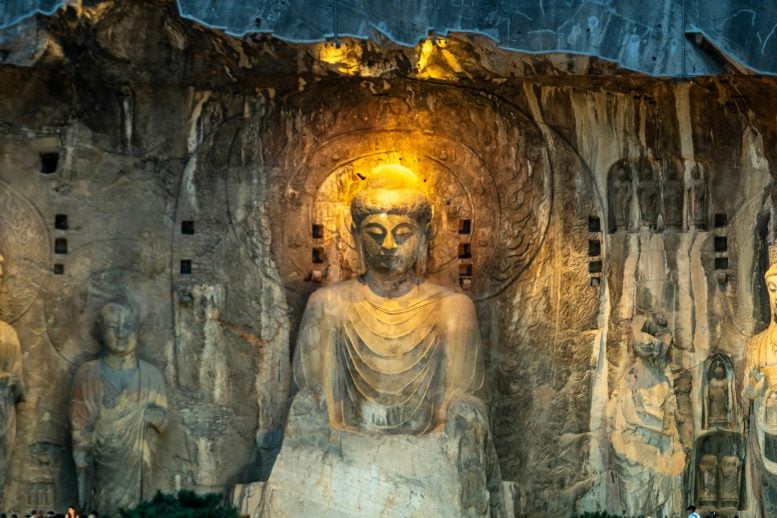
Climate Shifts and Societal Collapse: How Environmental Change May Have Toppled One of China’s Greatest Dynasties
In the annals of history, few empires have shone as brightly as the Tang Dynasty, often hailed as a golden age of Chinese civilization. Spanning nearly three centuries from 618 to 907 CE, the Tang era was marked by unprecedented cultural, economic, and technological achievements. Yet, beneath the surface of this prosperity, a silent and relentless force was at work—one that would eventually contribute to the dynasty’s downfall. Recent interdisciplinary research suggests that climate change, a phenomenon often associated with modern crises, played a pivotal role in destabilizing one of China’s most illustrious dynasties.
The study, conducted by an international team of historians, climatologists, and archaeologists, sheds light on how environmental shifts can ripple through societies, disrupting social structures and political systems. By analyzing tree rings, ice cores, and historical records, the researchers uncovered a period of prolonged drought and cooling that coincided with the late Tang Dynasty’s decline. This climatic upheaval, they argue, triggered a cascade of consequences that ultimately led to the empire’s collapse.
A Dynasty Under Siege
The Tang Dynasty’s decline began in the mid-8th century, marked by internal rebellions, economic instability, and external threats. However, the new research suggests that these challenges were exacerbated by a series of environmental disasters. Around 850 CE, a severe drought struck northern China, devastating agricultural production and triggering widespread famine. This was followed by a period of cooling, known as the Late Antique Little Ice Age, which further strained the empire’s resources.
The impact of these climatic changes was profound. Crop failures led to food shortages, which in turn fueled social unrest and migration. As rural populations flocked to urban centers in search of sustenance, the strain on infrastructure and governance became unsustainable. The Tang government, already weakened by corruption and internal strife, struggled to maintain order. Banditry and rebellion flourished, and the empire’s military, stretched thin by external threats, was unable to quell the rising tide of discontent.
The Human Cost of Climate Change
The research highlights the human toll of these environmental shifts. Historical records from the period describe scenes of desperation, with families abandoning their homes in search of food and safety. Entire communities were displaced, leading to a breakdown in social cohesion. The once-thriving cities of the Tang era became overcrowded and chaotic, as the influx of migrants strained resources and exacerbated tensions.
One particularly striking example is the An Lushan Rebellion (755-763 CE), which, while predating the worst of the climatic upheaval, set the stage for the dynasty’s eventual collapse. The rebellion weakened the Tang government’s ability to respond to environmental crises, leaving the empire vulnerable to the compounding effects of drought and cooling. By the time the worst of the climate-driven disasters struck, the dynasty was already on the brink of collapse.
Lessons for the Modern World
The story of the Tang Dynasty’s decline offers a stark reminder of the interconnectedness of environmental and societal systems. While the challenges faced by medieval China were vastly different from those of today, the underlying dynamics remain strikingly similar. Climate change continues to drive migration, disrupt economies, and strain political systems, as evidenced by the ongoing global climate crisis.
The research also underscores the importance of interdisciplinary approaches to understanding complex historical phenomena. By combining insights from climatology, archaeology, and history, the team was able to paint a more comprehensive picture of the Tang Dynasty’s decline. This holistic perspective is crucial for addressing the multifaceted challenges posed by climate change in the modern era.
A Call to Action
As the world grapples with the realities of climate change, the lessons of the past are more relevant than ever. The Tang Dynasty’s collapse serves as a cautionary tale, reminding us of the fragility of human societies in the face of environmental upheaval. It also highlights the need for proactive measures to mitigate the impacts of climate change, from investing in sustainable agriculture to strengthening social safety nets.
In the words of the researchers, “The past is not just a record of what has been; it is a guide to what could be.” By learning from the successes and failures of ancient civilizations, we can better prepare for the challenges of the future. The story of the Tang Dynasty is not just a chapter in history—it is a call to action for a world on the brink of its own environmental reckoning.
Tags & Viral Phrases:
- Climate change and ancient civilizations
- How environmental disasters shaped history
- The Tang Dynasty’s fall: A climate-driven collapse
- Lessons from the past: Climate change and societal collapse
- The hidden forces behind historical events
- Interdisciplinary research reveals climate’s role in history
- From drought to rebellion: The Tang Dynasty’s downfall
- Climate-driven migration: Not just a modern crisis
- The Late Antique Little Ice Age and its impact
- History’s warning: Climate change and societal instability
- The Tang Dynasty: A golden age undone by climate
- How tree rings and ice cores tell the story of the past
- The An Lushan Rebellion and its long-term consequences
- Environmental disasters and the collapse of empires
- The interconnectedness of climate and society
- A cautionary tale for the modern world
- The fragility of human civilizations in the face of climate change
- Proactive measures to combat climate-driven crises
- The past as a guide to the future
- History’s lessons for today’s climate challenges
,

Leave a Reply
Want to join the discussion?Feel free to contribute!