
Myopia Is Surging, And One Common Habit Could Be Driving It : ScienceAlert
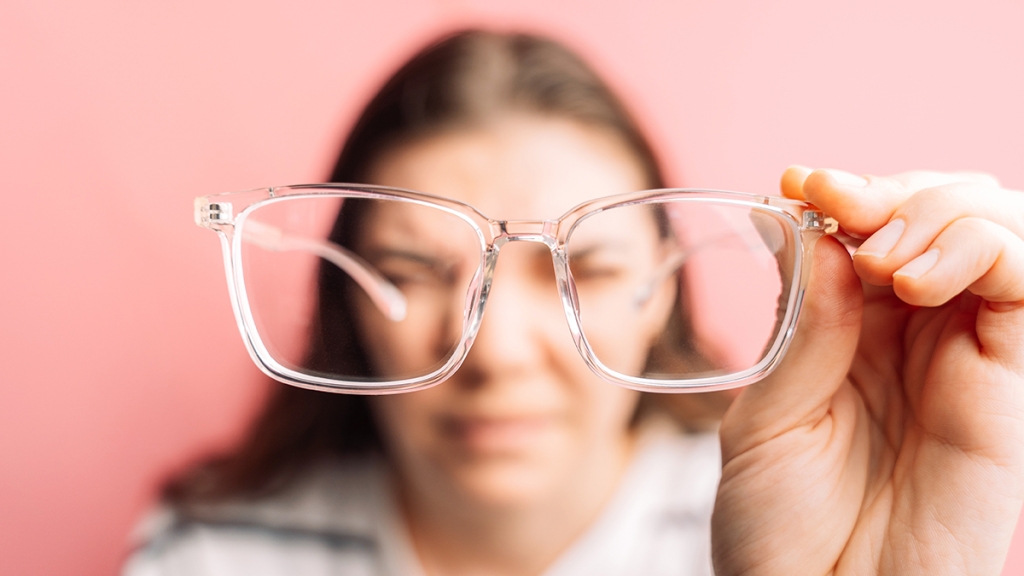
Here’s a detailed rewrite of the technology news article about myopia, written in an informative yet viral tone, with approximately 1200 words:
Myopia Epidemic: New Study Suggests Indoor Light Deprivation Could Be the Culprit
In a world where screens dominate our daily lives and outdoor activities are increasingly sidelined, a silent epidemic is sweeping across the globe: myopia, or short-sightedness. New research from the State University of New York (SUNY) College of Optometry suggests that our modern indoor lifestyle might be playing a far more significant role in this vision crisis than previously thought.
The numbers are staggering. Nearly 40% of young people are projected to have myopia by 2050, with cases rising at an alarming rate worldwide. For years, the blame has been placed squarely on screen time, but this new study suggests there’s more to the story.
Led by visual neuroscientist Jose-Manuel Alonso, the SUNY team conducted experiments with 34 volunteers—21 with myopia and 13 with normal vision. The participants were asked to focus on square targets that varied in brightness and contrast, one eye at a time. What the researchers discovered challenges our understanding of how myopia develops.
“We’ve been looking at this problem from the wrong angle,” Alonso explains. “It’s not just about how close we hold our devices or how long we stare at screens. It’s about how much light reaches our retinas during these activities, particularly when we’re indoors.”
The study found that when people with myopia focus on nearby objects, their pupils constrict more dramatically than those with normal vision. This pupil constriction, which normally helps sharpen images, appears to create a feedback loop that worsens the condition over time. In dim indoor lighting, this effect is amplified significantly.
Think of it like this: your eyes are constantly trying to balance focus and brightness. When you’re indoors, especially in spaces with limited natural light, your pupils work overtime to compensate. For people predisposed to myopia, this constant adjustment might be pushing their eyes toward short-sightedness.
The research also examined three key behaviors associated with near work: how the eyes focus (accommodation), how they turn inward, and how the pupils constrict. The team made adjustments to account for the activation of the ON and OFF pathways in the retina, which are responsible for processing light and darkness respectively.
One of the most surprising findings was that contrast mattered more than brightness when it came to eye movement and pupil constriction. The researchers observed that people with myopia already had their eyes turned inward to a greater degree even before focusing, and their pupils shrank more than those with normal vision. This combination likely weakens the ON pathway in the retina, which has previously been linked to myopia.
The implications are profound. If the hypothesis is correct, simply spending more time outdoors could be a powerful preventive measure against myopia. Outdoor light, even on cloudy days, is exponentially brighter than typical indoor lighting. This natural brightness might provide the retinal stimulation that developing eyes need to maintain proper shape and function.
But why does this matter now? Our ancestors spent most of their time outdoors, exposed to natural light cycles. Today’s children, however, often spend their days in brightly lit classrooms or dark living rooms, their eyes constantly adjusting between screens and indoor environments. This shift in lifestyle coincides perfectly with the rise in myopia rates.
The study also raises questions about current vision correction methods. Traditional eyeglasses and contact lenses focus on correcting blurry vision but might inadvertently reduce the amount of light reaching the retina. If light deprivation is indeed a key factor in myopia progression, then our current treatments might be missing a crucial piece of the puzzle.
Critics of the study point out its limitations. With only 34 participants and no long-term tracking or outdoor versus indoor comparisons, the findings are more hypothesis-generating than conclusive. However, the physiological measurements are sound, and they align with numerous previous studies linking outdoor time to reduced myopia risk.
“This is not a final answer,” Alonso emphasizes. “It’s a hypothesis grounded in measurable physiology that brings together many pieces of existing evidence. We need more research, but it gives us a new way to think about prevention and treatment.”
The potential impact of this research extends far beyond individual vision health. Myopia isn’t just inconvenient—it’s associated with increased risks of serious eye conditions later in life, including retinal detachment, glaucoma, and cataracts. Early intervention could prevent not just the need for glasses, but potentially life-altering complications.
As we grapple with this growing health crisis, the solution might be beautifully simple: more time outdoors. Whether it’s encouraging children to play outside, designing buildings with better natural lighting, or simply being mindful of our indoor light exposure, small changes could make a big difference.
The myopia epidemic serves as a stark reminder of how our modern lifestyle choices can have unexpected health consequences. As we continue to spend more time indoors, tethered to our devices, we may be unknowingly reshaping our visual future. But armed with this new understanding, we have the opportunity to make different choices—choices that could preserve clear vision for generations to come.
MyopiaEpidemic #EyeHealth #IndoorLifestyle #VisionScience #ScreenTime #OutdoorLiving #RetinalHealth #LightDeprivation #ChildrensHealth #FutureOfVision #ScientificDiscovery #HealthCrisis #ModernLifestyle #EyeResearch #PreventiveHealth
Myopia cases rising rapidly worldwide
Indoor light deprivation linked to short-sightedness
Screen time not the only factor in vision problems
Pupils constrict more in people with myopia
ON pathway in retina weakened by indoor conditions
40% of young people expected to have myopia by 2050
Outdoor light exposure may prevent myopia
Current vision correction methods might worsen condition
Small study challenges traditional understanding of myopia
Light stimulation crucial for proper eye development
Myopia associated with serious long-term eye conditions
Modern lifestyle reshaping our visual future
Simple solution: spend more time outdoors
Scientific hypothesis opens new treatment possibilities
Eye health crisis demands immediate attention
,

Leave a Reply
Want to join the discussion?Feel free to contribute!