
Uber’s new autonomous vehicle division is about survival and opportunity
Uber Launches “Autonomous Solutions” Division to Dominate the Future of Self-Driving Transportation
In a bold move that could reshape the autonomous vehicle industry, Uber has unveiled its new “Uber Autonomous Solutions” division—a comprehensive initiative designed to become the ultimate behind-the-scenes powerhouse for robotaxi, self-driving truck, and sidewalk delivery robot companies worldwide.
This isn’t just another corporate announcement; it’s Uber’s declaration that they’re ready to own the infrastructure layer of the autonomous revolution, letting tech companies focus on what they do best: building the software that powers self-driving vehicles.
From Ride-Hailing Giant to Autonomous Ecosystem Architect
For years, Uber has been quietly positioning itself as more than just a platform connecting riders with drivers. The company has strategically built partnerships with nearly two dozen autonomous vehicle technology companies across every conceivable use case—from passenger-carrying robotaxis to freight-hauling autonomous trucks, from sidewalk delivery robots to aerial drones.
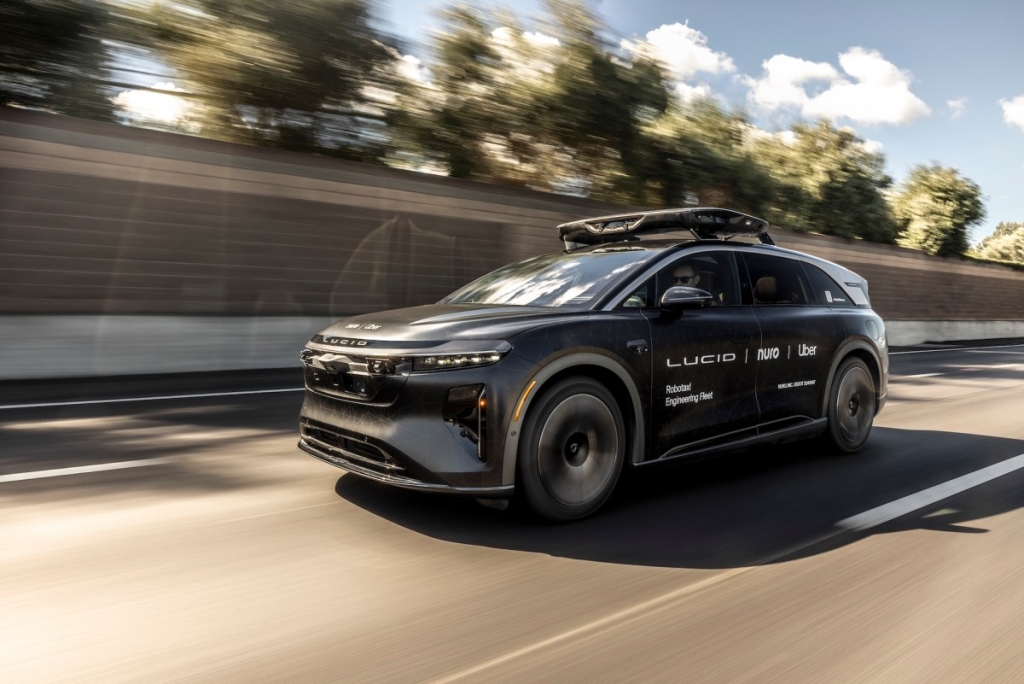
The investment portfolio reads like a who’s who of autonomous innovation: multi-million dollar stakes in Lucid and Nuro for robotaxi services, a billion-dollar investment in Waabi to expand into robotaxis, and $100 million poured into China’s WeRide to fuel robotaxi expansion across 15 additional cities. Uber has even ventured into building fast-charging, autonomous-vehicle charging stations and launched Uber AV Labs, a specialized engineering team dedicated to gathering driving data for robotaxi partners.
The Master Plan: Make Uber Indispensable
“What’s going to determine the success or failure of autonomous in the world is whether it can be commercialized, and Uber is going to be the thing that makes autonomy commercially viable,” declared Uber President and COO Andrew MacDonald, cutting straight to the heart of the matter.
The strategy is brilliantly simple yet potentially transformative: Uber wants to handle everything that autonomous vehicle companies struggle with, allowing them to focus purely on perfecting their self-driving technology. This includes demand generation, rider experience, customer support, and critically, day-to-day fleet operations management.
Sarfraz Maredia, Uber’s global head of autonomous mobility and delivery who will lead this initiative, articulated the vision clearly: “AV tech teams should be able to focus on what they do best: building software that can safely power an autonomous world.” The goal is to add “operational depth wherever they need it.”
The Full-Service Autonomous Package
Uber’s new division isn’t offering piecemeal solutions—it’s presenting a comprehensive suite of services that could make it the Microsoft Windows of the autonomous vehicle world:
Infrastructure Excellence: Uber is tackling the unglamorous but essential backend work, including training data collection, high-definition mapping, fleet financing, and regulatory compliance. The company is deploying specially equipped Lucid vehicles to collect real-world data that can be shared with partners, helping them train their AI systems more effectively.
User Experience Mastery: From seamless rider interfaces to 24/7 customer support, Uber brings decades of experience in managing millions of daily interactions between transportation services and consumers.
Fleet Management Revolution: This is where things get particularly interesting. Uber wants to take over the complex logistics of managing autonomous vehicle fleets, including remote assistance capabilities—a hot-button issue that recently caught federal lawmakers’ attention regarding Waymo’s use of overseas workers. The management umbrella extends to insurance coverage and employing the human support staff who’ll assist AVs when they encounter edge cases in the real world.
Venue Navigation Expertise: Uber is positioning itself as the expert in helping autonomous vehicles navigate complex environments like airports, stadiums, and special events—scenarios that have historically challenged even the most advanced self-driving systems.
The Numbers Game: Scale and Speed
Uber isn’t just talking about incremental improvements; they’re promising transformational results. The company aims to help partners scale robotaxi deployments to more than 15 cities by the end of this year alone. The pitch is straightforward: reduce your cost per mile and accelerate your time to market by leveraging Uber’s established infrastructure and expertise.
A Second Chance at Autonomous Glory
This initiative represents Uber’s phoenix-like rise from the ashes of its previous autonomous vehicle ambitions. In 2020, following two tumultuous years that included the tragic death of a pedestrian by one of its test vehicles, Uber sold its in-house autonomous vehicle development unit, Uber ATG, in a complex deal with Aurora Innovation.
Rather than retreating from the autonomous space, Uber pivoted to a partnership-heavy strategy. The results have been impressive: robotaxi services operating in Atlanta and Austin through partnerships with Waymo, collaborations with Chinese tech giants Baidu, Momenta, and Pony.ai, and agreements with sidewalk delivery innovators like Cartken, Starship, and Serve.
The company has even secured a deal with Volkswagen to launch a robotaxi service in Los Angeles by the end of 2026, though the vehicles won’t be fully driverless until 2027—a realistic timeline that acknowledges the current limitations of autonomous technology.
Existential Strategy Meets Opportunistic Vision
Uber’s move is both defensive and offensive. On the defensive side, the company recognizes that if autonomous vehicle companies successfully erode the ride-hailing and food delivery business currently powered by human drivers, Uber needs to maintain its relevance and revenue streams. By becoming the essential infrastructure provider for these companies, Uber ensures it remains central to the transportation ecosystem regardless of who’s actually driving (or not driving) the vehicles.
On the offensive side, Uber is positioning itself to capture value from every autonomous mile driven, regardless of which company’s technology is behind the wheel. It’s a classic platform play: own the infrastructure, let others innovate on top of it, and collect the tolls.
The Road Ahead
The autonomous vehicle industry has been marked by overpromising and underdelivering for years. Companies have struggled with the dual challenge of perfecting the technology while simultaneously figuring out how to operate it profitably at scale. Uber’s new division represents a recognition that maybe the winning formula isn’t building everything in-house, but rather creating an ecosystem where specialized players can excel in their core competencies while relying on a trusted partner for everything else.
Whether this strategy will succeed remains to be seen, but one thing is clear: Uber isn’t waiting on the sidelines anymore. They’re building the scaffolding that could support the entire autonomous vehicle industry, and in doing so, they might just ensure their own survival and prosperity in a driverless future.
Tags: Uber Autonomous Solutions, robotaxi revolution, self-driving future, autonomous vehicle ecosystem, Uber AV Labs, fleet management automation, autonomous infrastructure, driverless transportation, Uber-Waymo partnership, autonomous mobility, robotaxi scaling, AV data collection, remote assistance technology, autonomous vehicle commercialization, Uber’s autonomous strategy
Viral Sentences:
- Uber just became the operating system for the self-driving revolution
- The company that killed its own self-driving division is now building the backbone for everyone else’s
- Uber’s new plan: Let others build the cars, we’ll build the entire transportation universe around them
- From ride-hailing to ride-shaping: Uber’s master plan for autonomous domination
- The autonomous vehicle industry’s secret weapon? It might be Uber’s infrastructure play
- Uber’s pivot from driver to platform could save them from the autonomous apocalypse
- Why build one robotaxi when you can power all of them?
- Uber’s $100 million bet on charging stations could be the key to autonomous scaling
- The company that learned from its mistakes is now teaching everyone else how to succeed
- Uber’s new division could make them the Microsoft of the self-driving world
,


Leave a Reply
Want to join the discussion?Feel free to contribute!