
Why 2022 Isn’t The Best Model Year For Car Quality, According To JD Power
Why 2022 Was the Worst Model Year for Car Quality, According to JD Power
If you bought a brand-new car in 2022, you might have noticed more issues than expected—and you’re not alone. According to JD Power’s latest Vehicle Dependability Study, 2022 model-year vehicles have the highest number of reported problems since 2009, making it the worst model year for car quality in over a decade.
A Perfect Storm of Disruptions
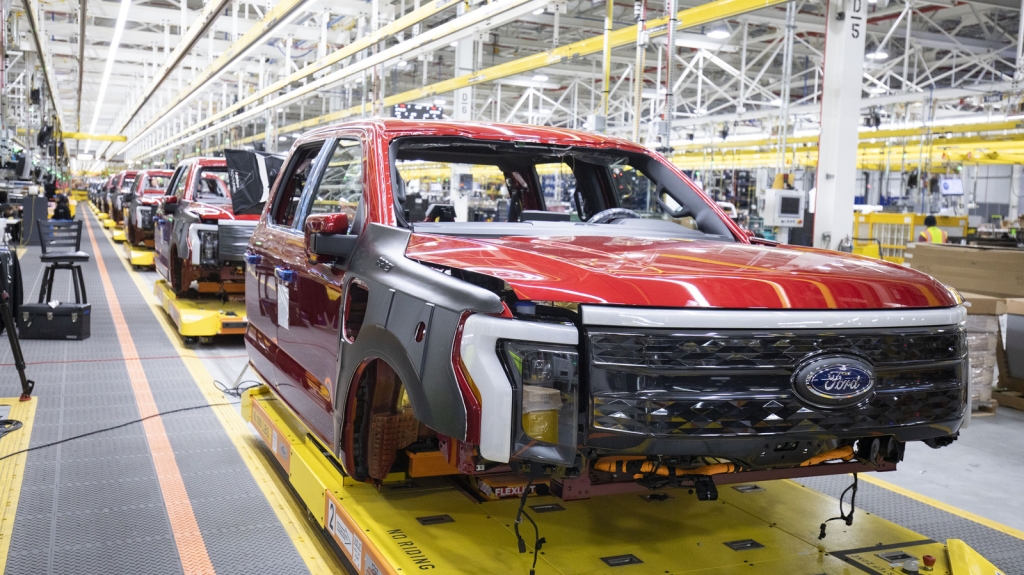
The 2022 model year fell directly in the middle of the COVID-19 pandemic’s most disruptive years for the automotive industry. Factory shutdowns, supply chain shortages, and production delays created a perfect storm that affected the quality of vehicles rolling off assembly lines. JD Power’s research points to these pandemic-era disruptions as the primary culprits behind the spike in reported issues.
Unlike individual brand or model rankings, where unique causes might explain quality problems, this industry-wide decline suggests a systemic issue. The semiconductor shortage, in particular, hit automakers hard, forcing factories to operate at reduced capacity or shut down entirely. This led to rushed production schedules and, ultimately, compromised quality control.
The Rush to Meet Demand
Despite the ongoing disruptions, consumer demand for vehicles remained high in the early 2020s. With limited inventory, dealers piled on heavy markups, and factories rushed to deliver cars to empty lots. This pressure to produce quickly likely contributed to the higher number of problems reported in 2022 model-year vehicles.
The out-of-whack demand and supply ratio meant that quality often took a backseat to quantity. Automakers were under immense pressure to keep up with orders, leading to shortcuts in production and quality control processes.
Lingering Effects
The issues with 2022 model-year vehicles were not unexpected. JD Power’s Initial Quality Study from 2022 already flagged these vehicles for having more problems than usual. As these cars have aged, the issues have persisted, confirming the initial concerns.
Interestingly, many of the reported problems were related to software and smartphone integration—annoying but not critical to the vehicle’s core functionality. On a positive note, hybrid vehicles outperformed both electric and internal combustion engine (ICE) vehicles in terms of reliability for the 2022 model year.
Moving Forward
While the auto industry has largely recovered from the pandemic’s most severe disruptions, the effects of those turbulent years continue to linger. Today, new car supply is back to normal, and discounts are becoming commonplace again. However, the JD Power data serves as a reminder that the ripple effects of 2022’s challenges will be felt for years to come.
If you own a 2022 model-year vehicle, there’s no need to panic. While you might encounter more issues than expected, most are minor and related to infotainment systems rather than critical mechanical failures. As the industry moves forward, automakers are likely to implement stricter quality control measures to prevent a repeat of 2022’s shortcomings.
Tags:
2022 car quality, JD Power study, pandemic car issues, semiconductor shortage, vehicle dependability, hybrid reliability, automotive industry disruptions, software problems, new car quality, 2022 model year problems
Viral Phrases:
“Worst car quality in a decade,” “Pandemic-era production chaos,” “2022 model year nightmare,” “Hybrid vehicles shine,” “Software glitches galore,” “Rushed production, rushed problems,” “Lingering effects of 2022,” “Automakers under pressure,” “Quality vs. quantity in 2022,” “The year cars fell apart”
,


Leave a Reply
Want to join the discussion?Feel free to contribute!