
A cash bounty is daring hackers to stop Ring cameras from sharing data with Amazon
Ring Camera Owners Could Earn $10K to Break Free from Amazon’s Data Grip
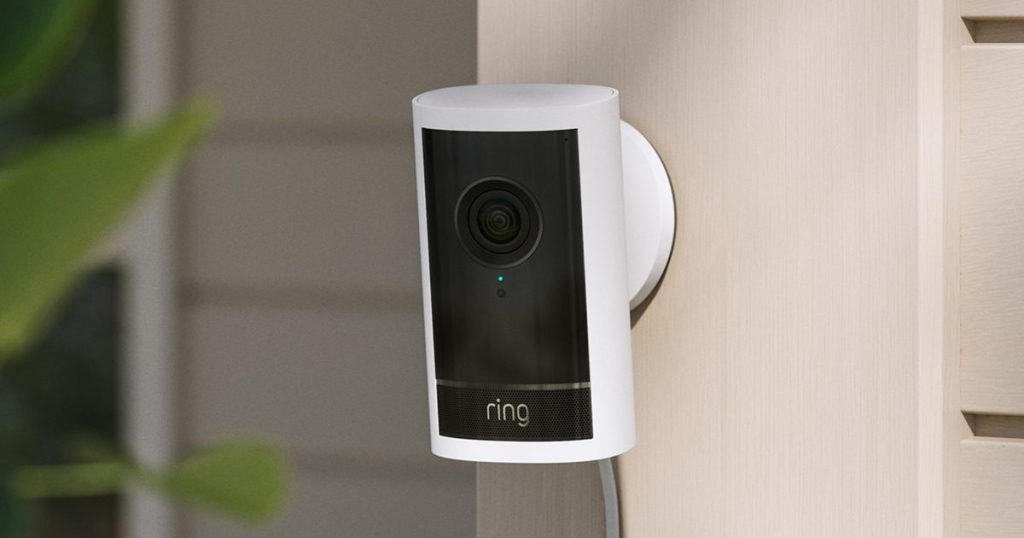
In a bold move that could reshape the future of home security, the Fulu Foundation has launched a groundbreaking bounty challenge offering at least $10,000 to anyone who can liberate Ring cameras from Amazon’s data ecosystem. The initiative isn’t about breaking into devices for malicious purposes—it’s about returning control to the people who already own these cameras installed in their homes.
The challenge specifically targets Ring’s video doorbell cameras, which are deeply integrated with Amazon’s cloud services. Participants are tasked with finding a way to prevent these devices from sending data back to Amazon servers while keeping the cameras fully functional. This means maintaining essential features like motion detection and night vision, but cutting off the constant stream of information flowing to corporate servers.
Kevin O’Reilly, cofounder of Fulu, explained the motivation behind the bounty to Wired: “People who install security cameras are looking for more security, not less. At the end of the day, control is at the heart of security. If we don’t control our data, we don’t control our devices.”
The Technical Challenge: What Hackers Are Being Asked to Do
The bounty, available through Fulu’s website, requires participants to modify Ring cameras so they operate locally without Amazon data sharing. The solution must be practical—relying on readily available and inexpensive tools—and simple enough that a moderately technical user could complete the modification in under an hour.
The technical requirements are stringent: the modified camera must block all data transmission to Amazon servers while preserving core functionality. This includes maintaining motion detection, night vision, and other essential security features that users depend on. The winner will have the choice to publish their methods or keep them private, acknowledging the potential legal risks under Section 1201 of the Digital Millennium Copyright Act, which restricts circumventing digital locks.
Why Ring Cameras Are Under Fire
The bounty comes amid growing concerns about Ring’s expanding surveillance capabilities. Recent features like Search Party, which allows anyone using the Neighbors app to help locate lost pets and items through nearby cameras, have raised eyebrows among privacy advocates. Critics argue that personal security devices are quietly being transformed into components of a massive surveillance network.
Ring’s ambitions have become increasingly clear. CEO Jamie Siminoff has spoken about using the company’s massive camera network to “zero out crime,” positioning the platform as a tool for large-scale crime prevention rather than just personal safety. This vision has alarmed privacy advocates who worry about the implications of millions of connected cameras feeding into a centralized system.
The Broader Privacy Context
The concerns about Ring exist against a backdrop of broader skepticism toward Amazon’s data practices. A previous Wired investigation revealed internal warnings about weak data safeguards, deepening public concern over potential data misuse. Recent reports have added to these worries, including findings that Ring’s Android app allows undisclosed third parties to track users and that the company’s technology could potentially turn every walk past a Ring camera into a biometric scan.
The bounty challenge represents more than just a technical exercise—it’s a statement about consumer rights in an increasingly connected world. As smart home devices become more prevalent, the question of who controls the data they collect becomes increasingly critical. The Fulu Foundation’s initiative suggests that many consumers are ready to reclaim that control, even if it means modifying their own devices.
Whether the bounty succeeds or not, it highlights a growing demand for transparency and autonomy in connected home devices. Meanwhile, for those who prefer not to modify their devices, Ring does allow users to opt out of certain features, including the Search Party functionality.
This challenge could mark the beginning of a new era where consumers demand more control over their smart home devices, potentially forcing manufacturers to reconsider how deeply they integrate their products with cloud services and data collection practices.
Tags: #RingCamera #PrivacyBounty #SmartHomeSecurity #AmazonData #FuluFoundation #DigitalRights #HomeSurveillance #TechPrivacy #RingDoorbell #DataControl #CybersecurityChallenge #ConsumerRights #SmartHome #PrivacyMatters #TechNews
Viral Phrases: “Break free from Big Tech’s grip,” “Take back control of your security cameras,” “The $10,000 privacy challenge that could change everything,” “Why your Ring camera might be spying on you more than you think,” “The tech rebellion starts here,” “Privacy isn’t dead—it just needs a little hacking,” “Smart home or surveillance state? You decide,” “The bounty that could make Ring cameras truly yours again,” “When your doorbell becomes a data goldmine,” “The ultimate power move against corporate surveillance”
,


Leave a Reply
Want to join the discussion?Feel free to contribute!