
Take a peek into Apple's efforts to bring Mac mini assembly and chip fabrication stateside
Apple is making a bold push to bring more of its manufacturing footprint back to American soil, a move that has been years in the making but is still in its early stages. The tech giant, known for its global supply chain dominance, is now investing heavily in domestic production, including advanced chip fabrication and even Mac mini assembly. But while the vision is ambitious, the reality is that shifting a complex, worldwide manufacturing network is no small feat.
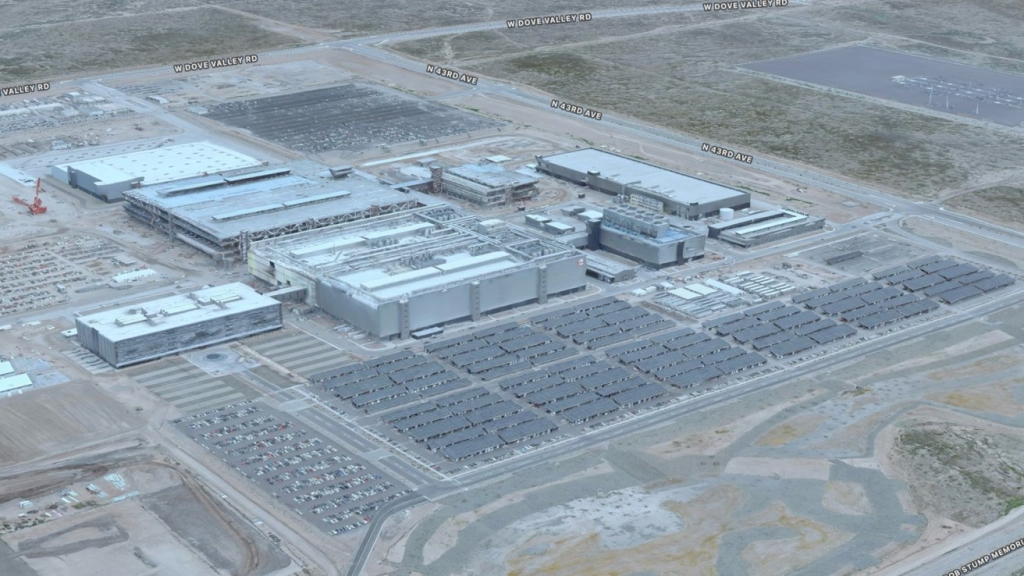
The Wall Street Journal recently gained exclusive access to several key facilities across the United States, offering a rare glimpse into Apple’s efforts to repatriate its supply chain. Among the highlights was a tour of TSMC’s sprawling semiconductor fabrication plants near Phoenix, Arizona. These facilities, which are still under construction, represent a cornerstone of Apple’s strategy to reduce its reliance on overseas chip production. TSMC, Apple’s primary chip supplier, is building multiple fabs in the region, with the first expected to begin mass production of advanced 4-nanometer chips in the coming years.
Apple’s Chief Operating Officer, Sabih Khan, was among the executives who visited the TSMC Arizona site. Khan, who has been instrumental in reshaping Apple’s supply chain strategy, emphasized the importance of bringing cutting-edge semiconductor manufacturing to the U.S. “This is about building resilience and ensuring we have the capacity to meet the demands of our products,” Khan told the Journal. “It’s a long-term investment in American innovation and workforce development.”
But chip fabrication is just one piece of the puzzle. Apple is also exploring ways to assemble more of its products domestically. The company recently opened a facility in Houston, Texas, where Foxconn—one of Apple’s longtime manufacturing partners—is assembling Mac minis. This marks a significant milestone, as it’s the first time in years that a major Apple product has been assembled in the U.S. The Houston facility, which employs hundreds of workers, is expected to ramp up production in the coming months.
Despite these efforts, Apple’s U.S. manufacturing ambitions face significant challenges. The global supply chain, which has been honed over decades, is deeply entrenched and highly efficient. Shifting even a fraction of that capacity to the U.S. requires massive investments in infrastructure, workforce training, and logistics. Apple has pledged $600 billion in U.S. investments over the next five years, but industry experts caution that this is just a drop in the bucket compared to the scale of global operations.
One of the biggest hurdles is the shortage of skilled labor in the U.S. Semiconductor manufacturing, in particular, requires highly specialized expertise that is currently concentrated in Asia. To address this, Apple and its partners are working with universities and technical schools to develop training programs aimed at building a domestic workforce capable of supporting advanced manufacturing.
Another challenge is the cost. Producing goods in the U.S. is significantly more expensive than in countries like China, where labor and operational costs are lower. Apple has acknowledged this reality but argues that the benefits—such as reduced supply chain risks, faster innovation cycles, and stronger ties to American consumers—outweigh the costs.
The push to bring manufacturing back to the U.S. is also being driven by geopolitical factors. The ongoing trade tensions between the U.S. and China have highlighted the vulnerabilities of relying too heavily on a single region for critical components. By diversifying its supply chain, Apple aims to insulate itself from potential disruptions and ensure a more stable production pipeline.
While Apple’s efforts are still in their infancy, they represent a significant shift in the tech industry’s approach to manufacturing. Other companies, including Google, Microsoft, and Amazon, are also exploring ways to bring more of their operations stateside. If successful, Apple’s initiatives could serve as a blueprint for how global corporations can balance efficiency with resilience in an increasingly uncertain world.
For now, though, the road ahead is long and complex. Apple’s U.S. manufacturing push is a testament to the company’s commitment to innovation and its belief in the potential of American industry. But as the tech giant continues to navigate the challenges of reshoring, one thing is clear: the future of Apple’s supply chain will be shaped as much by patience and persistence as by technology and investment.
Tags & Viral Phrases:
- Apple manufacturing in the USA
- TSMC Arizona chip fabs
- Mac mini assembly in Texas
- Apple’s $600 billion U.S. investment
- Reshoring tech supply chains
- Sabih Khan Apple COO
- U.S. semiconductor workforce development
- Apple’s push for domestic production
- Foxconn Houston facility
- Apple’s supply chain resilience
- Geopolitical impact on tech manufacturing
- Apple’s long-term U.S. strategy
- Challenges of reshoring electronics
- Apple’s innovation in American industry
- Future of Apple’s supply chain
,


Leave a Reply
Want to join the discussion?Feel free to contribute!