
North Korean Lazarus group linked to Medusa ransomware attacks
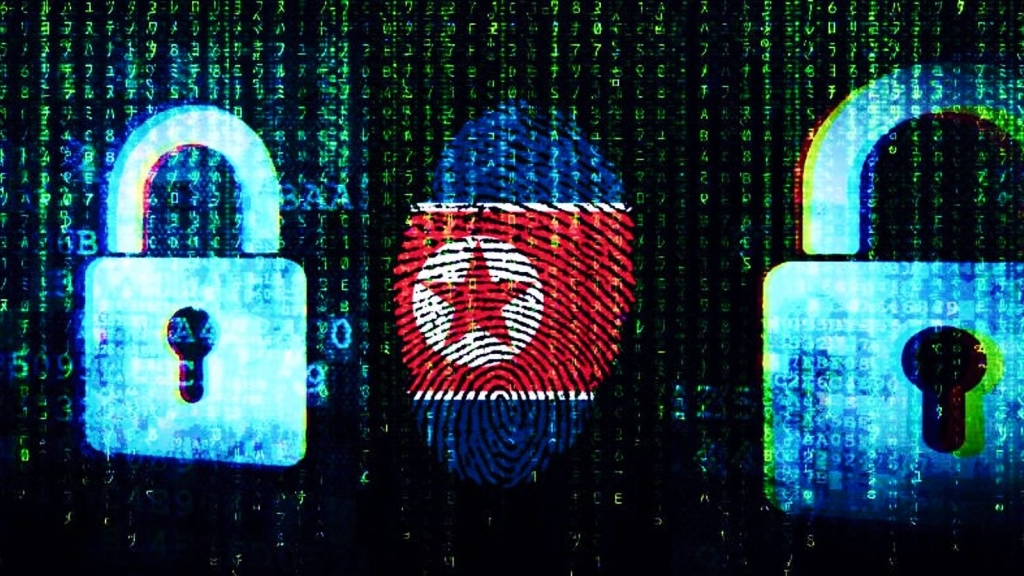
North Korean Hackers Unleash Medusa Ransomware on U.S. Healthcare: Lazarus Group’s New Cyber Extortion Campaign
In a chilling escalation of state-sponsored cybercrime, North Korean hackers linked to the infamous Lazarus Group have been caught deploying the Medusa ransomware against U.S. healthcare organizations in a brazen series of financially motivated attacks. This marks the first time the notorious North Korean threat actor has been publicly associated with the Medusa ransomware-as-a-service (RaaS) operation, signaling a dangerous new chapter in global cyber warfare.
Medusa Ransomware: From January 2021 to a Global Menace
Medusa ransomware first emerged on the cybercrime scene in January 2021, quickly evolving into a formidable threat. By February 2025, the U.S. Cybersecurity and Infrastructure Security Agency (CISA) reported that Medusa had impacted over 300 organizations across critical infrastructure sectors. Since then, the gang has claimed at least another 80 victims, with no signs of slowing down.
Lazarus Group’s Expanding Ransomware Arsenal
North Korean state-backed hackers have a well-documented history of leveraging ransomware for financial gain. In recent years, they have been linked to multiple ransomware strains, including HolyGhost, PLAY, Maui, and Qilin, as well as other malware families. However, the use of Medusa represents a significant shift in their tactics.
According to a detailed report from enterprise cybersecurity firm Symantec, a Lazarus subgroup—possibly the Andariel/Stonefly cluster—is now using Medusa to target U.S. healthcare providers. The attacks are part of a broader campaign aimed at extorting money from vulnerable organizations, with ransom demands sometimes reaching as high as $15 million. However, the average ransom payment hovers around $260,000.
A Sophisticated Toolkit with North Korean Fingerprints
The Medusa ransomware attacks attributed to Lazarus showcase a sophisticated blend of custom and commodity tools. Symantec’s analysis reveals that the attackers employed a mix of Diamond Sleet-linked utilities and widely available hacking tools, including:
- Comebacker: A backdoor/loader associated with Diamond Sleet, previously used by the group.
- Blindingcan: A remote access trojan (RAT).
- ChromeStealer: A tool for extracting credentials from Google Chrome.
- Infohook: An information stealer.
- Mimikatz: A well-known credential dumping tool.
- RP_Proxy: A custom proxy tool.
- Curl: A data transfer utility.
The use of these tools underscores the attackers’ technical sophistication and their willingness to exploit any vulnerability to achieve their objectives.
Healthcare in the Crosshairs
Symantec’s report highlights a disturbing trend: North Korean hackers are increasingly targeting healthcare organizations, a sector traditionally considered off-limits by many cybercrime groups due to the potential for reputational damage. Since the beginning of November 2025, Medusa has claimed at least four U.S. healthcare and non-profit victims, including an educational facility for autistic children.
This targeting of healthcare is particularly alarming given the critical nature of these services. Disruptions to healthcare operations can have life-or-death consequences, making these organizations especially vulnerable to extortion.
Funding Espionage and Geopolitical Ambitions
The stolen funds from these ransomware attacks are not merely lining the pockets of cybercriminals. Symantec warns that the money is being funneled to support North Korea’s broader espionage operations against entities in the defense, technology, and government sectors in the U.S., Taiwan, and South Korea. This underscores the dual-use nature of cybercrime as both a revenue stream and a tool for advancing state interests.
Indicators of Compromise and Mitigation
Symantec has provided a comprehensive set of indicators of compromise (IoCs) in its report, including network infrastructure data and malware hashes. Organizations are urged to review these IoCs and implement robust cybersecurity measures to defend against Medusa and other ransomware threats.
Conclusion: A Wake-Up Call for Global Cybersecurity
The emergence of Medusa ransomware as a tool for North Korean state-sponsored hackers is a stark reminder of the evolving nature of cyber threats. As these actors continue to refine their tactics and expand their targets, the need for vigilance, collaboration, and innovation in cybersecurity has never been greater. The healthcare sector, in particular, must prioritize resilience and preparedness to withstand these increasingly sophisticated attacks.
Tags: #MedusaRansomware #LazarusGroup #NorthKoreanHackers #CyberCrime #HealthcareSecurity #RansomwareAttack #StateSponsoredHacking #CybersecurityThreat #Symantec #CISA #Andariel #DiamondSleet #Espionage #CriticalInfrastructure #DataBreach #CyberWarfare #TechNews #BreakingNews
Viral Sentences:
- “North Korean hackers are now targeting U.S. healthcare with Medusa ransomware—no sector is safe!”
- “Lazarus Group’s new ransomware campaign: $15 million ransoms and no mercy for healthcare.”
- “Medusa ransomware: The state-sponsored tool fueling North Korea’s espionage machine.”
- “Healthcare under siege: North Korean hackers exploit vulnerabilities for financial and geopolitical gain.”
- “From HolyGhost to Medusa: North Korea’s expanding ransomware arsenal.”
- “Symantec uncovers Lazarus Group’s latest cyber extortion campaign—healthcare in the crosshairs.”
- “The rise of Medusa: How North Korean hackers are rewriting the rules of cybercrime.”
- “Critical infrastructure at risk: Medusa ransomware claims 300+ victims and counting.”
- “North Korea’s cyber army: Funding espionage with healthcare ransomware attacks.”
- “Medusa ransomware: A wake-up call for global cybersecurity resilience.”
,

Leave a Reply
Want to join the discussion?Feel free to contribute!