
Talent key constraint for Irish firms, as AI prompts job redesign
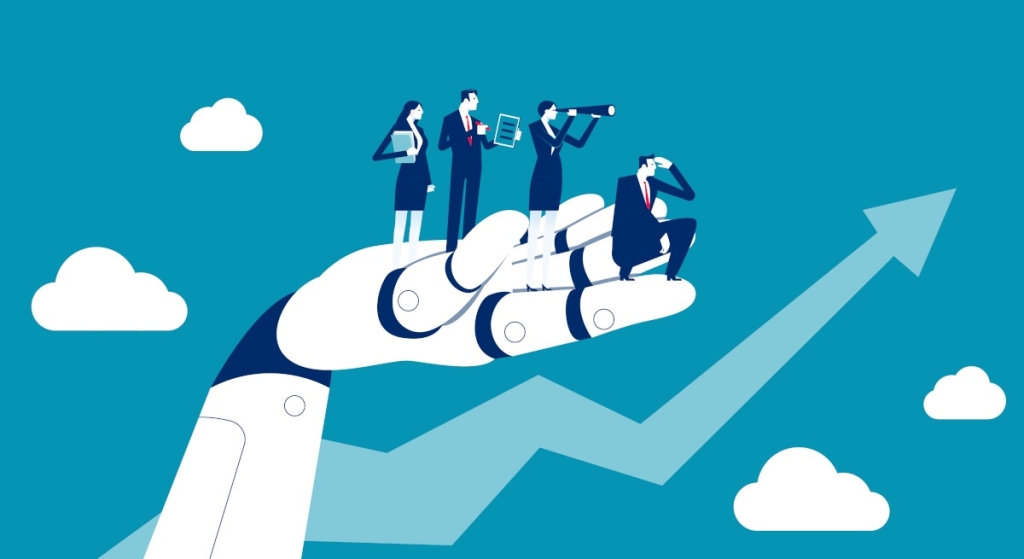
AI’s Silent Revolution: How Workplaces Are Being Completely Rewired—And Why Most Leaders Are Terrified
The AI revolution isn’t coming—it’s already here, and it’s fundamentally rewiring how we work, who we hire, and what skills actually matter in 2026.
Deloitte’s latest bombshell report, The State of AI in the Enterprise, the Untapped Edge 2026, surveyed 3,235 directors and C-suite leaders across 24 countries, including 50 executives in Ireland, and the findings are nothing short of seismic.
The Skills Gap Has Become AI’s Biggest Roadblock
Forget infrastructure or budget constraints—talent has emerged as the single biggest barrier to AI adoption. A staggering 84% of Irish leaders identified the skills gap as their primary obstacle to traditional AI implementation.
“We’re seeing organizations move from experimentation to full deployment at breakneck speed,” explains Emmanuel Adeleke, partner of technology and transformation at Deloitte. “But they’re hitting a wall: they simply don’t have the people who know how to make it work.”
Job Redesign Is No Longer Optional—It’s Already Happening
Here’s where it gets real: 90% of organizations report moderate to extensive job redesign is already underway as AI becomes embedded in enterprise operations. This isn’t a future prediction—it’s happening right now in boardrooms and breakrooms across the globe.
The response? A massive pivot toward human-AI collaboration. Nearly 60% of organizations are actively hiring specialist talent to fill critical data-related skills gaps. But hiring alone isn’t enough—66% are investing heavily in upskilling and reskilling programs, while 54% are targeting specialist AI talent recruitment, and 48% are rolling out broader workforce education initiatives to boost AI fluency.
The Sovereignty Question: Who Really Controls Your AI?
While everyone’s focused on the productivity gains, a more insidious concern is brewing beneath the surface: data sovereignty.
In Ireland, 84% of responding leaders revealed that more than one-fifth of their AI tech stack is owned or controlled by foreign vendors. Nearly half have over 40% foreign ownership in their AI infrastructure.
The anxiety is palpable. A full 80% of Irish participants expressed “at least moderate concern” about dependence on foreign-owned AI technology, with nearly one-third (32%) reporting they’re “very or extremely concerned.”
The Compliance Minefield
It’s not just about who owns the tech—it’s about what happens to your data. Organizations are grappling with profound concerns around the use of proprietary or sensitive data in AI models, alongside fears about legal, IP, and regulatory compliance (64%). The workforce impact looms large too, with 42% expressing concern about how AI will reshape employment itself.
“The findings suggest that while Ireland remains deeply integrated into global AI ecosystems—a natural position for a small open economy—business leaders are increasingly alert to questions on jurisdiction, regulatory exposure, and geopolitical resilience,” the report notes.
The Cloud Strategy Reset
This sovereignty panic is already reshaping cloud strategies. Kyndryl Ireland’s Des Ryan recently told SiliconRepublic.com that “digital sovereignty has moved from a regional compliance issue to a global strategic concern.”
According to Kyndryl’s Cloud Readiness report, three-quarters of business leaders are concerned about geopolitical risks linked to global cloud environments. Organizations are fundamentally reassessing where data lives, how it’s accessed, and who controls it.
The Bottom Line: Adapt or Die
What emerges from Deloitte’s research is crystal clear: organizations that invest in reskilling, workforce confidence, and human-AI collaboration will be the ones that transform productivity gains into lasting competitive advantage.
“The talent agenda has become the critical success factor in the AI era,” Adeleke emphasizes. “AI is reshaping jobs, and those who recognize this shift earliest will define the future of work.”
The AI revolution isn’t about replacing humans—it’s about redesigning work itself. And every day that organizations delay addressing their skills gaps and sovereignty concerns, they’re falling further behind in what’s becoming the most consequential technological transformation of our lifetimes.
AI #FutureOfWork #SkillsGap #AITalent #DigitalTransformation #WorkforceReskilling #DataSovereignty #AIEthics #TechLeadership #BusinessStrategy #AIRevolution #JobRedesign #HumanAICollaboration #EnterpriseAI #TechnologyTrends #DigitalSovereignty #AICompliance #Upskilling #Reskilling #AIAdoption #GeopoliticalRisk #CloudStrategy #AITalentWar #FutureSkills #DigitalTransformation2026
,


Leave a Reply
Want to join the discussion?Feel free to contribute!