
The Download: Radioactive rhinos, and the rise and rise of peptides
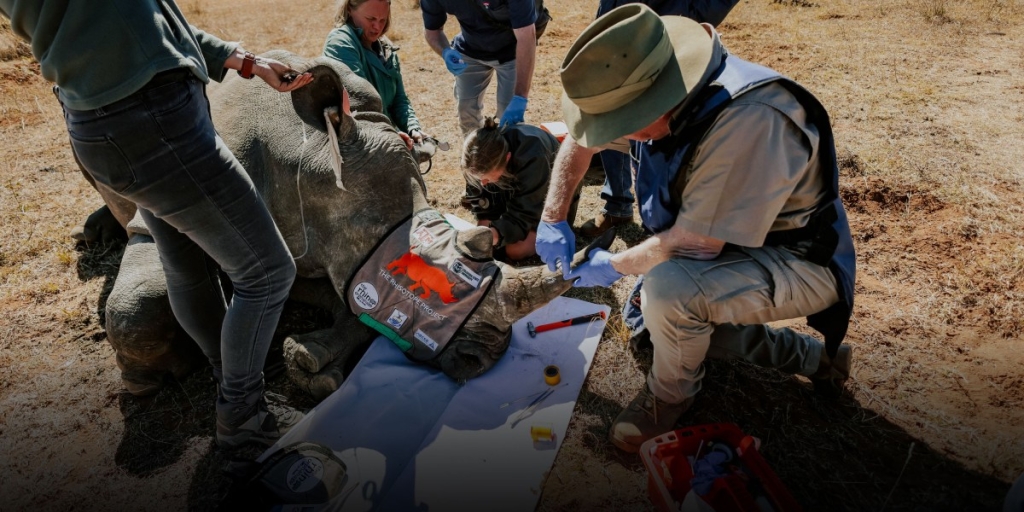
Every year, poachers shoot hundreds of rhinos, fishing crews haul millions of sharks out of protected seas, and smugglers carry countless animals and plants across borders. This illegal activity is incredibly hard to disrupt, since it’s backed by sophisticated criminal networks and the perpetrators know that their chances of being caught are slim. With an annual value of $20 billion, according to Interpol, it’s the world’s fourth-most-lucrative criminal enterprise after trafficking in drugs, weapons, and people.
The environmental guardians facing up to these nefarious networks—dispersed alliances of rangers, community groups, and law enforcement officers—have long been ill equipped and underfunded.
Still, there is genuine hope that tech could help turn the tide—and prevent poaching at the source.
The High-Tech Fight Against Wildlife Crime: Can Innovation Save Endangered Species?
The numbers are staggering. Every year, hundreds of rhinos fall victim to poachers’ bullets, millions of sharks are illegally hauled from protected waters, and countless rare plants and animals are smuggled across international borders. This isn’t just environmental destruction—it’s a multibillion-dollar criminal enterprise that ranks as the world’s fourth-most-profitable illegal activity, trailing only drugs, weapons, and human trafficking according to Interpol’s estimates of $20 billion annually.
The criminals behind these operations aren’t desperate individuals acting alone. They’re sophisticated networks with resources, connections, and a deep understanding of how to evade detection. For the rangers, conservationists, and law enforcement officers trying to protect endangered species, the odds have historically been stacked against them. Underfunded, under-equipped, and often outmaneuvered, these environmental guardians have been fighting what seemed like an unwinnable war.
But now, technology is emerging as a potential game-changer in this David-versus-Goliath battle. Conservationists are increasingly turning to innovative solutions that could finally give them the upper hand in protecting the world’s most vulnerable species.
From Reactive to Proactive: The Tech Revolution in Conservation
For decades, wildlife protection has been largely reactive. Rangers would respond to poaching incidents after they occurred, collecting evidence and trying to track down perpetrators. By then, the damage was done—another rhino killed, another species pushed closer to extinction. The traditional approach has been like trying to stop a bank robbery after the vault has been emptied.
The new wave of conservation technology aims to prevent these crimes before they happen. Think of it as shifting from playing defense to playing offense in the fight against wildlife crime. This proactive approach could fundamentally change how we protect endangered species.
One of the most promising developments involves using advanced surveillance systems in protected areas. High-resolution cameras with artificial intelligence capabilities can now distinguish between animals and humans in real-time, alerting rangers to potential threats before poachers can strike. These aren’t your typical trail cameras—they’re sophisticated systems that can operate in remote locations for months, transmitting data via satellite connections.
Drones are another revolutionary tool in the conservation arsenal. Equipped with thermal imaging and night vision capabilities, these unmanned aircraft can patrol vast areas that would be impossible for ground teams to cover. They can spot campfires in restricted zones, track suspicious movements, and even follow poachers back to their bases. The cost of drone technology has plummeted in recent years, making these once-exotic tools increasingly accessible to conservation groups.
The Data Revolution: Predictive Policing for Wildlife Protection
Perhaps the most exciting frontier is the application of big data and predictive analytics to wildlife crime. Just as police departments use data to predict where crimes might occur in cities, conservationists are developing models to forecast poaching hotspots and smuggling routes.
These systems analyze countless variables: weather patterns that might affect poacher movements, historical poaching data, animal migration patterns, even social media activity that might indicate planned illegal activities. By crunching this data, conservationists can deploy their limited resources more effectively, positioning rangers and surveillance equipment where they’re most likely to be needed.
Machine learning algorithms are getting better at identifying patterns that humans might miss. They can spot subtle changes in animal behavior that might indicate poachers are nearby, or detect anomalies in shipping manifests that could signal wildlife smuggling. This intelligence advantage could be the key to finally gaining the upper hand against criminal networks.
The Power of Connectivity: Smart Parks and Real-Time Response
The concept of “smart parks” is gaining traction, where entire protected areas are equipped with interconnected sensors and monitoring systems. RFID tags on animals, seismic sensors that detect footsteps, and acoustic monitoring systems that can identify gunshots or chainsaw sounds all feed into centralized command centers.
When a potential threat is detected, the system can automatically alert nearby rangers with precise location data. This real-time response capability means that what once took hours or days to address can now be handled in minutes. It’s like giving conservation teams superpowers—the ability to be everywhere at once.
Satellite technology is also playing a crucial role. Real-time satellite monitoring can track vessel movements in protected marine areas, helping to catch illegal fishing operations. GPS tracking of animals provides data on their movements and can alert authorities if they stop moving unexpectedly—a potential sign of poaching.
The Human Element: Technology as a Force Multiplier
While technology offers incredible potential, conservationists emphasize that it’s not about replacing human rangers but empowering them. These tools are force multipliers, allowing small teams to protect much larger areas more effectively.
Community involvement remains crucial. Many successful conservation efforts involve local communities who have the most to lose from wildlife crime. Technology can help these communities participate more effectively in protection efforts, whether through smartphone apps that allow them to report suspicious activities or training programs that teach them to use surveillance equipment.
Challenges and Limitations: The Road Ahead
Despite the promise, significant challenges remain. Many of these technologies require reliable power sources and internet connectivity—luxuries that are often unavailable in remote conservation areas. The initial costs can be substantial, though proponents argue that the long-term savings in terms of prevented poaching more than justify the investment.
There’s also the challenge of keeping ahead of increasingly sophisticated criminal networks. As conservation technology advances, so too do the tools available to poachers and smugglers. It’s an arms race where the stakes are nothing less than the survival of endangered species.
Privacy concerns also need to be addressed. The same surveillance technologies that can protect wildlife could potentially be misused if they fall into the wrong hands. Clear guidelines and ethical frameworks are needed to ensure these powerful tools are used responsibly.
A Glimmer of Hope: Success Stories and Early Wins
Despite these challenges, there are already encouraging signs that technology is making a difference. In some African parks, the implementation of advanced surveillance systems has led to dramatic reductions in rhino poaching. Marine protected areas using satellite monitoring have seen significant decreases in illegal fishing activities.
These early successes suggest that the tide might finally be turning. When technology is combined with committed conservation efforts, adequate funding, and community support, the results can be transformative.
The fight against wildlife crime is far from over, but for the first time in decades, there’s genuine hope that technology could provide the breakthrough needed to protect endangered species. As these tools become more sophisticated and accessible, they could help ensure that future generations inherit a world where rhinos still roam free, sharks still patrol the oceans, and the illegal wildlife trade is nothing more than a dark chapter in history.
The convergence of conservation passion and technological innovation might just be the combination needed to win this critical battle for our planet’s biodiversity. In the high-stakes game of protecting endangered species, technology might finally be giving the good guys the edge they need.
Tags: wildlife crime, poaching technology, conservation tech, rhino protection, shark conservation, environmental crime, Interpol wildlife trafficking, smart parks, drone surveillance, AI conservation, predictive analytics wildlife, illegal wildlife trade, environmental guardians, poaching prevention, marine protection technology, community conservation, wildlife smuggling, endangered species protection, conservation innovation, tech for good
Viral Sentences: “Technology is giving conservation teams superpowers—the ability to be everywhere at once.” “The fight against wildlife crime is a multibillion-dollar battle that could determine which species survive the next century.” “Conservationists are shifting from playing defense to playing offense in the war against poachers.” “The same surveillance technologies protecting wildlife could potentially be misused if they fall into the wrong hands.” “When technology meets conservation passion, endangered species might finally get the protection they desperately need.” “The arms race between conservationists and poachers is being fought with drones, AI, and satellite technology.” “Local communities are becoming the eyes and ears of high-tech conservation efforts around the world.” “The $20 billion illegal wildlife trade ranks as the world’s fourth-most-profitable criminal enterprise.” “Smart parks equipped with interconnected sensors are revolutionizing how we protect endangered species.” “Machine learning algorithms are spotting poaching patterns that human observers might miss.”
,


Leave a Reply
Want to join the discussion?Feel free to contribute!