
Self-driving tech startup Wayve raises $1.2B from Nvidia, Uber, and three automakers
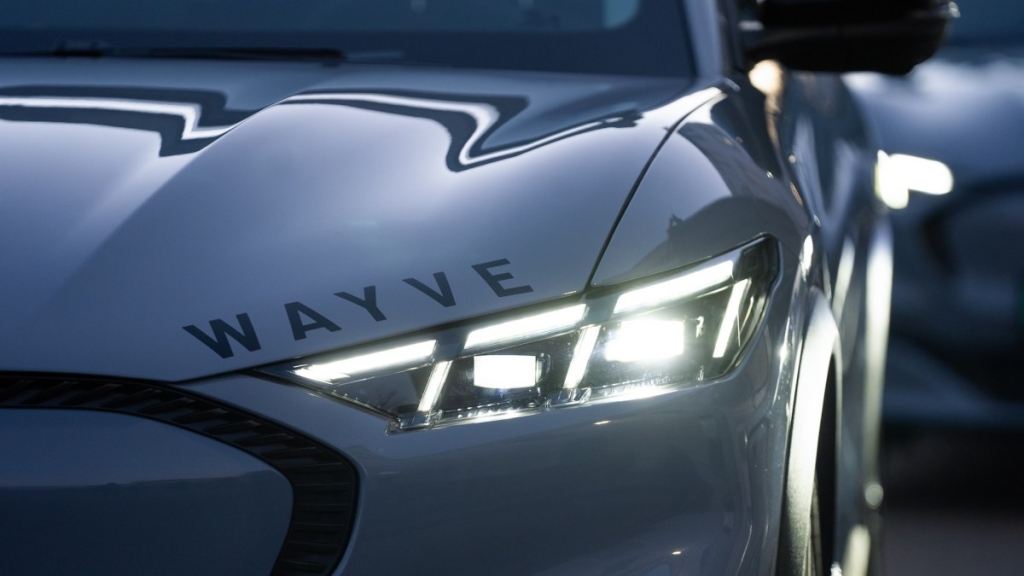
Wayve, the U.K.-based autonomous driving pioneer, just pulled off a blockbuster $1.2 billion funding round that has sent shockwaves through the tech and automotive worlds. The massive raise, which could climb to $1.5 billion with an additional $300 million from Uber tied to future robotaxi deployments in London, values the company at a staggering $8.6 billion. This isn’t just another funding announcement—it’s a bold statement about where the future of self-driving technology is headed.
What makes this round particularly noteworthy is the eclectic mix of investors backing Wayve. The roster includes three major automakers—Nissan, Mercedes-Benz, and Stellantis—alongside heavyweight venture firms like Eclipse, Balderton, and SoftBank Vision Fund 2. Tech giants Microsoft, Nvidia, and Uber also returned as investors, underscoring the broad industry belief in Wayve’s unique approach to autonomous driving.
At the heart of Wayve’s strategy is what founder and CEO Alex Kendall calls a “contrarian” vision. While many self-driving companies rely on highly detailed 3D maps and custom sensor suites, Wayve has bet big on end-to-end deep learning. Its software uses a neural network that learns to drive by processing real-world data, without the need for HD maps or specialized hardware. This data-driven, adaptable approach allows Wayve’s technology to work across different vehicle platforms and environments—a flexibility Kendall believes is key to scaling autonomous driving globally.
Wayve’s business model is just as unconventional. Rather than building its own vehicles or operating robotaxi fleets like Waymo, the company positions itself as a neutral AI provider, licensing its “embodied AI” to automakers and mobility platforms like Uber. This means its software can run on existing vehicle hardware, making it an attractive option for companies that want to add self-driving capabilities without overhauling their entire tech stack.
The partnership with Uber is especially significant. The ride-hailing giant plans to launch commercial trials with Wayve’s software later this year, with ambitions to deploy the technology in more than 10 markets worldwide. Uber CEO Dara Khosrowshahi praised Wayve’s “end-to-end approach” as being “purpose-built for scale, safety, and effectiveness,” hinting at a deep, long-term collaboration.
Nissan, another Wayve partner, will integrate the startup’s self-driving software into its vehicles starting in 2027, enhancing its advanced driver-assistance systems. This kind of automaker adoption signals growing industry confidence in Wayve’s platform.
Nvidia’s involvement is also worth noting. The chipmaker has been closely tied to Wayve since 2018, and the startup’s latest platform leverages Nvidia’s Drive AGX Thor compute kit. This partnership highlights the importance of powerful onboard computing in making autonomous driving a reality.
Kendall’s vision is clear: by building AI that generalizes across different hardware and environments, Wayve can address the largest possible market. This agnostic approach sets it apart from competitors who are locked into specific sensor or mapping ecosystems.
The enthusiasm around this funding round reflects a broader trend: the race to commercialize autonomous driving is heating up, and investors are betting big on companies that can deliver scalable, adaptable solutions. With its unique technology and business model, Wayve is positioning itself as a major player in the next era of mobility.
As the autonomous driving industry accelerates toward widespread deployment, all eyes will be on Wayve to see if its contrarian approach can deliver on the promise of safer, smarter, and more accessible transportation.
#Wayve #AutonomousDriving #SelfDrivingCars #AI #TechFunding #Nvidia #Uber #Nissan #MercedesBenz #Stellantis #SoftBank #VentureCapital #FutureOfMobility #Robotaxis #DeepLearning #TechCrunch #Innovation #Mobility #AutomotiveTech #LondonTech
Wayve just raised $1.2 billion in a funding round that could reach $1.5 billion, valuing the company at $8.6 billion.
Investors include automakers Nissan, Mercedes-Benz, and Stellantis, plus tech giants Microsoft, Nvidia, and Uber.
Wayve’s “embodied AI” approach could revolutionize autonomous driving by working across different vehicles and environments.
Uber plans to launch commercial trials with Wayve’s software in over 10 markets worldwide.
Nissan will integrate Wayve’s self-driving tech into its cars starting in 2027.
Wayve’s end-to-end deep learning eliminates the need for HD maps or specialized sensors.
The funding round was led by Eclipse, Balderton, and SoftBank Vision Fund 2.
Nvidia’s involvement highlights the importance of powerful onboard computing for autonomous vehicles.
Wayve’s business model focuses on licensing AI to automakers rather than building its own vehicles or operating fleets.
The autonomous driving industry is rapidly commercializing, with investors betting big on scalable solutions.
Wayve’s technology is somewhat similar to Tesla’s approach but with a different business model.
The company’s software can run on whatever chip its OEM partners already use in their vehicles.
Wayve’s partnership with Uber could extend well beyond initial pilot programs.
The funding round attracted new investors like Ontario Teachers’ Pension Plan and Baillie Gifford.
Wayve’s Gen 3 platform uses Nvidia Drive AGX Thor for advanced autonomous driving features.
The startup’s contrarian approach could pay off as the industry moves toward commercialization.
Wayve’s AI learns to drive using real-world data, not pre-mapped environments.
The autonomous driving space is becoming increasingly competitive, with multiple players vying for dominance.
Wayve’s flexible, hardware-agnostic platform could make it a go-to solution for automakers worldwide.
The company’s success could accelerate the arrival of driverless cars on city streets and highways.,

Leave a Reply
Want to join the discussion?Feel free to contribute!