
New Research Targets the Root Cause of Chronic Nerve Pain – Not Just Symptoms
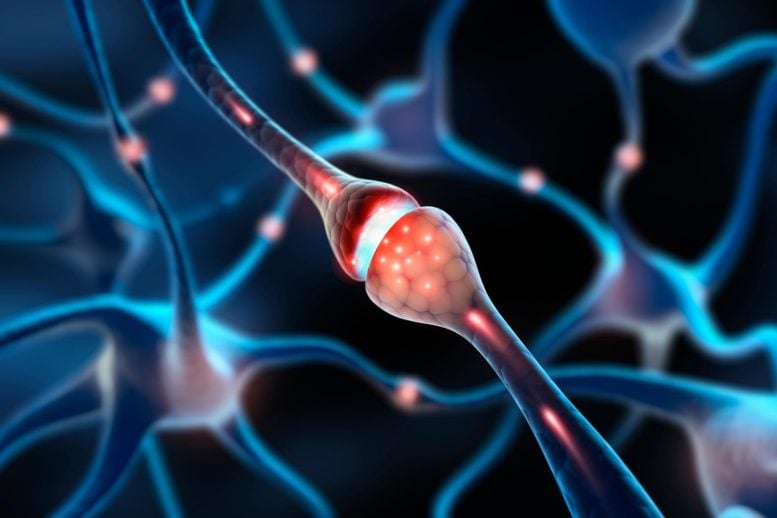
New Research Targets the Root Cause of Chronic Nerve Pain – Not Just Symptoms
For millions of people worldwide, chronic nerve pain is more than just an inconvenience—it’s a life-altering condition that can make even the lightest touch feel unbearable. Whether it’s the tingling, burning, or stabbing sensations that come with diabetic neuropathy or the lingering discomfort after chemotherapy, nerve pain can strip away the simple joys of daily life. Now, a groundbreaking study from Duke University offers new hope by targeting the underlying cause of this pain, not just its symptoms.
The Hidden Culprit: Mitochondrial Dysfunction
At the heart of this research is a surprising discovery: the root cause of chronic nerve pain may lie deep within the nerve cells themselves. Specifically, scientists have found that injured nerve cells often suffer from dysfunctional mitochondria—the tiny energy-producing structures that power every cell in our bodies. When mitochondria stop working efficiently, nerve cells can’t maintain their normal function, leading to the kind of persistent pain that millions endure.
This insight marks a significant shift in how we understand and approach chronic nerve pain. Rather than simply masking the pain with medications, researchers are now looking to repair the very machinery that keeps our nerves healthy.
A New Approach: Targeting Mitochondria
The Duke team, led by a group of dedicated neuroscientists, has been investigating ways to restore mitochondrial function in damaged nerves. Their approach focuses on delivering specialized compounds directly to the mitochondria, effectively “recharging” these cellular powerhouses. Early results in laboratory models have been promising, showing not only a reduction in pain but also improved nerve function and resilience.
This method could be a game-changer for people with conditions like diabetic neuropathy, where high blood sugar damages nerves over time, and for cancer survivors who suffer from chemotherapy-induced nerve pain. Both groups have long struggled with limited treatment options, often relying on medications that can have significant side effects or provide only partial relief.
Why This Matters Now
Chronic nerve pain affects an estimated 20 million people in the United States alone, with millions more worldwide. For many, the pain is so severe that it interferes with work, sleep, and relationships. Current treatments—ranging from over-the-counter pain relievers to powerful prescription drugs—often fall short, leaving patients searching for alternatives.
The Duke study, recently published in the prestigious journal Nature, represents a potential turning point. By addressing the underlying biological cause of nerve pain, this research opens the door to more effective, longer-lasting treatments. It also highlights the importance of continued investment in basic science, as today’s fundamental discoveries can become tomorrow’s life-changing therapies.
What’s Next?
While the findings are exciting, researchers caution that more work is needed before these treatments become widely available. Clinical trials in humans are the next step, and scientists are hopeful that this approach could be adapted to treat a range of nerve-related conditions, from injuries to degenerative diseases.
For now, the message is clear: the future of pain management may lie not in simply dulling the sensation, but in repairing the very cells that give rise to it. As this research progresses, millions of people living with chronic nerve pain may finally have reason to hope for a life with less pain and more possibility.
Tags & Viral Phrases:
- Chronic nerve pain breakthrough
- Mitochondrial dysfunction and pain
- Duke University nerve pain research
- New hope for diabetic neuropathy
- Chemotherapy-induced nerve pain relief
- Targeting the root cause of pain
- Cellular energy and nerve health
- Revolutionary pain management
- Science changing lives
- Millions may benefit from new treatment
- Pain relief without side effects
- Future of chronic pain therapy
- Hope for nerve pain sufferers
- Groundbreaking medical discovery
- Pain management revolution
,

Leave a Reply
Want to join the discussion?Feel free to contribute!