
Trinity’s maritime monitoring Sea-Scan team wins Defence Innovation Challenge
Trinity College Dublin’s Sea-Scan Team Wins Top Defence Innovation Prize for AI-Powered Maritime Surveillance
In a landmark achievement for Irish technological innovation, the Sea-Scan research team from Trinity College Dublin has been awarded the top prize in the Defence Innovation Challenge, securing over €1.8 million in funding for their groundbreaking AI-enhanced vessel detection system. This victory comes at a critical juncture when Ireland’s maritime security and subsea infrastructure protection have become paramount concerns.
The announcement was made today by James Lawless TD, Minister for Further and Higher Education, Research, Innovation and Science, and Helen McEntee TD, Minister for Defence, during a ceremony that highlighted the growing importance of maritime situational awareness in an increasingly complex security landscape.
The Sea-Scan project, led by Professor Marco Ruffini and Dr. John Kennedy from Trinity College Dublin in collaboration with Defence Forces Liaison Commander Cathal Power, represents a significant leap forward in maritime surveillance technology. Their innovative system leverages artificial intelligence to provide real-time vessel detection capabilities, offering early warning systems and enhanced situational awareness for Ireland’s naval forces.
What makes this achievement particularly noteworthy is the project’s potential dual application. While primarily designed to strengthen naval security and protect critical subsea infrastructure—including the vital communications cables that form the backbone of Ireland’s international connectivity—the technology also holds promise for environmental monitoring applications.
The Maritime Situational Awareness Challenge, under which this prize was awarded, reflects the growing recognition of Ireland’s unique position as an island nation and a crucial Atlantic gateway for digital communications. As subsea communications and energy infrastructure continue to expand in strategic importance, the need for continuous, reliable monitoring of the maritime environment has become increasingly urgent.
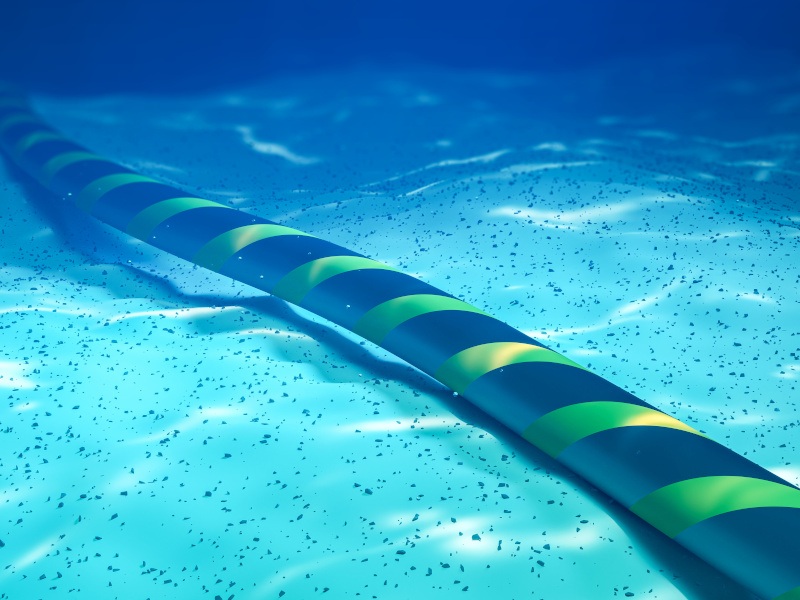
The Sea-Scan team has demonstrated remarkable innovation by developing a system that can detect and characterize vessel activity using existing subsea fiber infrastructure. This approach embeds robust sensing capabilities within operational communications assets, enabling effective vessel monitoring while simultaneously protecting subsea infrastructure from potential threats.
Dr. Diarmuid O’Brien, CEO of Research Ireland, emphasized the significance of challenge-based research funding, noting that it encourages researchers to work directly with those most affected by the problems they seek to address. The close collaboration between the Sea-Scan team and Defence Forces personnel has resulted in a high-quality solution to a complex problem that promises to deliver transformational capability for the Irish Defence Forces.
The winning project’s success is further contextualized by the achievements of the runner-up team, MASH (Mobile Adaptable SHelter), led by Dr. Daniel McCrum and Dr. Kevin Roche from University College Dublin, in collaboration with Defence Forces Liaison Captain Dave McKenna. This demonstrates the breadth and depth of innovative thinking being applied to Ireland’s defence challenges.
Minister Lawless highlighted how the prize-winning projects demonstrate how cutting-edge research can deliver practical, real-world solutions that strengthen national security while driving technological innovation. Minister McEntee reinforced this sentiment, emphasizing that innovation is critical to ensuring Defence Forces have the tools they need to operate effectively in an increasingly complex environment.
The significance of this achievement extends beyond immediate security applications. Ireland’s ability to monitor maritime activity, including the detection of so-called “dark” vessels, has been a topic of considerable discussion in recent years. The Sea-Scan project addresses these concerns directly, providing a technological solution that could potentially revolutionize how maritime surveillance is conducted.
The funding injection of over €1.8 million represents a substantial investment in Ireland’s technological future and its defence capabilities. This commitment reflects a broader strategy of modernizing defence capabilities and embracing innovative solutions for the future, positioning Ireland at the forefront of maritime surveillance technology.
The Sea-Scan project’s success also underscores the importance of academic-industry collaboration in addressing complex national security challenges. By bringing together expertise from Trinity College Dublin’s research community and the practical experience of the Defence Forces, the project has created a solution that is both technologically sophisticated and operationally relevant.
As Ireland continues to navigate the challenges of protecting its maritime interests in an increasingly complex geopolitical environment, innovations like the Sea-Scan system will play a crucial role. The project not only addresses immediate security concerns but also positions Ireland as a leader in maritime surveillance technology, potentially opening up new opportunities for international collaboration and export of Irish technological expertise.
The achievement of the Sea-Scan team serves as a powerful reminder of the critical role that research and innovation play in national security and economic development. As the project moves forward with its substantial funding support, the eyes of the international defence and technology communities will undoubtedly be watching closely, eager to see how this Irish innovation might shape the future of maritime surveillance and security.
SeaScan #MaritimeSecurity #AIDefence #TrinityCollegeDublin #ResearchIreland #MaritimeSurveillance #SubseaInfrastructure #NavalInnovation #IrishDefence #MaritimeTechnology #AIinSecurity #OceanMonitoring #NationalSecurity #DefenceInnovation #MaritimeAwareness #SubseaCables #IrishTech #MaritimeProtection #AIVesselDetection #OceanSecurity
protecting subsea infrastructure, maritime situational awareness, AI-powered vessel detection, Trinity College Dublin innovation, Research Ireland funding, Defence Innovation Challenge winner, maritime surveillance technology, subsea communications security, Irish Defence Forces modernization, real-time vessel monitoring, maritime domain awareness, AI-enhanced maritime security, subsea fiber infrastructure sensing, naval security technology, environmental monitoring applications, maritime threat detection, Irish technological innovation, Defence Forces collaboration, maritime infrastructure protection, AI maritime surveillance systems, ocean monitoring technology, national security innovation, maritime domain protection, subsea communications backbone, AI maritime detection systems, Defence Innovation Challenge funding, maritime security solutions, Irish maritime technology, AI-powered ocean monitoring, naval surveillance innovation
,


Leave a Reply
Want to join the discussion?Feel free to contribute!