
Tech CEOs Confused by Why Everybody Hates AI So Much
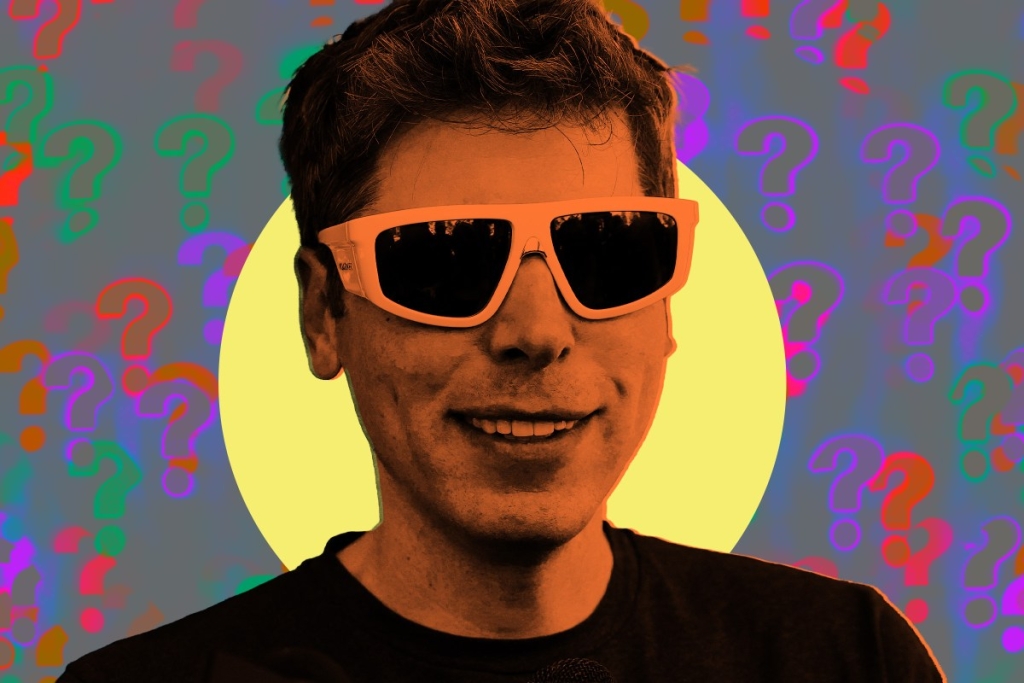
Tech CEOs Are Furious That You’re Not Grateful for AI—But Public Backlash Is Only Growing
In what’s becoming one of the most fascinating contradictions of the modern tech era, Silicon Valley’s AI evangelists are discovering that their revolutionary technology isn’t just failing to win hearts and minds—it’s actively generating hostility on a scale not seen since, well, maybe ever.
The evidence is mounting: from classrooms where AI is accused of destroying critical thinking skills, to job markets where AI applications are making employment searches feel futile, to war zones where AI systems are reportedly generating military targets by the thousands. Yet somehow, the tech elite expect gratitude.
“I can’t really remember a boom with such active hostility to it,” William Quinn, co-author of the 2020 history tome “Boom and Bust: A Global History of Financial Bubbles,” told the New York Times in a recent analysis. “People usually find new technology exciting. It happened with electricity, bicycles, motorcars. There were fears but also hopes. AI is notable, perhaps unique, for the lack of enthusiasm.”
This isn’t just academic observation—it’s becoming a full-blown crisis of confidence for the AI industry. As consumer sentiment curdles from skeptical to openly antagonistic, the very CEOs who’ve bet billions on artificial intelligence are finding themselves in an increasingly defensive posture.
“It’s extremely hurtful, frankly,” Nvidia chief executive Jensen Huang said in a January interview about what he calls the “battle of [AI] narratives.” Huang, whose company’s GPUs have become the backbone of the AI revolution, insists that AI is suffering “a lot of damage” from “very well-respected people who have painted a doomer narrative, end-of-the-world narrative, science fiction narrative.”
The irony is palpable. Huang and his peers spent years painting exactly those science fiction narratives—promising artificial general intelligence, human-level reasoning, and transformative breakthroughs that would reshape civilization. Now that the public has internalized those promises and found the reality wanting, the same CEOs are crying foul.
OpenAI CEO Sam Altman has echoed this sentiment, lamenting what he sees as pushback against the “diffusion, the absorption” of AI in broader society. “Looking at what’s possible, it does feel sort of surprisingly slow,” he said at the recent Cisco AI Summit, apparently oblivious to the fact that the public’s frustration stems precisely from the gap between AI’s hyped potential and its actual utility.
The numbers tell a story that no amount of CEO spin can overcome. According to Pew Research data from 2025, about 60 percent of Americans said they’d like “more control” over how AI is used in their lives, while only 17 percent are “comfortable” with AI remaining in the hands of a few tech billionaires. This isn’t Luddite resistance—it’s a democratic demand for agency in a technological revolution that’s being imposed from above.
Consumer data paints an even more damning picture. In mid-2025, when mainstream analyst firms were still parroting uncritical AI hype before investor sentiment turned cold in December, the number of US AI users who regularly paid for the privilege stood at a measly 3 percent. Let that sink in: despite billions in investment, thousands of startups, and relentless marketing, almost nobody is willing to pay for AI tools.
This economic reality cuts to the heart of the matter. If even those who do actively use AI aren’t willing to pay for it, maybe the problem isn’t public attitude—maybe the technology itself just isn’t delivering enough value to justify its costs, both monetary and societal.
The backlash isn’t limited to economic concerns. Students report that AI tools are eroding their ability to think critically and learn independently. Job seekers find that AI-powered application systems create frustrating barriers rather than helpful shortcuts. And in conflict zones, the deployment of AI for military targeting raises profound ethical questions that the tech industry has been reluctant to address.
What makes this situation particularly volatile is that it represents a fundamental mismatch between Silicon Valley’s innovation model and public expectations. Tech companies are accustomed to pushing products on consumers and letting market forces sort out the rest. But AI isn’t just another consumer gadget or social media platform—it’s a technology with the potential to reshape every aspect of human life, from education and employment to warfare and privacy.
The public’s demand for “more control” isn’t unreasonable; it’s a recognition that when a technology becomes this pervasive and powerful, democratic oversight isn’t optional—it’s essential. The fact that only 17 percent of Americans are comfortable with AI remaining in the hands of tech billionaires suggests a profound distrust of concentrated technological power that the industry would be wise to heed.
As the AI bubble shows signs of deflating—with December 2025 marking a turning point in investor sentiment—the question isn’t whether the public will become more accepting of AI, but whether the tech industry will adapt to meet legitimate public concerns rather than demanding gratitude for a technology that many see as more threat than promise.
The CEOs can complain about “doomer narratives” all they want, but until they address the fundamental issues that have generated this unique level of hostility—lack of transparency, concentration of power, unfulfilled promises, and real-world harms—they’re likely to find that public sentiment continues moving in exactly the opposite direction they desire.
AI is a bubble
tech CEOs are furious
public hates AI
nobody wants to pay for AI
AI destroys students
AI makes job hunting impossible
AI generates military targets
Silicon Valley out of touch
AI promises vs reality
democratic control of AI
tech billionaires vs public
AI backlash is unique
Nvidia CEO complains
OpenAI CEO frustrated
AI hype crashing down
consumers reject AI
AI bubble bursting
tech industry arrogance
public demands accountability
AI revolution failing
nobody grateful for AI
,


Leave a Reply
Want to join the discussion?Feel free to contribute!