
Samsung’s Audio Eraser now works with YouTube and more
Samsung Galaxy S26 Revolutionizes Mobile Audio with Real-Time Audio Eraser
In a groundbreaking leap for mobile audio technology, Samsung has unveiled a revolutionary new feature for the Galaxy S26 series that’s set to transform how we experience sound on our smartphones. The tech giant is expanding its popular Audio Eraser technology beyond video recording, bringing it to real-time audio processing across multiple apps and platforms.
From Recording to Real-Time: The Next Evolution of Audio Eraser
What started as a nifty tool for cleaning up audio in recorded videos on Google Pixel devices has now evolved into a sophisticated real-time audio processing system on Samsung’s latest flagship. With the Galaxy S26 series running One UI 8.5, Audio Eraser has transcended its original purpose, now capable of filtering and enhancing audio as it plays through supported applications.
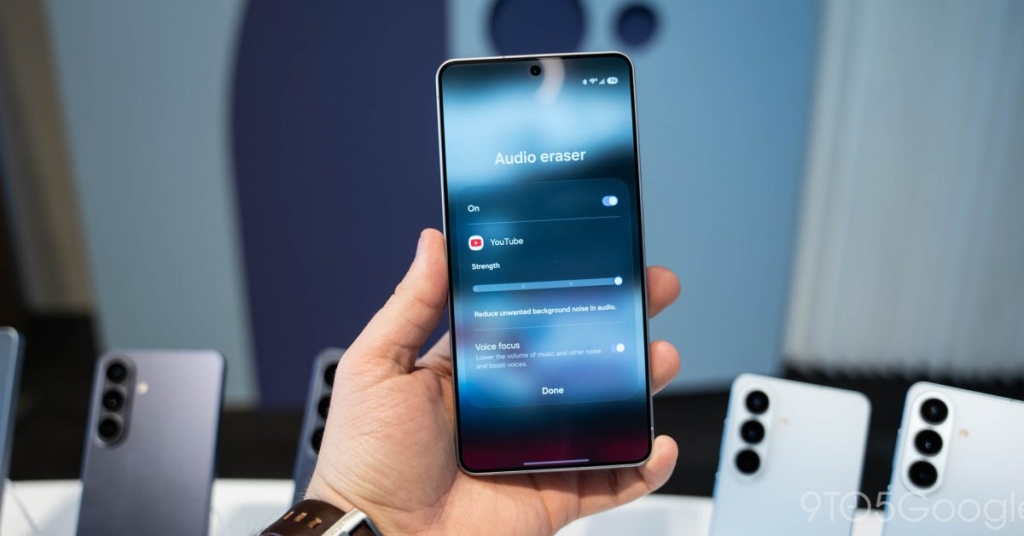
The feature works across a wide range of popular platforms including YouTube, Instagram, Netflix, and TikTok, with Samsung confirming that many other apps will also benefit from this technology. Users can toggle the feature on or off, adjust the strength of the audio processing effect, and even activate a specialized “Voice Focus” mode for enhanced vocal clarity.
The Science Behind the Sound
At its core, Audio Eraser uses advanced machine learning algorithms to analyze audio streams in real-time. When activated, the system can distinguish between different audio elements—separating dialogue from background noise, crowd sounds from music, or commentary from ambient stadium noise. This processing happens instantaneously on the device, requiring no cloud connection and ensuring privacy while delivering lightning-fast results.
During our hands-on testing with the Galaxy S26, we witnessed this technology in action on a YouTube hockey video. With Audio Eraser enabled, the commentators’ voices came through with crystal clarity, while the roar of the crowd remained present but appropriately balanced. When we disabled the feature, the raw audio revealed just how much processing was happening behind the scenes—the crowd noise became overwhelming, drowning out the commentary that Audio Eraser had so skillfully preserved.
Real-World Applications: More Than Just a Gimmick
While the technology is undoubtedly impressive, the practical applications raise interesting questions. Content creators could use this to ensure consistent audio quality across different video sources. Language learners might benefit from enhanced clarity in dialogue-heavy content. And for those with hearing sensitivities, the ability to reduce certain frequencies or enhance specific audio elements could prove invaluable.
The feature’s real-time nature means it can adapt to changing audio environments dynamically. Watching a concert video? Audio Eraser can help balance the music while still preserving the energy of the crowd. Following a tutorial? Voice Focus can make instructional content clearer than ever before.
Performance and Limitations
Like any audio processing technology, Audio Eraser isn’t perfect. The system occasionally introduces subtle artifacts—small audio anomalies that betray the processing at work. These are generally minimal and often go unnoticed by casual listeners, but audiophiles might detect them during critical listening sessions.
The processing also requires significant computational power, which means it may impact battery life when used extensively. Samsung has optimized the feature to minimize power consumption, but users should be aware that real-time audio processing isn’t free from an energy perspective.
The Future of Mobile Audio
Samsung’s expansion of Audio Eraser represents a significant shift in how we think about mobile audio. Rather than simply playing back sound as it was recorded, our devices are becoming intelligent audio processors, capable of reshaping our listening experience on the fly.
This technology opens doors to numerous possibilities: imagine attending a live event where your phone could enhance the audio based on your preferences, or watching foreign films with automatically enhanced dialogue clarity. The potential applications extend far beyond simple noise reduction.
Availability and Compatibility
The Galaxy S26 series, available for pre-order now with enhanced trade-in values and other promotional offers running through March 11, marks the debut of this expanded Audio Eraser functionality. While Samsung hasn’t released a comprehensive list of compatible apps, the feature appears to work with most major video and audio streaming platforms.
As One UI 8.5 rolls out to other Samsung devices throughout 2026, we may see Audio Eraser expand to additional models, though the real-time processing capabilities might be limited to devices with sufficient processing power.
Tags & Viral Phrases:
Galaxy S26 Audio Eraser, real-time audio processing, Samsung One UI 8.5, mobile audio technology, voice focus feature, YouTube audio enhancement, Instagram audio filtering, Netflix sound optimization, TikTok audio processing, smartphone audio revolution, audio artifact reduction, machine learning audio, mobile sound enhancement, next-gen smartphone features, Samsung audio innovation, viral tech feature, game-changing mobile tech, audio processing breakthrough, smartphone audio evolution, must-have Galaxy feature, audio clarity technology, real-time sound filtering, mobile audio breakthrough, Samsung flagship innovation, audio enhancement technology, viral smartphone feature, revolutionary audio tech, mobile sound processing, next-level smartphone audio, Samsung audio revolution, must-see tech feature, audio processing breakthrough, smartphone audio innovation, viral tech announcement, game-changing mobile feature, audio clarity breakthrough, mobile audio evolution, Samsung tech innovation, must-have smartphone feature, audio enhancement revolution, real-time audio breakthrough, smartphone audio game-changer, Samsung audio breakthrough, viral tech innovation, mobile audio must-have, next-gen audio processing, Samsung audio evolution, must-see smartphone feature, audio processing revolution
,


Leave a Reply
Want to join the discussion?Feel free to contribute!