
Anthropic acquires Vercept in early exit for one of Seattle’s standout AI startups
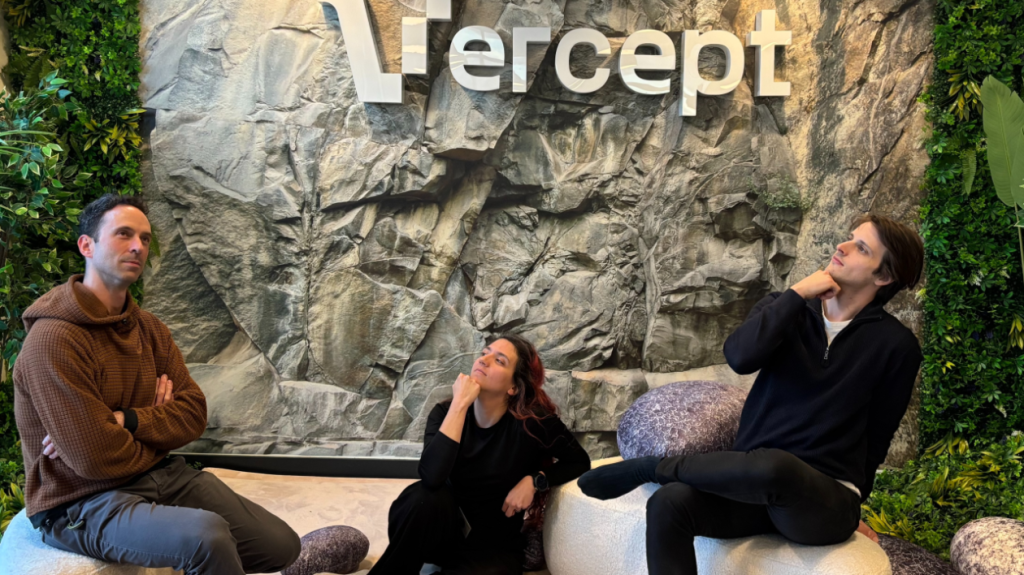
Anthropic Swallows Seattle Startup Vercept in AI Agent Arms Race
In a move that underscores the escalating battle to dominate AI-powered computer automation, Anthropic has acquired Vercept, a Seattle-based startup pioneering intelligent desktop agents. The acquisition, announced Wednesday, marks a significant consolidation in the race to build AI systems that can autonomously navigate and manipulate computer interfaces—a technology poised to redefine how humans interact with their machines.
The Deal: What We Know
Anthropic, the San Francisco-based AI research company behind the Claude chatbot, is absorbing Vercept’s team and technology. The financial terms remain undisclosed, but industry sources suggest the deal values Vercept in the mid-nine figures, reflecting both its technological achievements and the fierce competition for AI talent.
As part of the acquisition, Vercept’s flagship desktop application, Vy, will cease operations in 30 days. Users are being directed to Anthropic’s Claude tools as alternatives, though the migration path remains unclear for businesses that built workflows around Vy’s automation capabilities.
Why This Matters: The Computer Use Revolution
The acquisition represents more than just another tech consolidation—it’s a strategic play in what many consider the next frontier of AI: computer use. While chatbots have mastered language, the ability to actually operate software applications autonomously remains elusive for most AI systems.
Vercept’s technology allows AI agents to “see” computer screens and interact with them much like humans do—clicking buttons, typing text, and navigating complex interfaces. This capability, often called “computer use” or “screen-level automation,” is increasingly viewed as essential for AI agents to move beyond conversation and into actual task completion.
Anthropic’s statement about the acquisition emphasized this strategic importance: “Vercept’s team has spent years thinking carefully about how AI systems can see and act within the same software humans use every day. That expertise maps directly onto some of the hardest problems we’re working on at Anthropic.”
The Vercept Story: From AI2 to Anthropic
Vercept’s journey began at the Allen Institute for AI (AI2), where its founding team—Kiana Ehsani, Luca Weihs, and Ross Girshick—were already pushing the boundaries of AI interaction with the physical world. The startup, launched in early 2025 with backing from former Google CEO Eric Schmidt and other tech luminaries, quickly established itself as a leader in AI desktop automation.
The company’s flagship product, Vy, used proprietary technology called VyUI to understand and interact with computer interfaces. According to Vercept, VyUI outperformed models from OpenAI, Google, and Anthropic on UI grounding benchmarks—essentially tests measuring how well AI can understand and navigate graphical user interfaces.
The Talent War Intensifies
What makes this acquisition particularly telling is the caliber of talent involved. Vercept’s founding team includes Ross Girshick, a computer vision pioneer who has worked at Meta AI, and Kiana Ehsani, who led robotics and embodied AI research at AI2. The team’s expertise in training agents that can see, learn from, and interact with their surroundings proved irresistible to Anthropic.
This acquisition follows a pattern we’ve seen repeatedly in the AI industry: major companies acquiring specialized teams rather than building capabilities from scratch. Just weeks ago, OpenAI hired Peter Steinberger, creator of the viral AI agent OpenClaw, in a similar talent-and-technology acquisition.
The Competitive Landscape
Vercept wasn’t operating in isolation. The AI agent space has become crowded with both startups and tech giants racing to build the next generation of autonomous software. OpenAI’s Operator, Google’s Project Mariner, Amazon’s Nova Act, and Microsoft’s evolving Copilot all represent different approaches to the same fundamental challenge: creating AI that can actually do things rather than just talk about them.
Open-source projects like OpenClaw have also gained significant traction, offering AI automation through messaging apps like WhatsApp and Telegram. These tools have attracted millions of users, demonstrating strong market demand for computer-use capabilities.
Mixed Reactions from the Startup Ecosystem
The acquisition has generated mixed reactions within Seattle’s tech community. Oren Etzioni, Vercept’s co-founder and former AI2 CEO, expressed disappointment in LinkedIn posts, calling the outcome “sad” given the team’s traction and capabilities. He later elaborated on concerns about the acquisition process, though he also praised the team and wished them success at Anthropic.
Seth Bannon, founder of Fifty Years and lead investor in Vercept’s seed round, responded to Etzioni’s comments with Theodore Roosevelt’s famous “Man in the Arena” passage—a pointed reminder of the risks inherent in startup ventures.
What’s Next for AI Agents
With Vercept’s technology now part of Anthropic, the company is positioned to accelerate its “computer use” capabilities for Claude. This could mean faster rollout of features that allow Claude to complete multi-step tasks inside live applications, navigate spreadsheets, manage workflows across multiple tools, and potentially even control entire computing environments.
The acquisition also raises questions about the future of AI agent startups. As the major players consolidate talent and technology, will there be room for independent companies to thrive, or will this space increasingly become the domain of tech giants with deep pockets?
The Bigger Picture
This deal reflects a broader trend in AI development: the shift from language models that can converse to agents that can act. As AI systems become more capable, the bottleneck is increasingly shifting from raw intelligence to practical utility—the ability to actually accomplish tasks in the real world.
Vercept’s journey from AI2 spinout to Anthropic acquisition in just over a year illustrates both the rapid pace of AI development and the intense competition for the technologies and talent that will define the next era of computing.
Whether this acquisition represents a smart strategic move by Anthropic or a missed opportunity for Vercept to build something transformative on its own remains to be seen. What’s clear is that the race to build AI agents capable of navigating our digital lives is accelerating—and the stakes are only getting higher.
Tags: #AI #Acquisition #Anthropic #Vercept #SeattleTech #StartupAcquisition #AIRace #ComputerUse #DesktopAutomation #Claude #AI2 #TechConsolidation #AIRevolution #FutureOfWork #TechNews
Viral Phrases: “AI agent arms race,” “computer use revolution,” “desktop automation,” “screen-level automation,” “AI that can actually do things,” “next frontier of AI,” “talent and technology acquisition,” “AI interaction with the physical world,” “embodied AI,” “autonomous software,” “AI systems that can see and act,” “UI grounding benchmarks,” “AI desktop agent,” “AI talent war,” “tech giants consolidate,” “AI development accelerates,” “AI agents capable of navigating our digital lives,” “smart strategic move,” “missed opportunity,” “AI systems become more capable,” “practical utility,” “bottleneck shifting,” “raw intelligence,” “next era of computing,” “rapid pace of AI development,” “intense competition,” “technologies and talent,” “transformative,” “smart strategic move,” “missed opportunity,” “AI agents capable of navigating our digital lives,” “AI systems become more capable,” “practical utility,” “bottleneck shifting,” “raw intelligence,” “next era of computing,” “rapid pace of AI development,” “intense competition,” “technologies and talent,” “transformative”
,

Leave a Reply
Want to join the discussion?Feel free to contribute!