
The White House wants AI companies to cover rate hikes. Most have already said they would.
Big Tech’s Power Play: AI Data Centers and the Battle Over Rising Electricity Costs
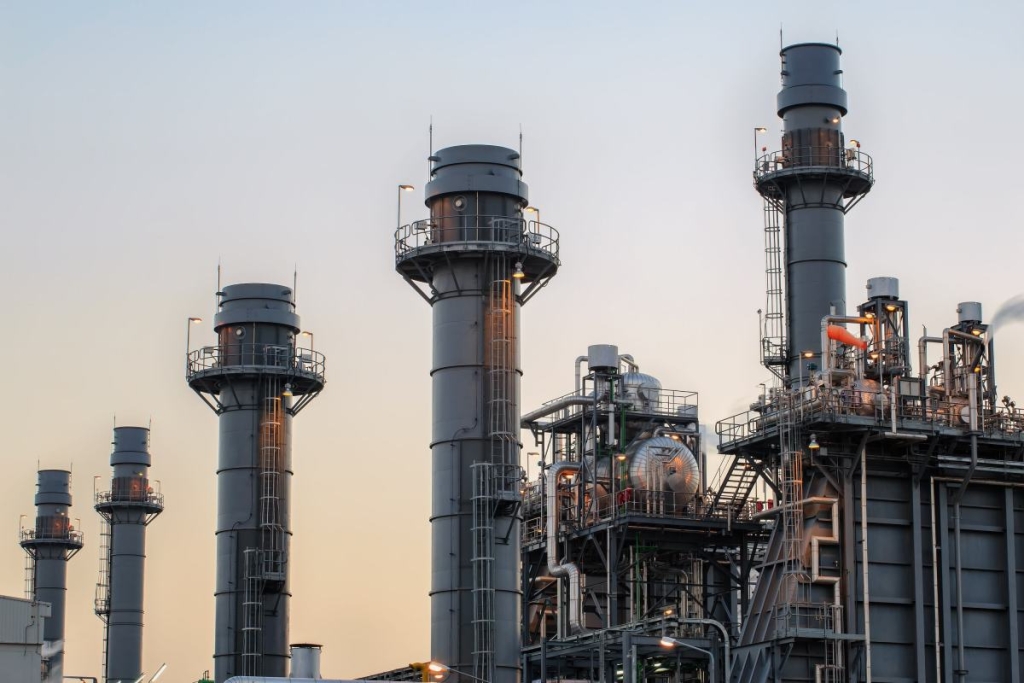
In the heart of America’s technological boom, a quiet but consequential crisis is unfolding. The explosive growth of artificial intelligence has triggered a surge in the construction of massive data centers, sprawling facilities that hum with the energy demands of training and running AI models. But this digital gold rush is coming at a steep price—one that’s being felt in the wallets of everyday Americans. Over the past year, the proliferation of AI data centers has contributed to a more than 6% increase in the national average electricity price, a figure that has caught the attention of policymakers, consumers, and the tech giants themselves.
President Donald Trump, addressing the nation in his recent State of the Union speech, didn’t mince words. “We’re telling the major tech companies that they have the obligation to provide for their own power needs,” he declared. “They can build their own power plants as part of their factory, so that no one’s prices will go up.” The message was clear: the era of Big Tech offloading its energy costs onto the public is coming to an end.
But the hyperscalers—Microsoft, OpenAI, Anthropic, Google, and others—don’t need to be told. In recent weeks, they’ve made bold, public commitments to shoulder the burden of their energy consumption, both to solve mounting public relations problems and to win over skeptical communities. On January 11, Microsoft announced a policy to ensure that the electricity costs of serving its data centers are not passed on to residential customers. Just weeks later, on January 26, OpenAI committed to “paying its own way on energy, so that our operations don’t increase your energy prices.” Anthropic followed suit on February 11, pledging to “cover electricity price increases that consumers face from our data centers.” And just yesterday, Google unveiled the largest battery project in the world, a 1.9-gigawatt clean energy deal in Minnesota designed to support a data center.
These commitments are more than just corporate goodwill—they’re a strategic response to a growing public relations crisis. As AI data centers multiply, so do concerns about their environmental and economic impact. Communities are increasingly wary of hosting these energy-hungry facilities, and the prospect of rising electricity bills is a political lightning rod, especially with elections looming.
Yet, for all the fanfare, the details remain murky. What exactly do these pledges mean in practice? Who will determine which data centers are responsible for which price increases? The White House has not released the text of the proposed pledge, and industry insiders are left guessing about the mechanics of these commitments.
Arizona Democratic Senator Mark Kelly voiced the skepticism of many. “A handshake agreement with Big Tech over data center costs isn’t good enough,” he said on social media. “Americans need a guarantee that energy prices won’t soar and communities have a say.” His words underscore a fundamental tension: while tech companies are promising to cover their own costs, the devil is in the details, and the public is demanding transparency and accountability.
Next week, the stakes will rise even higher. According to White House spokesperson Taylor Rodgers, representatives from major tech companies—including Amazon, Google, Meta, Microsoft, xAI, Oracle, and OpenAI—are set to attend a signing ceremony at the White House to formalize their commitments. However, none of the companies have confirmed their attendance, leaving the event shrouded in uncertainty.
Even if these tech titans follow through, on-site power plants may not be the silver bullet they appear to be. While building dedicated energy infrastructure could insulate consumers from price hikes, it could also have unintended consequences. On-site power plants can still have adverse impacts on the surrounding environment, and the race to power AI data centers is already straining supply chains for natural gas, turbines, photovoltaics, and batteries. Depending on how companies choose to power their compute, the environmental and logistical challenges could be significant.
The broader context is a world grappling with the double-edged sword of technological progress. AI promises unprecedented advances in medicine, science, and productivity, but it also demands a staggering amount of energy. As the United States races to maintain its competitive edge in the global AI race, the question of who pays for this growth—and at what cost—has become a defining issue of our time.
For now, the pledges from Big Tech are a step in the right direction, but they’re just the beginning. The real test will be in the implementation: how these commitments are enforced, how communities are involved, and how the environmental impact is managed. As the tech industry and policymakers navigate this complex landscape, one thing is clear: the future of AI—and the price we all pay for it—hangs in the balance.
Tags: AI data centers, electricity prices, Big Tech, energy costs, data center expansion, Trump administration, Microsoft, OpenAI, Anthropic, Google, clean energy, hyperscalers, community impact, supply chain, environmental concerns, power plants, energy infrastructure, tech policy, national grid, public relations, sustainability.
Viral Phrases:
- “Big Tech’s Power Play”
- “AI’s Energy Hunger”
- “The Price of Progress”
- “Who Pays for the Digital Boom?”
- “Data Centers: Boon or Burden?”
- “Tech Titans Take the Heat”
- “Energy Wars: AI vs. the Grid”
- “The Hidden Cost of AI”
- “Communities vs. Data Centers”
- “The Future of Power is Now”
,

Leave a Reply
Want to join the discussion?Feel free to contribute!