
Is Your Child a Picky Eater? Here’s One Thing to Try : ScienceAlert
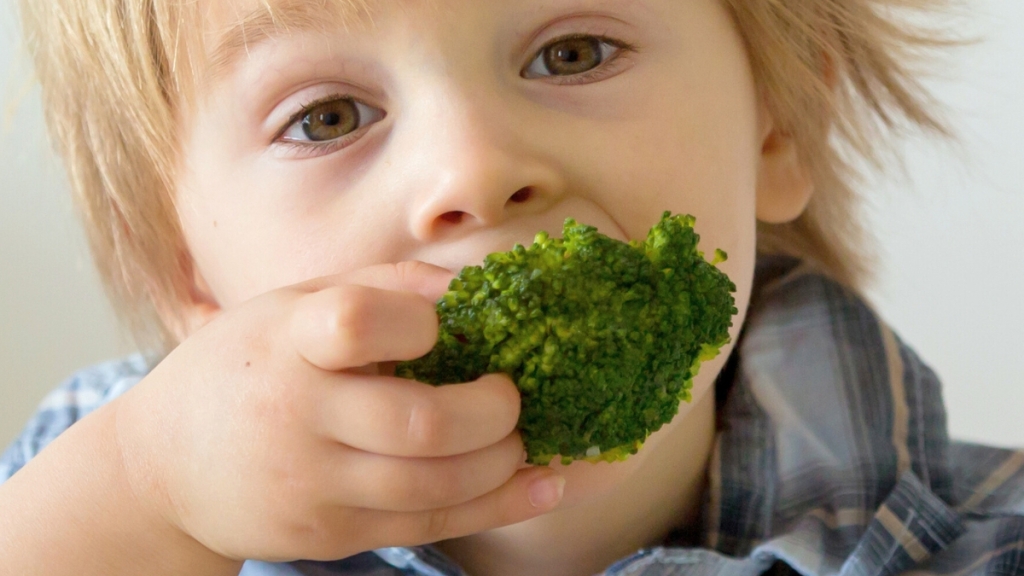
Why Kids Become Picky Eaters: The Science Behind Your Child’s Food Preferences
It’s 5:45 PM, and you’ve just walked through the door after a long day at work. All you want is a glass of wine and some Netflix time. But before you can even kick off your shoes, your adventurous 8-year-old, Sally, bounds into the kitchen. “I’m hungry! What’s for dinner?” she asks, her curiosity for new flavors as endless as her energy.
Meanwhile, from the living room, your 4-year-old, Billy, shouts, “Mac and cheese!” His diet? A rotating menu of boxed macaroni, dino-shaped chicken nuggets, and spaghetti—and only spaghetti. You sigh, wondering how two kids from the same family can be so different when it comes to food.
If this scenario feels all too familiar, you’re not alone. As a nutritional neuroscientist and a parent, I’ve spent years exploring why children develop the food preferences they do. Understanding the science behind these choices can help parents guide their kids toward a more diverse and healthy diet.
Nature vs. Nurture: The Battle for Your Child’s Palate
Are picky eaters like Billy born or made? While genetics do play a role, they’re only part of the story. Humans are naturally inclined to like sweet tastes (think breast milk or fruit) and dislike bitter ones (often a sign of toxins in nature). This preference starts early—even in the womb. Studies have shown that babies whose mothers consumed sweet carrot juice during pregnancy smiled more at the taste of carrot-flavored cereal, while those exposed to bitter kale grimaced.
But genes aren’t destiny. About 70% of people in the U.S. inherit genes that make them sensitive to bitter compounds called thioureas, found in foods like broccoli and coffee. Yet, many of these individuals grow to enjoy these foods over time. Take the rise of bitter IPA beers, for example—proof that taste preferences can evolve.
Another genetic quirk? The cilantro soap gene. Up to 20% of people have a version of this gene that makes cilantro taste like soap due to aldehyde compounds. For these individuals, cilantro is a hard pass—no matter how many tacos you put it on.
Pavlov’s Dogs and Your Dinner Table
While genes set the stage, environment plays the starring role in shaping food preferences. Remember Pavlov’s dogs? They learned to associate the sound of a bell with food, eventually salivating at the mere ring. Similarly, children learn to associate foods with positive or negative experiences.
Psychologist Leann Birch’s groundbreaking research in the 1980s showed that when a food is paired with positive experiences—like a warm hug from mom or a satisfying meal—children are more likely to enjoy it. On the flip side, negative experiences, like being forced to eat vegetables or feeling sick after a meal, can turn kids off certain foods.
Even before birth, babies start learning about food. In a classic study by biopsychologist Julie Mennella, pregnant moms who drank carrot juice regularly had babies who were more accepting of carrot-flavored cereal. Flavors from the mother’s diet pass through amniotic fluid, priming the baby for the family’s culinary traditions.
Hope for Picky Eaters
The good news? Picky eating is often just a phase. Most children outgrow it by school age, and if they’re growing at a healthy rate, there’s usually no cause for concern.
For parents looking to expand their child’s palate, the key is patience. Offer new foods repeatedly—some kids need 12 or more exposures before they’ll try something new. Avoid pressuring or bribing them, as this can backfire. And remember, kids might be more willing to try new foods at school or daycare than at home.
A Dinner Table Victory
Back to Sally and Billy. You’ve managed to get dinner on the table just in time: kimchi mac and cheese with baked cauliflower and a side of Sriracha for Sally. You’re hoping the familiar shape of the boxed mac and cheese noodles might tempt Billy to take a bite. And if not? There’s always tomorrow.
Tags: picky eating, food preferences, kids nutrition, picky eaters, childhood diet, nutritional neuroscience, parenting tips, food psychology, taste development, healthy eating habits
Viral Sentences:
- “Why does my kid only eat mac and cheese? The science behind picky eating.”
- “The surprising reason your child hates broccoli—and how to fix it.”
- “From womb to table: How babies learn to love (or hate) certain foods.”
- “Picky eating isn’t forever—here’s how to help your child expand their palate.”
- “Kimchi mac and cheese: The secret to getting your picky eater to try something new.”
,


Leave a Reply
Want to join the discussion?Feel free to contribute!