
SpaceX’s 1 million satellites could avoid environmental checks
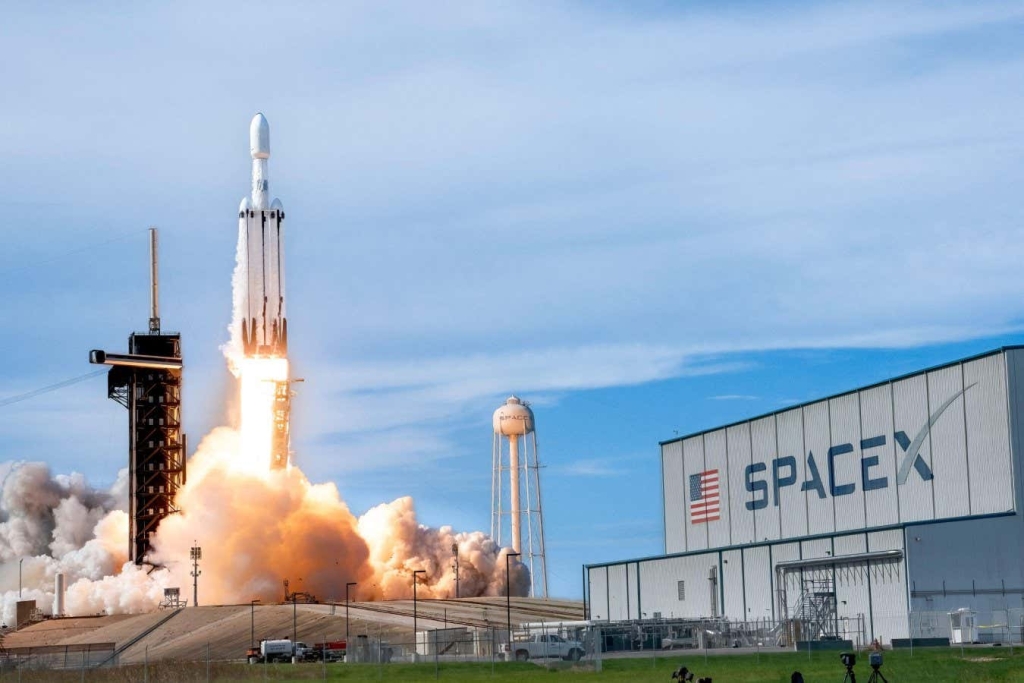
SpaceX’s Bold Bid to Launch 1 Million Satellites Sparks Global Alarm Over Environmental and Astronomical Impact
In a move that has sent shockwaves through the scientific community, SpaceX has submitted a staggering application to the Federal Communications Commission (FCC) seeking approval to launch a mega-constellation of 1 million satellites into Earth’s orbit. If approved, this ambitious plan would dwarf the current satellite population—there are only 14,500 active satellites in space today—and could fundamentally alter our relationship with the cosmos.
The announcement, made on January 30, came with little detail about the technical specifications of these satellites, but CEO Elon Musk hinted they would serve as orbital data centers for artificial intelligence. The proposal has ignited fierce debate among astronomers, environmentalists, and space policy experts, who warn of potentially catastrophic consequences for both Earth’s atmosphere and the night sky.
A Sky Transformed: The Astronomical Impact
For astronomers, the prospect of 1 million satellites is nothing short of terrifying. Samantha Lawler, an astronomer at the University of Regina in Canada, described the plan as “completely terrifying.” The lack of transparency from SpaceX regarding the size and altitude of these satellites has left scientists scrambling to model their potential impact.
In the worst-case scenario, tens of thousands of these satellites could be visible to the naked eye all night long, transforming the once-pristine night sky into a glittering swarm of artificial stars. This would not only rob humanity of its connection to the cosmos but also severely impact astronomical research. Telescopes on Earth and in space would be constantly obstructed by these satellites, potentially setting back decades of scientific progress.
Atmospheric Concerns: A Hidden Danger
Beyond the visual impact, the environmental consequences of such a mega-constellation are deeply troubling. When satellites and rockets burn up during re-entry, they release aluminum oxide (alumina) into the atmosphere. This substance is known to destroy ozone, a critical component of Earth’s protective layer. Lawler warns that the sheer scale of SpaceX’s plan could result in the release of teragrams (1 trillion grams) of alumina, leading to massive ozone depletion and potentially altering the temperature of the stratosphere.
Currently, only a handful of satellites re-enter Earth’s atmosphere each day. However, if SpaceX’s satellites need to be replaced every five years, like its Starlink satellites, it would mean one satellite launching and another re-entering the atmosphere every three minutes on average. This unprecedented rate of space traffic could have far-reaching and unpredictable effects on our planet’s climate and ecosystems.
Regulatory Gaps: A Race Against Time
The FCC’s current regulatory framework does not require an environmental impact assessment for satellite applications, even those of this magnitude. This exemption from the National Environmental Policy Act in the US has left many experts frustrated and concerned. Kevin Bell of the Free Information Group in Washington, DC, noted that while the FCC could study the application more closely if significant issues are raised during the public comment period, it may lack the in-house scientific capacity to fully assess the atmospheric impacts.
The public comment period, which opened less than a week after SpaceX’s application was submitted, closes on March 6. So far, over 350 comments have been submitted, with many astronomers and environmentalists urging the FCC to reject or heavily modify the proposal. Ruskin Hartley, CEO of DarkSky International, emphasized the need for responsible satellite deployment, stating, “We’re not opposed to satellites, but we believe it needs to be done in a responsible manner.”
A Pivotal Moment for Space Policy
As the deadline for public comments approaches, the scientific community is racing to gather data and present a unified case to the FCC. The decision on this application could set a precedent for the future of space exploration and satellite deployment, with far-reaching implications for both science and the environment.
SpaceX has yet to respond to requests for comment, leaving many questions unanswered. Will the FCC take a bold stance and require a comprehensive environmental impact assessment? Can SpaceX address the concerns of astronomers and environmentalists while pursuing its ambitious vision? The answers to these questions will shape the future of our skies and our planet.
Tags & Viral Phrases:
- SpaceX’s 1 million satellites
- Orbital data centers for AI
- Night sky transformed
- Ozone depletion risk
- Teragrams of alumina
- FCC regulatory gaps
- Astronomical research threatened
- Space traffic explosion
- Public comment deadline March 6
- Responsible satellite deployment
- Elon Musk’s bold vision
- Earth’s atmosphere at risk
- Cosmic connection at stake
- Space policy precedent
- Environmental impact assessment
- Starlink replacement cycle
- Stratospheric temperature changes
- Scientific community alarmed
- DarkSky International concerns
- Free Information Group insights
- University of Regina research
- National Environmental Policy Act
- Space exploration future
- Satellite mega-constellation
- Earth’s protective layer
- Climate and ecosystems
- Scientific progress setback
- Artificial stars in the sky
- Space traffic every 3 minutes
- Ozone destruction risk
- FCC decision pending
- SpaceX response awaited
- Bold stance needed
- Ambitious vision pursued
- Future of our skies
- Planet’s future at stake
- Unprecedented space deployment
- Environmental consequences
- Astronomical impact
- Regulatory framework gaps
- Public comment urgency
- Unified scientific case
- Space exploration implications
- Environmental and scientific balance
- Cosmic and climate concerns
- Satellite deployment responsibility
- Space policy evolution
- Earth’s atmosphere protection
- Astronomical research preservation
- Satellite visibility impact
- Ozone layer protection
- Stratospheric changes
- Space traffic management
- Environmental assessment necessity
- Scientific community unity
- Regulatory reform needed
- SpaceX transparency demanded
- Cosmic connection preservation
- Satellite deployment ethics
- Space exploration responsibility
- Environmental and astronomical balance
- Future of space policy
- Planet and cosmos at risk
,

Leave a Reply
Want to join the discussion?Feel free to contribute!