
The Wild Becomes a “Death Trap” for Rescued Slow Lorises
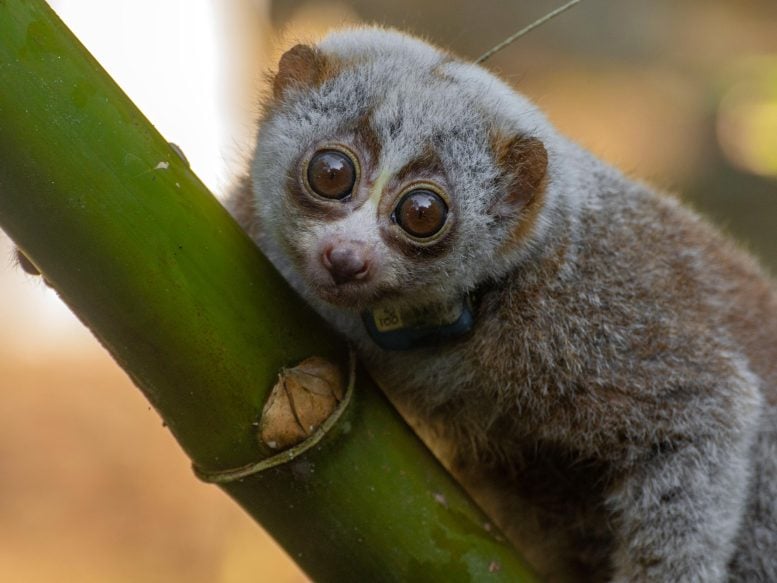
Rescued Slow Lorises Face Brutal Fate in the Wild, Study Reveals
A recent study has cast a sobering light on the fate of slow lorises rescued from illegal wildlife trade and released back into their natural habitats. While the act of returning these vulnerable primates to the wild may seem like a noble and life-saving gesture, the findings suggest that for many, the wild becomes a “death trap.”
Slow lorises, known for their large, endearing eyes and gentle demeanor, are among the most trafficked mammals in the world. Often captured for the exotic pet trade or used in traditional medicine, these nocturnal creatures endure immense suffering before being rescued. However, a study conducted in Indonesia has revealed that their journey to freedom is far from guaranteed.
The research, which tracked nine rescued slow lorises after their release, found that seven of them were killed within a short period. The primary cause of death? Territorial aggression from other lorises. In the wild, slow lorises are highly territorial, and the introduction of unfamiliar individuals can lead to violent confrontations. This grim reality challenges the assumption that rescued animals will seamlessly reintegrate into their natural environments.
The study highlights the complexities of wildlife rehabilitation and the need for more nuanced approaches to conservation. While releasing animals back into the wild is often seen as the ultimate goal of rescue efforts, this research underscores the importance of careful planning and monitoring. Factors such as the animal’s health, behavior, and the suitability of the release site must be meticulously evaluated to improve survival rates.
Experts are now calling for a reevaluation of current rehabilitation practices. Some suggest that rescued lorises may benefit from extended periods of acclimatization in semi-wild environments before being fully released. Others advocate for the creation of protected sanctuaries where these animals can live safely without the threat of territorial conflicts or human interference.
The plight of the slow loris serves as a stark reminder of the challenges faced by conservationists in their efforts to protect endangered species. While the intention behind rescuing and releasing these animals is undoubtedly noble, the reality is far more complex. As the study reveals, the wild is not always the safe haven we imagine it to be.
For now, the focus remains on finding innovative solutions to ensure the survival of rescued slow lorises. Whether through improved rehabilitation techniques, enhanced monitoring, or the establishment of secure habitats, the goal is clear: to give these vulnerable creatures a fighting chance at life in the wild.
As the world grapples with the ongoing biodiversity crisis, the story of the slow loris is a poignant reminder of the delicate balance between human intervention and nature’s unforgiving realities.
Tags & Viral Phrases:
Slow loris rescue, wildlife rehabilitation, territorial aggression, endangered species, exotic pet trade, conservation challenges, survival rates, animal trafficking, nocturnal primates, protected sanctuaries, biodiversity crisis, human intervention, nature’s realities, wildlife monitoring, semi-wild environments, territorial conflicts, rescue efforts, vulnerable creatures, fighting chance, delicate balance, unforgiving realities.
,


Leave a Reply
Want to join the discussion?Feel free to contribute!