
Samsung Galaxy S26 Ultra vs. iPhone 17 Pro Max: How I’m deciding between the two best phones
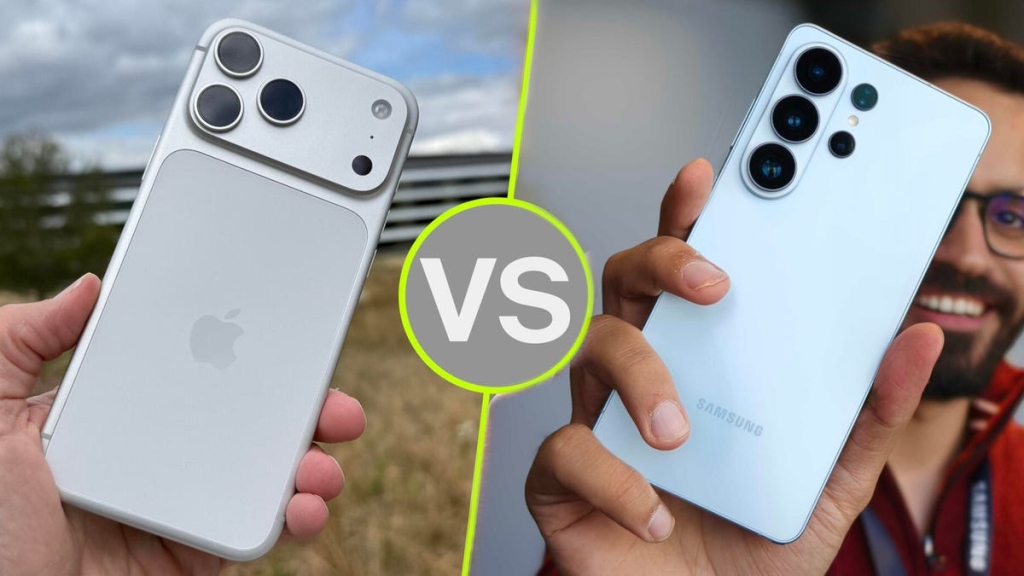
Samsung Galaxy S26 Ultra vs. iPhone 17 Pro Max: The Ultimate Flagship Showdown
The battle between Samsung and Apple for smartphone supremacy has never been fiercer. With Samsung’s Galaxy S26 Ultra and Apple’s iPhone 17 Pro Max leading the charge, consumers are faced with two exceptional devices that push the boundaries of mobile technology. This comprehensive comparison will help you decide which powerhouse deserves your hard-earned money.
Design and Display: Beauty Meets Innovation
The Samsung Galaxy S26 Ultra continues Samsung’s tradition of premium craftsmanship with its sleek aluminum frame and Gorilla Glass Victus 3 protection. The massive 6.9-inch Dynamic AMOLED 2X display boasts a stunning 3120×1440 resolution with a buttery-smooth 120Hz adaptive refresh rate. Samsung’s new “Privacy Screen” technology allows users to selectively obscure portions of their display with a simple gesture—a game-changer for privacy-conscious users.
Meanwhile, the iPhone 17 Pro Max maintains Apple’s signature flat-edge design with surgical-grade stainless steel and Ceramic Shield front cover. Its 6.9-inch Super Retina XDR display features ProMotion technology with adaptive refresh rates up to 120Hz and a peak brightness of 2,000 nits—perfect for outdoor visibility. Apple’s always-on display finally makes its debut, though with more limited functionality than Samsung’s implementation.
Performance: The Need for Speed
Under the hood, the Galaxy S26 Ultra packs Qualcomm’s Snapdragon 8 Elite Gen 5 processor, specifically optimized for Samsung devices. This powerhouse delivers benchmark scores that rival desktop computers, making it ideal for gaming, video editing, and AI-intensive tasks. With up to 16GB of LPDDR5X RAM, multitasking becomes effortless.
The iPhone 17 Pro Max counters with Apple’s A19 Pro chip, built on a 3nm process that delivers incredible efficiency and raw power. While Apple doesn’t disclose RAM specifications, the tight integration between hardware and iOS ensures smooth performance across all tasks. The A19 Pro’s Neural Engine handles AI tasks with remarkable efficiency, though it falls short of some Android-specific AI features.
Camera Systems: Photography Perfection
Samsung has revolutionized mobile photography with the Galaxy S26 Ultra’s quad-camera setup. The headline feature is a massive 200MP wide-angle primary sensor with 8K video recording at 30fps. The periscope telephoto lens offers 10x optical zoom with 100x digital zoom capabilities—perfect for capturing distant subjects. A 50MP ultra-wide lens and 10MP telephoto complete the array, while the 12MP front-facing camera handles selfies and video calls.
Apple’s iPhone 17 Pro Max takes a different approach with its triple 48MP camera system. The primary sensor, ultra-wide, and telephoto lenses all share the same resolution, ensuring consistent image quality across focal lengths. Apple’s computational photography remains industry-leading, with features like Photonic Engine and Smart HDR 5 delivering stunning results in challenging lighting conditions. The 12MP front camera now supports 4K60 video recording.
Battery Life and Charging
The Galaxy S26 Ultra houses a 5,000mAh battery with 65W wired charging that can reach 50% in just 15 minutes. Wireless charging supports up to 25W with Samsung’s proprietary chargers, and reverse wireless charging allows you to power other devices. Battery life easily stretches through two days of moderate use.
Apple has significantly improved battery technology in the iPhone 17 Pro Max, featuring a 4,352mAh battery (Apple doesn’t disclose exact capacities). While charging speeds remain modest at 35W wired and 25W wireless, iOS optimizations ensure all-day battery life for most users. MagSafe wireless charging adds convenient accessory compatibility.
Software and Ecosystem
This category represents the most significant philosophical difference between these devices. Samsung’s One UI 7.0, based on Android 15, offers unparalleled customization. From changing icon shapes to installing third-party launchers, users have complete control over their experience. Samsung’s Galaxy AI features include real-time translation, advanced photo editing, and productivity tools that integrate seamlessly with Microsoft 365.
Apple’s iOS 19 provides a more curated experience with tighter security and privacy controls. The ecosystem integration is unmatched—your iPhone works flawlessly with your Mac, iPad, Apple Watch, and AirPods. Features like Handoff, Universal Clipboard, and AirDrop create a seamless workflow that’s difficult to replicate on other platforms.
Storage and Expandability
The Galaxy S26 Ultra offers configurations ranging from 256GB to 1TB of UFS 4.0 storage, with no microSD card support—a controversial decision that disappoints many power users. However, Samsung’s improved file management system and cloud integration help mitigate storage concerns.
The iPhone 17 Pro Max takes storage seriously with options from 256GB to an industry-first 2TB model. This massive storage capacity appeals to content creators and professionals who need to store large video files, high-resolution photos, and extensive app libraries. Like Samsung, Apple has eliminated expandable storage, pushing users toward iCloud subscriptions.
Special Features and Innovation
Samsung continues to innovate with features like the S Pen stylus (now with reduced latency), under-display fingerprint sensor, and comprehensive 5G mmWave support. The new “Gaming Hub” optimizes performance for mobile gaming, while DeX mode transforms your phone into a desktop computing experience when connected to a monitor.
Apple’s advantages include Face ID (faster and more secure than ever), emergency satellite SOS, and the new Action Button that replaces the mute switch with customizable functionality. The iPhone 17 Pro Max also introduces ProRes RAW video recording, appealing to professional videographers who need maximum editing flexibility.
Price and Value
The Galaxy S26 Ultra starts at $1,299 for the 256GB model, with the 1TB version reaching $1,599. Samsung frequently offers trade-in deals and bundles with accessories like the Galaxy Watch or Galaxy Buds.
The iPhone 17 Pro Max starts at $1,199 for 256GB, with the 2TB model priced at $1,599. Apple’s trade-in values tend to be higher, and the company offers interest-free installment plans for all models.
The Verdict: Which Should You Choose?
Choose the Samsung Galaxy S26 Ultra if you:
- Crave cutting-edge technology and want the absolute latest features
- Need maximum flexibility and customization options
- Are deeply invested in the Google ecosystem or prefer Android’s open nature
- Want the best mobile gaming performance available
- Need extensive camera zoom capabilities for photography
- Prefer having a stylus for note-taking and creative work
Choose the iPhone 17 Pro Max if you:
- Already own other Apple devices and want seamless integration
- Value privacy and security above all else
- Prefer a more streamlined, curated user experience
- Need guaranteed software updates for 5+ years
- Want the best video recording capabilities available
- Appreciate superior customer support and Apple Store service
Specifications Comparison
| Feature | Samsung Galaxy S26 Ultra | iPhone 17 Pro Max |
|---|---|---|
| Display | 6.9″ Dynamic AMOLED 2X, 3120×1440, 120Hz | 6.9″ Super Retina XDR, 2796×1290, 120Hz |
| Processor | Snapdragon 8 Elite Gen 5 | Apple A19 Pro |
| RAM | 12GB/16GB | 8GB (estimated) |
| Storage | 256GB/512GB/1TB | 256GB/512GB/1TB/2TB |
| Battery | 5,000mAh | 4,352mAh (estimated) |
| Rear Cameras | 200MP + 50MP + 10MP + 12MP | 48MP + 48MP + 48MP |
| Front Camera | 12MP | 12MP |
| OS | Android 15 (One UI 7.0) | iOS 19 |
| Starting Price | $1,299 | $1,199 |
Viral Tags and Phrases
Galaxy S26 Ultra vs iPhone 17 Pro Max, flagship killer 2026, smartphone showdown, Android vs iOS, best phone battle, camera comparison, performance test, battery life champion, premium smartphone, tech comparison, mobile photography, gaming phone, AI features, privacy screen, S Pen vs no stylus, ecosystem lock-in, storage wars, charging speed test, display quality, processor performance, camera zoom battle, video recording capabilities, software experience, customization options, long-term support, resale value, trade-in deals, flagship features, mobile innovation, next-gen smartphone, ultimate comparison, tech enthusiast choice, professional tools, everyday usability, premium experience, cutting-edge technology, user preference, market leader showdown, feature comparison, value proposition, buying guide, tech review, smartphone evolution, competitive analysis, consumer choice, mobile excellence, device comparison, flagship excellence, technology showdown.
Both devices represent the pinnacle of smartphone engineering, and your choice ultimately depends on your specific needs, ecosystem preferences, and how you use your mobile device. Whether you choose Samsung’s feature-packed powerhouse or Apple’s refined and integrated experience, you’re getting one of the best smartphones money can buy in 2026.
,

Leave a Reply
Want to join the discussion?Feel free to contribute!