
TCL CSOT Super Pixel display debuts with promises of better image quality, lower power use
TCL CSOT Unveils Game-Changing Super Pixel Display Tech and World-First Inkjet-Printed OLED Production Line at MWC 2026
Barcelona, Spain – February 26, 2026 – In a dazzling showcase of next-generation display innovation, TCL CSOT has once again captured the spotlight at Mobile World Congress, unveiling breakthrough technologies that promise to reshape how we experience visual content on our devices. The Chinese display giant, known for pushing the boundaries of screen technology, has introduced its revolutionary Super Pixel Technology alongside major advances in Inkjet-printed OLED displays that could fundamentally alter the manufacturing landscape.
The Super Pixel Revolution: More Than Meets the Eye
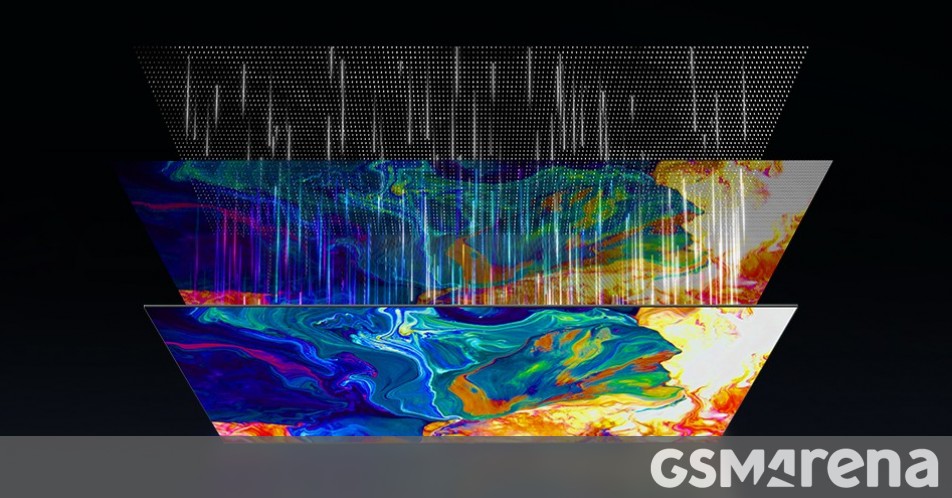
At the heart of TCL CSOT’s MWC 2026 presentation lies the Super Pixel Technology, a clever reimagining of how individual pixels on our screens actually work. While most OLED displays today rely on sub-pixel rendering (SPR) to create images, TCL’s approach adds just 1.8% more sub-pixels than traditional SPR displays—a seemingly small change that delivers remarkable results.
Here’s why this matters: Traditional SPR displays face a fundamental limitation. Individual pixels don’t contain all three primary colors (Red, Green, and Blue) in their own dedicated sub-pixels. Instead, they must borrow sub-pixels from neighboring pixels to achieve the desired color output. This borrowing system requires the display controller to constantly convert incoming RGB images into a format that the panel can actually display.
TCL’s Super Pixel design elegantly sidesteps this complexity. By strategically adding those extra sub-pixels, the technology reduces the processing burden on the display controller significantly. The result? Power consumption drops by an impressive 25% compared to conventional SPR displays. For smartphone users, this translates directly to longer battery life without sacrificing visual quality—a holy grail in mobile technology.
But the benefits don’t stop at power efficiency. Super Pixel displays can achieve refresh rates up to 40% higher than today’s typical displays. In practical terms, this means smoother scrolling, more responsive gaming, and an overall more fluid visual experience that could make current high-refresh-rate displays feel sluggish by comparison.
Inkjet-Printed OLED: The Manufacturing Revolution
While Super Pixel technology captures attention with its immediate benefits, TCL CSOT’s announcement about its 8.6-generation Inkjet-printed (IJP) OLED production line might prove even more transformative in the long run. The company has begun construction on what will become the world’s first mass-production facility using this cutting-edge manufacturing method.
Traditional OLED manufacturing relies on vacuum deposition processes that are both energy-intensive and limited in their flexibility. Inkjet printing represents a paradigm shift. By using precision printing techniques similar to those found in high-end commercial printers, TCL CSOT can create OLED displays through a process that’s not only more adaptable but also more efficient.
The advantages are compelling. First, inkjet printers can be easily reconfigured for different panel sizes, offering manufacturers unprecedented flexibility in their production lines. Second, the process eliminates the need for complex vacuum procedures, simplifying the entire manufacturing workflow. Third, and perhaps most impressively, IJP OLED displays can achieve 50%-60% larger emission areas compared to traditional methods.
This larger emission area directly translates to improved efficiency. More light output per unit of power means displays that are not only brighter but also consume less energy—a win-win for both manufacturers and consumers. Additionally, the precision of inkjet printing allows for the creation of Real Stripe RGB panels, which deliver superior image quality and color accuracy that purists and professionals will appreciate.
Industry Impact and Timeline
The implications of these technologies extend far beyond TCL’s own product lineup. Super Pixel Technology could quickly become an industry standard, given its relatively simple implementation requiring only a modest increase in sub-pixel count while delivering substantial improvements in power efficiency and performance. Competitors will likely need to develop their own solutions or license TCL’s technology to remain competitive.
The IJP OLED production line, however, represents a more fundamental shift. Once operational, it could dramatically reduce the cost and complexity of OLED manufacturing, potentially accelerating the adoption of OLED technology across all price segments. This could spell the beginning of the end for LCD dominance in mid-range and even budget devices, as OLED’s superior contrast ratios, response times, and viewing angles become accessible to a much broader market.
TCL CSOT hasn’t provided a specific timeline for when Super Pixel displays will appear in consumer products, but industry analysts suggest we could see them in flagship smartphones and tablets by late 2026 or early 2027. The IJP OLED production line is expected to reach full operational capacity by 2028, with the first IJP-manufactured displays likely appearing in TCL-branded devices initially before the technology potentially spreads to other manufacturers.
The Bigger Picture
These announcements come at a crucial time for the display industry. With smartphone sales plateauing and consumers holding onto devices longer, manufacturers are under increasing pressure to offer compelling reasons for upgrades. Technologies like Super Pixel and IJP OLED manufacturing could provide exactly that—visible, tangible improvements that make the latest devices noticeably better than their predecessors.
Moreover, as environmental concerns become increasingly central to consumer purchasing decisions, the power efficiency gains from both technologies align perfectly with growing demand for more sustainable electronics. A 25% reduction in display power consumption could translate to meaningful improvements in overall device battery life and reduced energy consumption over a device’s lifetime.
TCL CSOT’s dual announcements at MWC 2026 represent more than just incremental improvements—they signal a potential inflection point in display technology, where manufacturing innovation meets performance enhancement to create a new standard for what screens can and should be. As these technologies mature and proliferate, we may look back on this moment as the beginning of a new era in visual technology.
tags
TCLCSOT #SuperPixel #MWC2026 #InkjetOLED #DisplayTechnology #ScreenInnovation #MobileWorldCongress #NextGenDisplays #OLEDManufacturing #TechBreakthrough #DisplayRevolution #VisualTechnology #ScreenTech #PowerEfficientDisplays #HighRefreshRate #MobileInnovation
oraciones virales
This changes everything we know about screen technology! TCL just dropped the mic at MWC 2026 with innovations that will be in your next phone. Say goodbye to battery anxiety with 25% less power drain. The future of displays is being printed right now, and it’s mind-blowing. Your eyes won’t believe the difference—sharper, smoother, and smarter screens are coming. This isn’t just an upgrade; it’s a complete revolution in how screens are made and how they perform. The display wars just got real, and TCL is leading the charge. If you thought your current phone screen was good, wait until you see what’s coming next. This technology is so advanced, it feels like science fiction becoming reality. The best part? These innovations could make their way to mid-range phones, not just flagships. TCL is printing the future, literally, and the entire industry is about to follow.
,

Leave a Reply
Want to join the discussion?Feel free to contribute!