
The iPhone in your pocket is now trusted for classified NATO data
Apple’s iPhone and iPad Now Certified for NATO “Restricted” Classified Data
In a groundbreaking move that bridges consumer technology with high-stakes defense operations, Apple has announced that its iPhone and iPad devices have received official NATO certification to handle classified information up to the “restricted” level. This isn’t about ruggedized military hardware or government-exclusive devices—this approval applies to standard iPhones and iPads running iOS 26 and iPadOS 26, the very same devices millions of people use every day.
What Makes This Certification So Significant?
For years, the assumption in both government and security circles was that consumer smartphones simply couldn’t be trusted with classified data. The risks of potential vulnerabilities, network exposure, and hardware limitations made them unsuitable for sensitive operations. Apple has now proven otherwise, becoming the first consumer device manufacturer to achieve this level of NATO approval.
The “restricted” classification, while the lowest tier in NATO’s classification system (below confidential and secret), still represents genuine classified information. This means the data being handled requires protection against unauthorized disclosure and could cause damage to national security interests if compromised.
From German Government to NATO-Wide Approval
This achievement builds on Apple’s earlier success with German government certification. The German Federal Office for Information Security (BSI) conducted extensive technical assessments, rigorous testing, and comprehensive security analysis before determining that Apple’s devices met not only German requirements but also the standards required by NATO nations.
Now, iPhones and iPads running the latest operating systems are officially listed in the NATO Information Assurance Product Catalogue, placing them alongside traditional defense contractors and government-focused technology vendors. This inclusion represents a fundamental shift in how we think about the capabilities of consumer technology in sensitive environments.
The Security Architecture Behind the Approval
Apple’s certification success comes down to its integrated approach to security, built into every layer of its hardware and software ecosystem. Modern iPhones and iPads feature Apple silicon with a dedicated Secure Enclave—a separate processor that isolates and protects sensitive data like encryption keys and biometric information from the main operating system.
The devices employ multiple security layers including Face ID and Touch ID biometric authentication, Memory Integrity Enforcement that prevents entire classes of memory-based attacks before they can execute, and support for industry-standard VPN protocols out of the box. These features work together to create a security posture that meets NATO’s stringent assurance requirements.
Ivan Krstić, Apple’s vice president of Security Engineering and Architecture, emphasized the significance: “Prior to iPhone, secure devices were only available to sophisticated government and enterprise organizations after a massive investment in bespoke security solutions. Instead, Apple has built the most secure devices in the world for all its users, and those same protections are now uniquely certified under assurance requirements for NATO nations—unlike any other device in the industry.”
The Same Device in Your Pocket
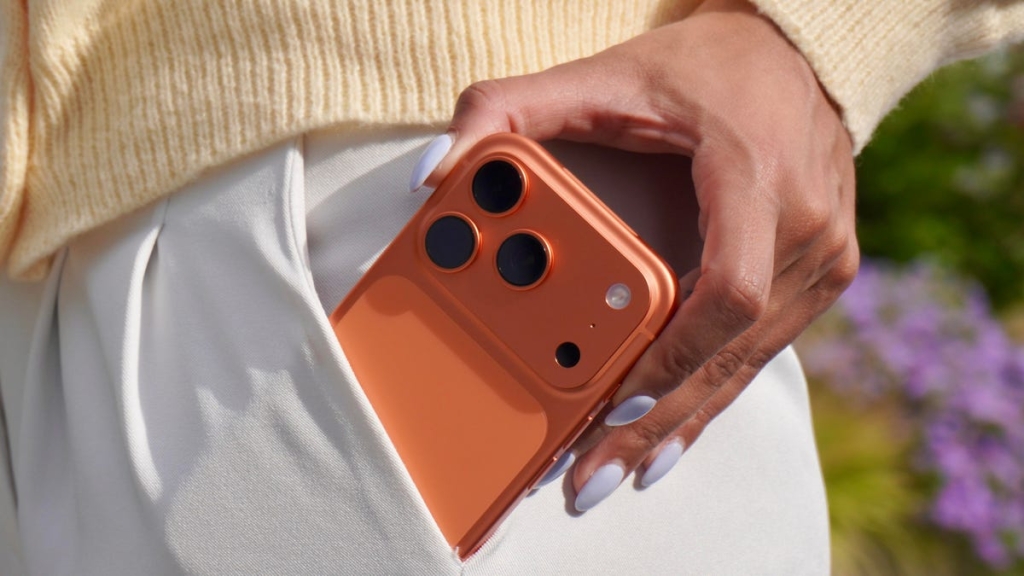
Perhaps the most remarkable aspect of this certification is that it validates everyday consumer hardware for use in environments previously reserved for specialized, locked-down equipment. The iPhone you carry for personal use, the iPad you use for work or entertainment—these same devices now meet the security standards required for classified NATO operations.
This development represents more than just a technical achievement; it’s a validation of Apple’s long-standing commitment to privacy and security as fundamental design principles rather than afterthoughts. It demonstrates that consumer technology, when designed with security as a core consideration from the ground up, can meet the most demanding requirements.
The certification also has practical implications for government and military personnel who can now use familiar, user-friendly devices while maintaining the security standards their work demands. This could lead to increased efficiency, better user adoption, and reduced training requirements compared to traditional secure communication devices.
Apple’s achievement with NATO certification marks a watershed moment where the line between consumer and secure government technology has effectively blurred, setting a new standard for what’s possible in mobile security.
Tags: NATO certification, iPhone security, iPad classified data, Apple government approval, iOS 26 security, NATO restricted classification, Apple Secure Enclave, government smartphone security, military-grade consumer devices, NATO Information Assurance Product Catalogue, BSI certification, Apple privacy features, classified data handling, consumer device security, military technology
Viral Phrases: “Your iPhone is now NATO-approved,” “The same phone in your pocket is now trusted with classified data,” “Apple just made your everyday device military-grade,” “Consumer tech meets national security,” “The iPhone that’s secure enough for NATO,” “Apple’s security architecture wins over NATO,” “Your device just got a security upgrade for the history books,” “When your personal tech becomes government-approved,” “The day consumer devices met classified requirements,” “Apple proves everyday security can be extraordinary”
,

Leave a Reply
Want to join the discussion?Feel free to contribute!