
Google paid startup Form Energy $1B for its massive 100-hour battery
Google’s $1 Billion Bet on the Future: Form Energy’s Iron-Air Battery Powers Minnesota’s Next-Gen Data Center
In a bold move that signals the future of sustainable infrastructure, Google has unveiled plans for a cutting-edge data center in Becker, Minnesota, powered by an unprecedented mix of renewable energy and groundbreaking battery storage technology. At the heart of this initiative lies a $1 billion deal with Form Energy, a Massachusetts-based startup revolutionizing long-duration energy storage with its iron-air battery system.
The project, announced earlier this week, marks one of the largest clean energy investments in the tech giant’s history. Google’s new facility will draw power from 1.4 gigawatts of wind energy and 200 megawatts of solar, but the real star of the show is Form Energy’s massive 300-megawatt battery capable of discharging electricity continuously for 100 hours—a feat that could redefine how data centers and industries manage energy reliability.
The Science Behind the Battery: Breathing Iron
Form Energy’s iron-air battery operates on a principle as elegant as it is innovative. The system “breathes” by using oxygen to rust iron, a chemical reaction that releases electrons and generates electricity. This process, known as reversible rusting, allows the battery to store energy for extended periods, making it ideal for balancing the intermittent nature of renewable sources like wind and solar.
Unlike lithium-ion batteries, which typically discharge over hours, Form’s technology is designed for multi-day storage, addressing one of the biggest challenges in the clean energy transition: ensuring a steady power supply even when the sun isn’t shining or the wind isn’t blowing. For Google, this means uninterrupted operations at its Minnesota data center, even during prolonged periods of low renewable generation.
A Billion-Dollar Milestone for Form Energy
The deal with Google represents a watershed moment for Form Energy, which has been quietly developing its technology for years. Founded in 2017 by CEO Mateo Jaramillo, a former Tesla executive, the startup has raised $1.4 billion to date, according to PitchBook. The Google contract not only validates Form’s approach but also positions it as a leader in the emerging long-duration energy storage market.
Jaramillo revealed that the company is now in the process of raising a $500 million funding round, fueled by the momentum from the Google deal. With plans to go public next year, Form Energy is poised to scale its operations and bring its iron-air batteries to a broader market.
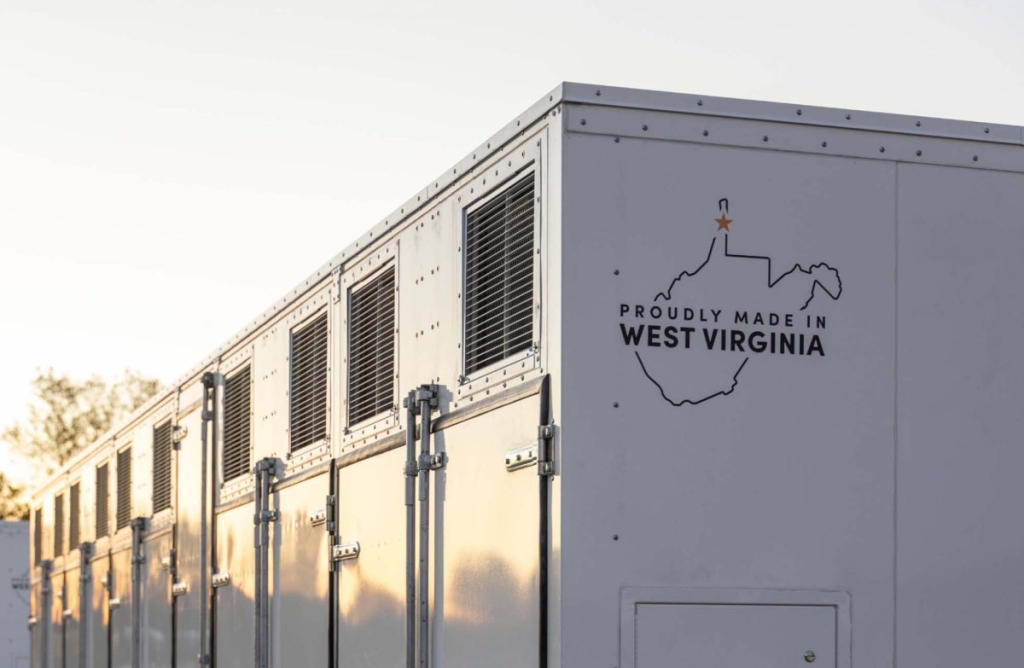
The startup has already begun production at its factory in West Virginia, where it plans to manufacture the batteries at scale. The Google deal, however, is its first major commercial deployment, setting the stage for future partnerships with other tech giants and industries seeking sustainable energy solutions.
Google’s Green Data Center Revolution
For Google, the Minnesota data center is more than just a facility—it’s a statement of intent. The company has long been a leader in corporate sustainability, achieving carbon neutrality in 2007 and matching 100% of its electricity consumption with renewable energy since 2017. This new project takes that commitment to the next level by integrating long-duration storage into its energy mix.
The data center will be located in Becker, a town in central Minnesota known for its proximity to wind farms and solar resources. By combining these renewables with Form Energy’s battery, Google aims to create a resilient, carbon-free power system that can operate independently of the grid for extended periods. This approach not only reduces the facility’s environmental impact but also enhances its reliability—a critical factor for data centers that power everything from search engines to cloud computing.
The Broader Implications: A Blueprint for Clean Energy
Google’s investment in Form Energy’s technology could have far-reaching implications for the clean energy sector. Long-duration storage has long been seen as a missing piece in the puzzle of renewable energy adoption. While lithium-ion batteries are effective for short-term storage, they struggle to address the challenges of seasonal fluctuations and multi-day weather events.
Form Energy’s iron-air batteries offer a cost-effective and scalable solution. Made from abundant materials like iron, water, and air, they are cheaper and more environmentally friendly to produce than lithium-ion alternatives. If successful, this technology could accelerate the transition to a grid powered entirely by renewables, reducing reliance on fossil fuels and lowering carbon emissions.
The Google-Form Energy partnership also highlights the growing role of tech companies in driving innovation in clean energy. As data centers become increasingly energy-intensive, companies like Google, Amazon, and Microsoft are under pressure to find sustainable solutions. By investing in cutting-edge technologies like long-duration storage, they are not only meeting their own sustainability goals but also paving the way for broader adoption across industries.
What’s Next?
As Form Energy ramps up production and prepares for its IPO, the tech and energy sectors will be watching closely. The success of the Minnesota data center could inspire similar projects worldwide, creating a ripple effect that transforms how we think about energy storage and grid reliability.
For now, Google’s $1 billion bet on Form Energy is a testament to the power of innovation and collaboration in tackling the climate crisis. It’s a reminder that the future of energy isn’t just about generating clean power—it’s about storing it, managing it, and using it in ways that are both sustainable and scalable.
In the words of Mateo Jaramillo, “This is just the beginning.” With Google leading the charge, the dawn of a new era in clean energy may be closer than we think.
Tags: Google, Form Energy, iron-air battery, long-duration energy storage, renewable energy, data center, clean energy, sustainability, Becker Minnesota, Mateo Jaramillo, carbon-free power, wind energy, solar power, electrochemical engineering, tech innovation, green technology, energy transition, climate crisis, grid reliability, IPO, West Virginia factory, lithium-ion alternatives, renewable grid, corporate sustainability, carbon neutrality.
Viral Sentences:
- Google’s $1 billion bet on Form Energy’s iron-air battery could redefine the future of clean energy.
- This battery “breathes” by rusting iron—a simple yet revolutionary way to store renewable power for days.
- Google’s Minnesota data center will run on wind, solar, and a battery that could change the game for energy storage.
- Form Energy’s technology is the missing piece in the puzzle of a fully renewable grid.
- With this deal, Google is proving that sustainability and innovation go hand in hand.
- The future of data centers is green, and it’s powered by iron, air, and ingenuity.
- This $1 billion partnership is a blueprint for how tech giants can lead the clean energy revolution.
- Form Energy’s batteries are cheaper, greener, and built to last—unlike anything we’ve seen before.
- Google’s commitment to carbon-free power just got a major boost from a startup with a game-changing idea.
- The tech industry is stepping up to solve the climate crisis, one billion-dollar deal at a time.
,


Leave a Reply
Want to join the discussion?Feel free to contribute!