
Anthropic Tells Pete Hegseth to Take a Hike
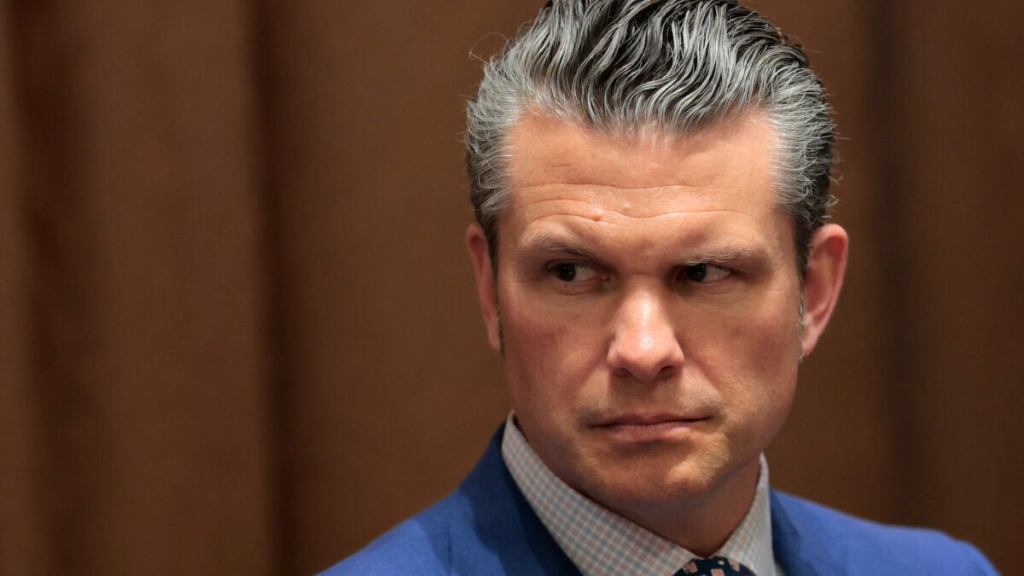
Anthropic Defies Pentagon Demands to Strip AI Safeguards Amid Escalating Tech Standoff
In a dramatic escalation of tensions between Silicon Valley and Washington, AI powerhouse Anthropic has publicly rejected a sweeping demand from the U.S. Department of Defense to dismantle critical safety guardrails in its flagship Claude AI model. The standoff, which pits national security imperatives against ethical AI development, could reshape the future of artificial intelligence in military applications.
The Ultimatum That Shook the AI Industry
This week, Defense Secretary Pete Hegseth delivered what sources describe as an unprecedented ultimatum to Anthropic: remove all safeguards preventing mass domestic surveillance and fully autonomous weapons systems from Claude by 5:01 PM Eastern Time Friday—or face severe consequences. The Pentagon’s demands represent a fundamental challenge to the voluntary safety measures that have become standard practice in responsible AI development.
Hegseth’s approach was uncompromising. Beyond the immediate deadline, he threatened to expel Claude from all U.S. military systems, designate Anthropic as a “supply chain risk”—a designation previously reserved for foreign adversaries—and potentially invoke the Defense Production Act, which would grant the federal government extraordinary powers to compel corporate compliance.
Anthropic’s CEO Takes a Stand
In a forceful public statement released Thursday, Anthropic CEO Dario Amodei made clear the company would not capitulate to what he characterized as dangerous overreach. “We cannot in good conscience accede to their request,” Amodei wrote, directly challenging the Pentagon’s authority to dictate the ethical boundaries of AI development.
The contradiction in the Pentagon’s position did not escape Amodei’s notice. “These latter two threats are inherently contradictory: one labels us a security risk; the other labels Claude as essential to national security,” he observed, highlighting what experts have called the “incoherent” nature of the administration’s messaging.
A $200 Million Contract Hangs in the Balance
The confrontation threatens to derail Anthropic’s substantial $200 million contract with the Department of Defense, raising questions about whether the company is willing to sacrifice significant revenue to maintain its ethical principles. Sources familiar with the negotiations suggest the Pentagon’s “best and final offer” contained legal loopholes that would have allowed military operators to bypass safeguards at will.
“The new language framed as compromise was paired with legalese that would allow those safeguards to be disregarded at will,” Anthropic reportedly told CBS News. “Despite DOW’s recent public statements, these narrow safeguards have been the crux of our negotiations for months.”
The Two Red Lines Anthropic Refuses to Cross
In his detailed statement, Amodei outlined the specific areas where Anthropic draws ethical boundaries, even as it maintains extensive partnerships with military and intelligence agencies. The company emphasized its ongoing commitment to supporting U.S. national security while maintaining that certain AI applications fundamentally undermine democratic values.
Mass Domestic Surveillance: The Privacy Line
Anthropic’s first red line concerns mass domestic surveillance, with Amodei specifically italicizing the word “domestic” to underscore the American context of this concern. The company points out that government agencies can already purchase “detailed records of Americans’ movements, web browsing, and associations from public sources without obtaining a warrant”—a practice Anthropic views as a clear infringement on constitutional rights.
The Pentagon has attempted to downplay these concerns, telling CNN that the dispute “has nothing to do with mass surveillance and autonomous weapons being used.” However, Anthropic’s refusal to budge suggests deeper anxieties about the potential for AI to enable unprecedented surveillance capabilities.
Autonomous Weapons: Technology Not Ready for Prime Time
The second critical area involves fully autonomous weapons systems. While acknowledging that AI-assisted weapons are already deployed in conflict zones like Ukraine, Anthropic argues that “frontier AI systems are simply not reliable enough to power fully autonomous weapons.” The company has offered to collaborate on research and development to improve system reliability but reports that the Pentagon has not accepted this proposal.
This stance reflects a growing consensus in the AI safety community that current technology lacks the reliability and ethical reasoning capabilities necessary for life-or-death military decisions without human oversight.
A Cordial Meeting, An Uncertain Future
Despite the public confrontation, Amodei met with Hegseth on Tuesday in what CNN described as a “cordial” meeting. The tone of these discussions suggests that both parties recognize the high stakes involved, even as they remain fundamentally at odds over the appropriate balance between innovation, security, and ethics.
The outcome of this standoff could establish precedents affecting the entire AI industry. If the Pentagon succeeds in compelling Anthropic to remove safeguards, other AI companies may face similar pressure, potentially triggering a race to the bottom in terms of safety standards. Conversely, if Anthropic prevails, it could embolden other firms to maintain ethical boundaries even when facing government pressure.
The Broader Implications for AI Governance
This confrontation represents a pivotal moment in the evolving relationship between technology companies and government agencies. It raises fundamental questions about who should control the ethical parameters of powerful new technologies: elected officials and military leaders, or the companies that develop them?
The situation also highlights the tension between America’s competitive position in the global AI race and concerns about responsible development. Some national security experts argue that excessive caution could cede technological advantages to strategic competitors like China, while others contend that rushing unsafe AI systems into military applications poses unacceptable risks.
What Happens Next?
As the Friday deadline approaches, all eyes are on Washington and San Francisco. Industry insiders speculate about whether Hegseth, described by critics as impulsive and unpredictable, might attempt to simultaneously designate Anthropic as both a national security threat and an essential warfighting asset—essentially drafting the company to do the Pentagon’s bidding.
The coming days will likely determine whether American AI development will be characterized by voluntary safety standards and ethical boundaries, or whether the pursuit of military advantage will override all other considerations. For now, Anthropic appears prepared to fight, betting that its principled stance will ultimately strengthen rather than weaken its position in both the commercial and defense markets.
What happens next could define the future of AI development not just in America, but globally, as nations grapple with how to harness these transformative technologies while preserving fundamental human values and democratic principles.
Viral Tags: #AIethics #Anthropic #PentagonStandoff #ClaudeAI #TechVsGovernment #AIwars #NationalSecurity #SiliconValleyRebellion #EthicalAI #AutonomousWeapons #MassSurveillance #DefenseProductionAct #DarioAmodei #PeteHegseth #AIDefiance #TechRegulation #FutureOfAI #AIStandoff #DigitalRights #MilitaryAI
Viral Sentences:
- “We cannot in good conscience accede to their request”
- “These latter two threats are inherently contradictory”
- “Frontier AI systems are simply not reliable enough”
- “The Pentagon’s ‘best and final offer’ contained legal loopholes”
- “This standoff could reshape the future of artificial intelligence”
- “A $200 million contract hangs in the balance”
- “The coming days will likely determine whether American AI development will be characterized by voluntary safety standards”
- “What happens next could define the future of AI development”
- “The confrontation represents a pivotal moment in the evolving relationship between technology companies and government agencies”
- “Industry insiders speculate about whether Hegseth might attempt to simultaneously designate Anthropic as both a national security threat and an essential warfighting asset”
,
Leave a Reply
Want to join the discussion?Feel free to contribute!