
Stem cell patch reverses brain damage in fetuses with spina bifida
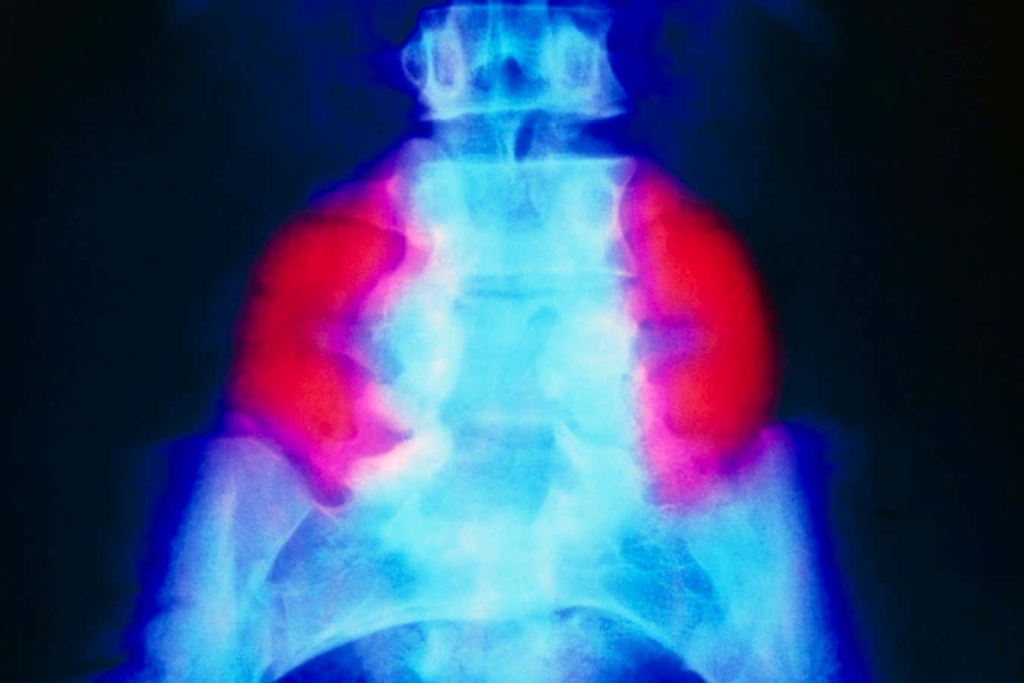
Revolutionary Stem Cell Patch Offers New Hope for Babies with Severe Spina Bifida
In a groundbreaking medical advancement that could transform the lives of thousands of families worldwide, researchers have successfully used a stem cell patch derived from donor placentas to treat fetuses in the womb with severe spina bifida. This world-first trial represents a significant leap forward in prenatal medicine, potentially offering improved outcomes for children born with this challenging congenital condition.
The trial, conducted by an international team of researchers led by Dr. Diana Farmer at the University of California, Davis, involved six pregnant women carrying fetuses diagnosed with myelomeningocele, the most severe form of spina bifida. This condition affects approximately 1 in every 2,800 births in the United States annually and occurs when a baby’s spine and spinal cord fail to develop properly during pregnancy.
For the families involved, the impact has been nothing short of life-changing. Take the case of 4-year-old Toby, whose mother shared her emotional journey: “When we received the diagnosis, we prepared ourselves for a future where Toby might never walk independently. We expected he would need a wheelchair for mobility. But today, Toby is thriving—he’s walking, running, jumping, and has achieved bladder control, which is remarkably rare for children with this condition.”
The innovative treatment builds upon traditional fetal surgery techniques but adds a crucial new element: a bioengineered patch containing stem cells harvested from donated human placentas. These cells are embedded within a matrix of sticky proteins that help secure the patch to the developing spinal tissue.
During the procedure, surgeons perform the standard operation to reposition the exposed spinal cord and surrounding tissue back into the vertebrae. Before closing the incision, they apply the stem cell patch directly to the repaired area. “The cells secrete their magic stem cell juice,” explains Dr. Farmer, referring to the growth factors and healing compounds these cells release to promote tissue regeneration and repair.
One of the most significant findings from the trial relates to a common complication called hindbrain herniation, which affected all six fetuses at the time of surgery. This condition occurs when excess fluid accumulates in the skull, forcing the cerebellum (the brain’s coordination center) to protrude through a hole at the base of the skull. While standard surgical intervention often helps reduce this herniation, many children still experience ongoing neurological complications.
The results from the stem cell patch trial are remarkable: MRI scans performed after birth showed complete reversal of hindbrain herniation in all six babies. Additionally, the surgical sites healed beautifully with no evidence of abnormal cell growth—a critical concern given the powerful regenerative properties of stem cells. “A key worry was that adding stem cells in a fetus would make the cells grow like crazy, but we didn’t see that,” notes Dr. Farmer.
The implications of this research extend far beyond the immediate surgical outcomes. Evidence from animal studies suggests that the stem cell patch may lead to better long-term functional outcomes compared to conventional treatment. Dr. Panicos Shangaris from King’s College London emphasizes, “My personal opinion is that this will improve long-term outcomes based on evidence from animal studies.”
Looking ahead, the research team plans to conduct a larger trial involving 35 fetuses with myelomeningocele. These patients will receive the stem cell patch treatment, and their outcomes will be compared against historical data from previous studies using conventional surgery alone. However, some experts, including Dr. Shangaris, advocate for a more rigorous approach: a randomized controlled trial directly comparing the two surgical methods in fetuses randomly assigned to each intervention. Such a design would provide the most compelling evidence for regulatory approval and widespread clinical adoption.
The use of placental stem cells offers several advantages over other potential sources. These cells are readily available from donated placentas that would otherwise be discarded after childbirth, making them an abundant and ethically sound resource. They also possess unique properties that make them particularly suitable for this application, including their ability to promote tissue repair without triggering immune rejection.
As this technology continues to develop, it represents a shining example of how regenerative medicine and fetal surgery can combine to address previously intractable congenital conditions. The success of this trial not only offers hope to families facing spina bifida diagnoses but also opens doors for similar approaches to other prenatal conditions.
The journey from laboratory research to clinical application has been long and challenging, requiring years of preclinical studies, careful ethical consideration, and meticulous surgical technique refinement. Now, with promising early results, this innovative approach may soon become a standard option for treating severe spina bifida, potentially enabling more children to walk, achieve independence, and live fuller lives than ever before.
For the families whose children have already benefited from this treatment, the impact is immeasurable. As medical science continues to push the boundaries of what’s possible, stories like Toby’s remind us of the profound difference that innovative research can make in real human lives—transforming what once seemed like an inevitable future of limitations into one filled with possibility and hope.
stemcells #medicalbreakthrough #fetalmedicine #spina bifida #prenatalcare #regenerativemedicine #pediatricresearch #medicalinnovation #birthdefects #neurosurgery #placentalstemcells #disabilityresearch #childhealth #medicaltrials #fetalintervention #neurodevelopment #birthdefecttreatment #stemcelltherapy #medicalresearch #pediatricneurosurgery #prenatalsurgery #birthdefectawareness #medicaladvancement #fetalhealth #neurologicaldisorders #stemcellpatch #medicaldiscovery #birthdefectprevention #pediatricmedicine #medicalprogress
“Transforming lives before birth” “A patch of hope” “Healing from the womb” “The future of fetal surgery” “Cellular miracles” “Breaking barriers in birth defects” “From laboratory to life-changing treatment” “Giving babies a better start” “Medical science meets human hope” “Revolutionizing treatment for spina bifida” “The power of placental cells” “Healing the unhealable” “A new chapter in prenatal care” “Giving mobility back to the next generation” “The stem cell solution” “Medical innovation at its finest” “Changing destinies before birth” “Hope grows from unexpected places” “The patch that changed everything” “From diagnosis to walking” “Medical breakthroughs that matter” “Giving families a different future” “The cellular approach to birth defects” “Healing potential unlocked” “A world-first in fetal medicine” “The promise of regenerative medicine” “Transforming tragedy into triumph” “The patch that heals” “Giving children a chance to walk” “Medical innovation meets human compassion”
,

Leave a Reply
Want to join the discussion?Feel free to contribute!