
Plaintiffs took 'unsupported leap' in lawsuit Apple hopes to get dismissed
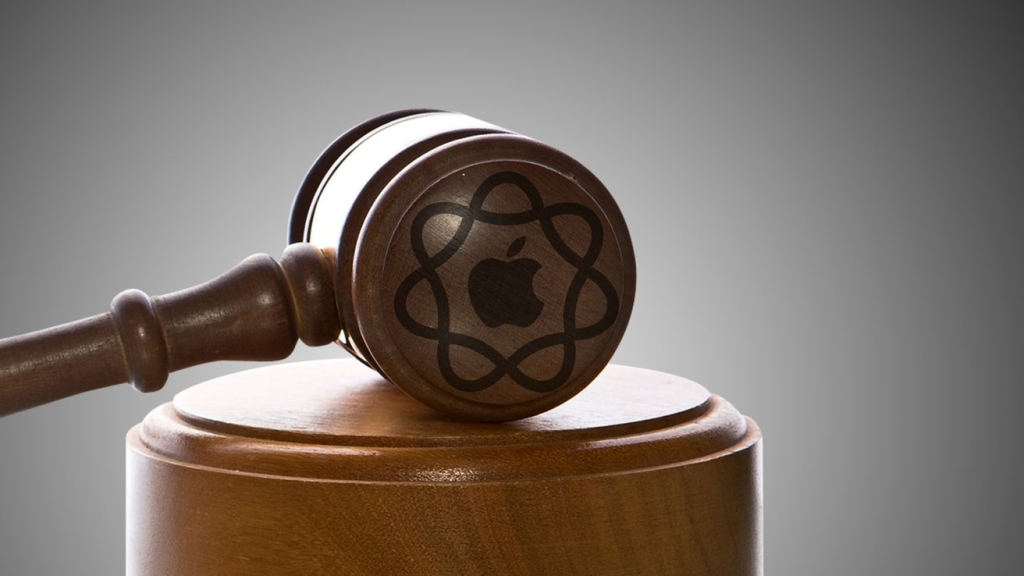
Apple Seeks Dismissal of Lawsuit Over AI Delays and Epic Injunction Response
In a significant legal maneuver, Apple Inc. has formally requested that a federal court dismiss a class-action lawsuit that accuses the tech giant of misleading investors about the timeline and capabilities of its artificial intelligence initiatives, particularly concerning Siri’s delayed upgrades. The lawsuit, which has drawn considerable attention in Silicon Valley and on Wall Street, alleges that Apple’s AI-related promises constitute securities fraud that cost shareholders billions in market value.
The legal action, filed by South Korea’s National Pension Service (NPS), represents one of several lawsuits targeting Apple’s recent AI strategy and communication with investors. The NPS, one of the world’s largest institutional investors, claims that Apple’s failure to deliver on promised Siri enhancements and the subsequent delays in rolling out more personalized AI features have directly contributed to substantial financial losses for shareholders.
Apple’s legal team has responded forcefully to these allegations, filing a motion to dismiss both counts of the lawsuit. In their filing, Apple’s attorneys argue that the claims are “unsubstantiated” and lack the concrete evidence necessary to support allegations of securities fraud. The company maintains that its communications about AI development have been transparent and that the delays in Siri’s evolution are part of the complex, iterative process inherent in developing cutting-edge artificial intelligence technology.
The lawsuit centers on Apple’s AI strategy announcements made during various product launches and investor calls over the past two years. Plaintiffs argue that Apple created unrealistic expectations about the timeline for delivering enhanced Siri capabilities, particularly those involving more personalized and context-aware interactions. When these features failed to materialize as promised, the company’s stock experienced volatility, allegedly causing financial harm to investors who had positioned themselves based on Apple’s forward-looking statements.
Apple’s defense strategy focuses on several key arguments. First, the company contends that its statements about AI development were appropriately qualified and accompanied by the necessary disclaimers about the uncertainties inherent in technological innovation. Second, Apple argues that the delays in Siri’s evolution are attributable to legitimate technical challenges rather than any intent to mislead investors. The company points to the complex nature of developing AI systems that can truly understand and respond to natural language in contextually appropriate ways.
The timing of this legal battle is particularly noteworthy, as it coincides with Apple’s broader push into artificial intelligence and machine learning across its product ecosystem. The company has been investing heavily in AI research and development, with initiatives spanning everything from on-device processing capabilities to cloud-based machine learning services. However, this investment has not always translated into timely product releases, leading to frustration among both consumers and investors.
The lawsuit also touches on Apple’s response to an injunction related to Epic Games, though the connection between these two issues remains somewhat unclear. Legal analysts suggest that Apple may be bundling these challenges together in its motion to dismiss, arguing that both counts suffer from similar evidentiary weaknesses and should be rejected on the same legal grounds.
Industry observers note that this lawsuit reflects broader tensions in the tech sector regarding AI development timelines and corporate communications about emerging technologies. Many companies have faced criticism for overpromising on AI capabilities, creating what some call an “AI hype cycle” that can lead to disappointment when reality fails to match expectations. Apple’s case may serve as a bellwether for how courts handle such disputes in an era where AI development is both critically important and notoriously difficult to predict.
The legal proceedings also highlight the growing scrutiny of tech companies’ disclosures to investors about their AI strategies. As artificial intelligence becomes increasingly central to corporate valuations and growth projections, the line between optimistic forecasting and material misrepresentation has become a focal point for securities regulators and plaintiff attorneys alike.
Apple’s request for dismissal comes at a time when the company is working to demonstrate its AI capabilities through various initiatives, including improvements to Siri, on-device machine learning enhancements, and integration of AI features across its operating systems. The outcome of this legal challenge could have significant implications for how tech companies communicate about their AI development efforts and manage investor expectations in the future.
The court’s decision on Apple’s motion to dismiss will likely come in the coming months, and legal experts are closely watching the case for potential precedents it might set regarding securities litigation in the technology sector. Regardless of the outcome, the lawsuit underscores the high stakes involved in AI development and the intense pressure on companies like Apple to deliver on their technological promises while maintaining transparency with investors.
If the court allows the lawsuit to proceed, it could force Apple to provide extensive documentation about its AI development processes, internal communications about Siri’s evolution, and the decision-making behind its public statements about AI capabilities. This discovery process could potentially reveal valuable insights into how one of the world’s most valuable companies approaches AI development and manages the gap between technological ambition and practical implementation.
The case also raises important questions about the appropriate balance between encouraging innovation and protecting investors from potentially misleading corporate communications. As AI continues to transform the technology landscape, courts and regulators will likely face increasing pressure to establish clearer guidelines for how companies should communicate about their AI development efforts and manage the inevitable uncertainties that accompany cutting-edge technological advancement.
#Apple #Siri #AI #ArtificialIntelligence #SecuritiesFraud #ClassAction #EpicGames #TechLawsuit #NationalPensionService #SiliconValley #InvestorRelations #TechIndustry #LegalNews #AppleInsider #TechNews #CorporateLaw #AI Hype #TechInnovation #CourtCase #AppleLegal,


Leave a Reply
Want to join the discussion?Feel free to contribute!