
Netflix backs out of Warner Bros. Discovery bidding war
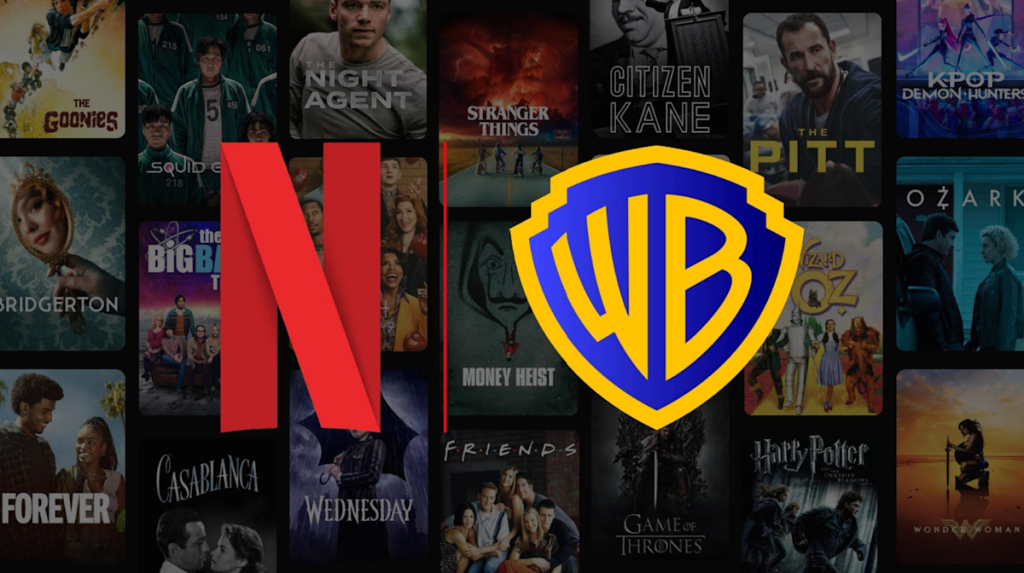
The Great Streaming Showdown: Netflix Bows Out of the Warner Bros. Discovery Acquisition Race
In a stunning turn of events that has sent shockwaves through the entertainment industry, Netflix has officially withdrawn from its high-stakes bid to acquire Warner Bros. Discovery (WBD), effectively ending a months-long acquisition saga that pitted the streaming giant against a formidable alliance of Paramount and Skydance. The dramatic conclusion to this corporate chess match leaves the future of WBD’s assets in the hands of David Ellison’s Paramount-Skydance consortium, marking a pivotal moment in the ongoing consolidation of Hollywood’s power structures.
The Final Countdown: A Deal Sealed in Four Business Days
The battle for Warner Bros. Discovery’s soul reached its climax when WBD’s board of directors determined that Paramount-Skydance’s latest proposal constituted a “superior” offer compared to Netflix’s existing merger agreement. This determination triggered a critical four-business-day window during which Netflix was given the opportunity to match or exceed the competing bid. However, in a move that surprised few industry analysts, Netflix declined to raise its offer, effectively conceding the acquisition to its rivals.
The decision by Netflix co-CEOs Ted Sarandos and Greg Peters to walk away from the deal was delivered in a statement that struck a balance between disappointment and strategic pragmatism. “We believe we would have been strong stewards of Warner Bros.’ iconic brands, and that our deal would have strengthened the entertainment industry and preserved and created more production jobs in the US,” the statement read. “But this transaction was always a ‘nice to have’ at the right price, not a ‘must have’ at any price.”
This carefully calibrated response reveals the underlying calculus that guided Netflix’s approach to the acquisition. While the streaming giant certainly coveted Warner Bros.’ extensive content library—including beloved franchises like Harry Potter, DC Comics, and Game of Thrones—the company’s leadership appears to have maintained a disciplined approach to valuation, unwilling to engage in a bidding war that could have stretched Netflix’s financial resources to the breaking point.
The Numbers Game: What’s at Stake Financially
The financial dimensions of this corporate drama are nothing short of staggering. Netflix’s initial offer valued WBD at approximately $82.7 billion, a figure that represented a significant premium over the company’s current market valuation. However, Paramount-Skydance’s superior proposal not only included a higher purchase price of $31 per WBD share but also crucially included a provision to cover the $2.8 billion termination fee that WBD would owe to Netflix for dissolving the existing merger agreement.
This termination fee provision represents a particularly clever negotiating tactic by Paramount-Skydance, effectively neutralizing one of Netflix’s key advantages in the bidding process. By agreeing to assume this liability, the Paramount-Skydance consortium effectively increased the net value of their offer by nearly $3 billion, a sum that would have otherwise come directly out of WBD’s coffers.
The financial implications of Netflix’s decision to walk away are significant. Rather than paying $82.7 billion to acquire the Warner Bros. portion of the operation, Netflix may now walk away with no new content but with an extra nearly $3 billion in its war chest. This unexpected windfall could be reinvested in content production, technology infrastructure, or returned to shareholders, providing Netflix with substantial flexibility in its future strategic planning.
The Road to This Moment: A Timeline of Corporate Drama
The path to this conclusion was anything but straightforward, marked by a series of dramatic twists and turns that kept industry observers on the edge of their seats. The saga began when Netflix first made its interest in WBD’s assets known, offering to acquire the Warner Bros. portion of the operation in a move that would have created one of the most formidable content libraries in the streaming wars.
However, Paramount-Skydance, led by the ambitious David Ellison, refused to let this opportunity slip away without a fight. In a bold move that caught many by surprise, the consortium launched a hostile takeover attempt of the entire Warner Bros. Discovery business, effectively broadening the scope of the acquisition battle from a focused purchase of Warner Bros. assets to a complete corporate takeover.
WBD initially rejected Paramount’s hostile bid, but the consortium’s persistence paid off as they returned with an updated proposal that proved increasingly difficult for WBD’s board to ignore. Over the following weeks, the involved parties engaged in a series of additional volleys, with each new offer pushing the boundaries of what seemed financially feasible.
The drama was further complicated by regulatory scrutiny, with the Department of Justice launching an investigation into whether Netflix had used anticompetitive tactics as part of its merger probe. This regulatory overhang added another layer of complexity to an already intricate negotiation process, potentially influencing the strategic calculations of all parties involved.
What This Means for the Streaming Wars
The conclusion of this acquisition battle carries significant implications for the broader streaming landscape and the future of entertainment consumption. For Netflix, the decision to walk away represents a strategic choice to maintain financial discipline rather than overextend in pursuit of content assets. This approach aligns with the company’s recent efforts to demonstrate profitability and sustainable growth to investors, suggesting that Netflix’s leadership believes the company can compete effectively in the streaming wars without Warner Bros.’ content library.
For Paramount-Skydance, the potential acquisition of WBD represents a bold gamble that could dramatically reshape the entertainment industry’s competitive landscape. If successful, the combined entity would control an impressive array of content franchises, production capabilities, and distribution channels, potentially creating a formidable competitor to both Netflix and Disney in the streaming space.
The outcome also raises questions about WBD’s future strategic direction. With the company now seemingly committed to a path forward with Paramount-Skydance, WBD’s leadership will need to navigate the complex process of regulatory approval and integration planning. The success of this merger could determine whether WBD can effectively compete in an increasingly consolidated media landscape or whether it will struggle to find its footing amid industry-wide transformations.
Industry Reactions and Future Implications
The entertainment industry’s reaction to this development has been mixed, with some analysts praising Netflix’s disciplined approach to valuation while others question whether the company missed a crucial opportunity to strengthen its content library at a critical moment in the streaming wars. Content creators and production professionals have expressed both hope and concern about the potential consolidation of creative assets under fewer corporate umbrellas.
Looking ahead, the successful completion of the Paramount-Skydance acquisition would likely trigger further consolidation in the media industry, as remaining independent players reassess their competitive positioning. The streaming wars, already characterized by intense competition and massive content investments, may enter an even more volatile phase as companies with expanded content libraries seek to leverage their new advantages.
Moreover, the regulatory scrutiny that accompanied this acquisition battle suggests that government agencies are increasingly focused on the concentration of media power and its potential impact on competition, content diversity, and consumer choice. The outcome of any regulatory review of the Paramount-Skydance deal could set important precedents for future media mergers and acquisitions.
The Human Element: What’s at Stake for Creatives
Beyond the boardroom machinations and financial calculations, this corporate drama carries profound implications for the thousands of creative professionals who work within these organizations. The potential consolidation of Warner Bros. Discovery under Paramount-Skydance’s control could lead to significant changes in creative direction, production priorities, and employment structures across multiple studios and production facilities.
For writers, directors, actors, and crew members, the uncertainty surrounding these corporate changes creates both anxiety and opportunity. While consolidation often leads to cost-cutting measures and streamlined operations, it can also create new avenues for creative collaboration and resource allocation that might not have existed under separate corporate structures.
The preservation and creation of production jobs, mentioned in Netflix’s statement, highlights the broader economic and cultural impact of these corporate decisions. The entertainment industry remains a significant employer and cultural force, and the outcome of these acquisition battles will shape not only which stories get told but also who gets to tell them and under what conditions.
Tags (Viral Keywords):
-
StreamingWars
-
NetflixVsParamount
-
HollywoodTakeover
-
WarnerBrosDiscovery
-
CorporateDrama
-
MediaConsolidation
-
ContentLibrary
-
StreamingGiants
-
EntertainmentIndustry
-
TechNews
-
BusinessBattle
-
HollywoodMergers
-
NetflixAcquisition
-
ParamountSkydance
-
DavidEllison
-
TedSarandos
-
GregPeters
-
MediaMonopoly
-
ContentWars
-
StreamingStrategy
Viral Sentences:
- “Netflix walks away from $82.7 billion Warner Bros. Discovery deal”
- “Paramount-Skydance wins the corporate battle for Warner Bros.”
- “The streaming wars just got a major shakeup”
- “Netflix chooses financial discipline over content empire”
- “Hollywood’s biggest acquisition saga reaches shocking conclusion”
- “David Ellison’s bold gamble pays off in entertainment industry”
- “The future of DC Comics and Harry Potter hangs in the balance”
- “Streaming giants reshuffle the deck in multibillion-dollar poker game”
- “What Netflix’s retreat means for the future of entertainment”
- “The $2.8 billion termination fee that changed everything”
- “How one hostile takeover attempt reshaped Hollywood”
- “Netflix’s ‘nice to have’ vs Paramount’s ‘must have’ mentality”
- “The regulatory scrutiny that could make or break the deal”
- “Creative communities brace for impact as studios consolidate”
- “From Game of Thrones to Harry Potter: What’s at stake in the merger”
- “The human cost of corporate entertainment consolidation”
- “Streaming wars escalate as content libraries become king”
- “Netflix’s war chest grows by $3 billion as it walks away”
- “Hollywood’s power structures face seismic shift”
- “The acquisition battle that kept the entertainment world guessing”
,

Leave a Reply
Want to join the discussion?Feel free to contribute!