
Anthropic refuses Pentagon’s new terms, standing firm on lethal autonomous weapons and mass surveillance
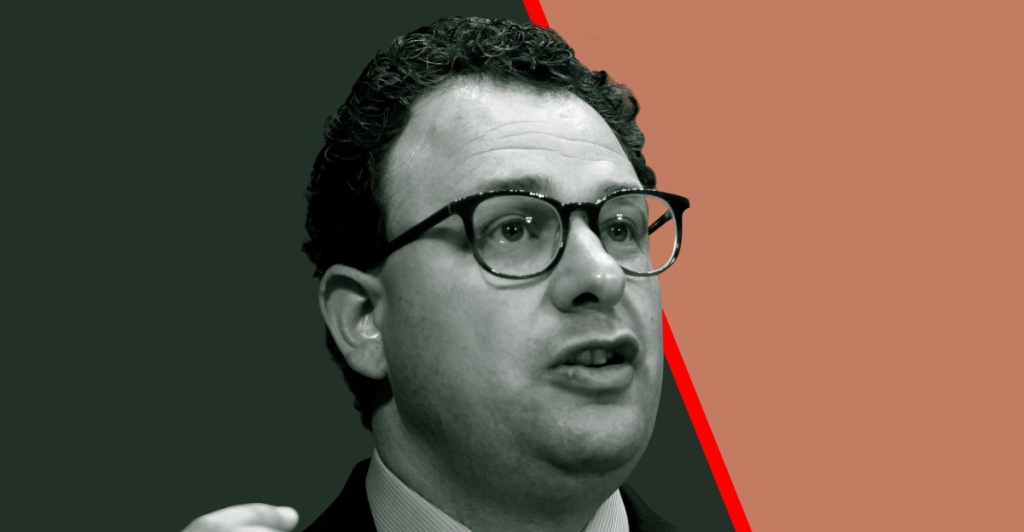
Anthropic Defies Pentagon Ultimatum in High-Stakes AI Ethics Showdown
In a dramatic escalation of tensions between Silicon Valley and Washington, AI safety pioneer Anthropic has publicly refused a 24-hour ultimatum from the Pentagon, setting the stage for what could become one of the most consequential standoffs in the history of artificial intelligence development.
The confrontation represents a fundamental clash between military imperatives and AI safety principles, with Anthropic CEO Dario Amodei drawing a firm line against two specific military applications: mass domestic surveillance and fully autonomous weapons systems that operate without human oversight.
The Ultimatum That Shook the Tech World
Defense Secretary Pete Hegseth’s personal intervention in the dispute signals how seriously the Pentagon views access to cutting-edge AI systems. According to multiple sources, Hegseth summoned Amodei to the White House earlier this week for direct negotiations, issuing what sources describe as an uncompromising demand: accept the military’s expanded terms by Friday’s deadline or face severe consequences.
The Pentagon’s position centers on renegotiating existing contracts with all major AI laboratories, seeking unrestricted access to their models for military applications. While OpenAI and xAI have reportedly agreed to the new terms, Anthropic’s resistance has created a fissure in the AI industry’s relationship with the defense establishment.
Anthropic’s Principled Stand
In a carefully worded statement released Thursday evening, Amodei articulated a nuanced position that attempts to balance national security concerns with ethical boundaries. “I believe deeply in the existential importance of using AI to defend the United States and other democracies, and to defeat our autocratic adversaries,” he wrote, emphasizing Anthropic’s commitment to supporting legitimate military applications.
However, the CEO drew a clear distinction between acceptable and unacceptable uses of AI technology. Anthropic has maintained two inviolable principles: refusing to enable mass surveillance of American citizens and declining to provide AI systems capable of operating lethal weapons without human oversight.
The company’s position reflects growing concerns within the AI safety community about the potential for autonomous systems to make life-or-death decisions without human intervention. Amodei acknowledged that “partial autonomous weapons… are vital to the defense of democracy” and suggested that fully autonomous weapons might eventually become necessary for national defense. However, he argued that current AI systems lack the reliability required for such critical applications.
Pentagon’s Retaliatory Measures
The Department of Defense has not taken Anthropic’s defiance lightly. Reports indicate that the Pentagon has already begun assessing the extent to which major defense contractors rely on Anthropic’s Claude AI system. This preliminary investigation appears to be the first step toward potentially designating Anthropic as a “supply chain risk” – a classification that could effectively blacklist the company from government contracts and partnerships.
The supply chain risk designation is particularly significant because it’s typically reserved for companies that pose genuine threats to national security, such as those with ties to foreign adversaries or those whose technologies could be compromised. Applying this label to Anthropic would represent an unprecedented move against a company that has actively sought to collaborate with the military on many fronts.
Furthermore, the Pentagon has reportedly considered invoking the Defense Production Act, a powerful tool that could compel Anthropic to comply with military demands. This act, originally passed during the Korean War, gives the government broad authority to direct private companies in matters of national defense.
Industry-Wide Implications
The standoff between Anthropic and the Pentagon extends far beyond the immediate dispute, raising fundamental questions about the relationship between AI development and military applications. The incident highlights the growing tension between the tech industry’s traditional libertarian ethos and the government’s need for advanced technological capabilities.
OpenAI and xAI’s willingness to accept the Pentagon’s terms creates a stark contrast with Anthropic’s position, potentially giving those companies a significant advantage in securing lucrative government contracts. However, it also raises questions about whether these companies are compromising their ethical principles for financial gain.
The dispute also underscores the unique position that Anthropic has carved out in the AI landscape. Founded by former OpenAI researchers who prioritized safety and ethical considerations, the company has consistently positioned itself as a responsible alternative in an industry often criticized for prioritizing speed over safety.
Technical and Strategic Considerations
From a technical perspective, the Pentagon’s demands raise complex questions about AI reliability and accountability. Fully autonomous weapons systems require AI models that can make split-second decisions in unpredictable environments, often with incomplete information. Current AI systems, including Anthropic’s Claude, still struggle with consistency and reliability in many applications.
The issue of mass surveillance presents different but equally complex challenges. AI systems capable of monitoring vast amounts of data could potentially infringe on civil liberties and privacy rights, even when deployed with ostensibly legitimate purposes. Anthropic’s refusal to enable such applications reflects broader concerns about the potential for AI to be used as a tool of oppression.
The Path Forward
Despite the heated rhetoric and high-stakes posturing, Amodei’s statement suggests a potential path forward. He pledged to work with the Department of Defense to ensure a smooth transition to alternative providers if the Pentagon decides to sever ties with Anthropic. This gesture indicates that while the company is unwilling to compromise its core principles, it remains committed to supporting the military in ways that align with its ethical framework.
The coming weeks will be critical in determining whether this standoff represents a temporary disagreement or a fundamental shift in the relationship between AI companies and the defense establishment. The outcome could influence how other AI companies navigate similar demands and potentially reshape the landscape of military AI development.
Broader Context and Future Implications
This confrontation occurs against the backdrop of intensifying global competition in AI development, particularly with China. The U.S. government views AI supremacy as crucial to maintaining military and economic advantages, making access to the best AI systems a matter of national security.
However, the incident also reflects growing public concern about the ethical implications of AI development. As AI systems become more powerful and pervasive, questions about appropriate limitations and safeguards become increasingly urgent. Anthropic’s stance represents one vision of how to balance innovation with responsibility, even at the cost of lucrative government contracts.
The standoff also highlights the unique challenges faced by AI companies in navigating between commercial interests, ethical considerations, and government demands. Unlike traditional defense contractors, AI companies often have roots in academic research and startup culture, where different values and priorities prevail.
Conclusion
As the deadline passes without Anthropic’s capitulation, the tech industry watches closely to see how the Pentagon will respond. Will this be remembered as a principled stand that helped establish important ethical boundaries for AI development, or as a costly miscalculation that ceded ground to less scrupulous competitors?
What’s clear is that the confrontation between Anthropic and the Pentagon represents a pivotal moment in the evolution of AI technology and its role in society. The outcome will likely influence not just the future of military AI applications, but the broader trajectory of AI development and its integration into critical aspects of modern life.
The coming days may bring escalation, compromise, or a prolonged standoff, but regardless of the immediate outcome, this confrontation has already highlighted the complex ethical terrain that AI companies must navigate as they develop technologies with the potential to reshape warfare, surveillance, and human decision-making itself.
Tags and Viral Phrases
Anthropic refuses Pentagon ultimatum
Dario Amodei stands firm against Defense Secretary
AI ethics battle with the military
No to mass surveillance and killer robots
Tech company defies government demands
Claude AI faces government blacklist
Defense Production Act threatened against AI firm
Silicon Valley vs Washington showdown
Autonomous weapons debate intensifies
AI safety vs national security
White House meeting over AI restrictions
Tech ethics cost billions in contracts
Military AI development reaches breaking point
AI company draws red lines
Pentagon supply chain risk designation
AI industry split on military cooperation
Ethics over profits in AI development
Future of warfare technology questioned
Government overreach in AI regulation
Tech leaders face impossible choices
,

Leave a Reply
Want to join the discussion?Feel free to contribute!