
Removable Batteries In Mobile Phones May Be Making A Comeback
The Return of Removable Batteries: How the EU’s Bold Move Could Reshape the Smartphone Industry
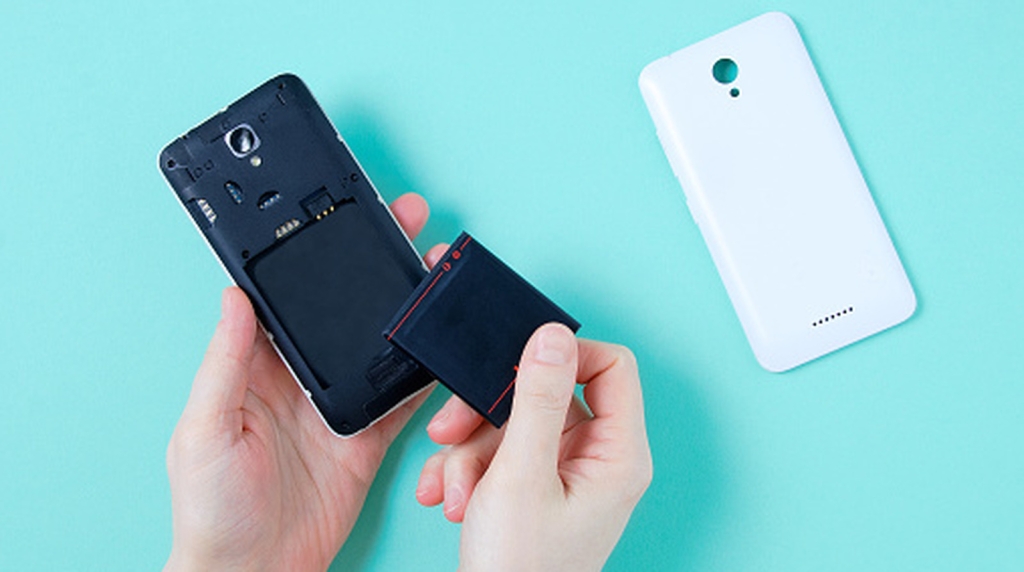
In a groundbreaking shift that could redefine the future of mobile technology, the European Union (EU) has introduced new legislation requiring all smartphones sold in its member states to feature removable batteries by February 18, 2027. This move, aimed at reducing electronic waste and promoting sustainability, marks a significant departure from the sleek, sealed designs that have dominated the market for over a decade. But what does this mean for consumers, manufacturers, and the global smartphone industry? Let’s dive into the details.
A Blast from the Past: The Rise and Fall of Removable Batteries
Once a staple of early mobile phones, removable batteries were phased out in the mid-2010s as manufacturers prioritized slim, waterproof designs. Iconic devices like the iPhone 6 and Samsung Galaxy S6 ushered in an era of sealed backs, sleek aesthetics, and improved durability. These changes were driven by advancements in lithium-ion battery technology, which offered longer lifespans and greater efficiency, reducing the need for frequent replacements.
However, the EU’s new legislation is set to turn back the clock. By mandating removable batteries, the EU aims to extend the lifespan of devices, reduce electronic waste, and empower consumers to repair and replace components without discarding entire phones. This move aligns with the EU’s broader push for sustainability and right-to-repair initiatives, which have gained traction in recent years.
What the EU’s Legislation Entails
The EU’s rules are comprehensive and forward-thinking. Here’s what they require:
- User-Replaceable Batteries: Smartphones must have batteries that can be safely removed and replaced by users without specialized tools.
- Non-Proprietary Standards: Replacement batteries must meet the device’s technical specifications but cannot be restricted to manufacturer-branded options. This opens the door for third-party battery manufacturers to enter the market.
- Extended Availability: Replacement batteries must be available for 5 to 7 years after a device’s production ends, ensuring long-term support for older models.
- Sustainability Goals: By enabling users to replace batteries, the EU aims to reduce electronic waste and promote a circular economy.
The Pros and Cons of Removable Batteries
Pros:
- Extended Device Lifespan: Users can replace worn-out batteries, prolonging the life of their devices.
- Cost Savings: Replacing a battery is often cheaper than buying a new phone.
- Environmental Impact: Reducing electronic waste aligns with global sustainability goals.
- User Empowerment: Consumers gain more control over their devices, fostering a culture of repair and reuse.
Cons:
- Design Trade-offs: Removable batteries require thicker cases and additional safety features, potentially compromising the sleek, modern designs users have come to expect.
- Waterproofing Challenges: Sealed designs offer better water resistance, which may be harder to achieve with removable batteries.
- Market Disruption: Manufacturers may face increased costs and logistical challenges in redesigning their products to comply with EU regulations.
Global Implications: Will the Rest of the World Follow Suit?
As of now, the EU’s regulations only apply to its member states. However, the EU has a history of influencing global tech standards, as seen with the widespread adoption of USB-C ports. Major manufacturers like Apple, Samsung, and Google may face pressure to adopt removable batteries worldwide, even if it’s not legally required in other regions.
For U.S. consumers, the impact remains uncertain. While the EU’s rules could drive innovation and sustainability in the global market, American users may not see these changes unless manufacturers choose to implement them universally.
What’s Next for the Smartphone Industry?
The EU’s legislation is a bold step toward a more sustainable and user-friendly tech ecosystem. However, it also presents challenges for manufacturers, who must balance compliance with consumer expectations for sleek, high-performance devices. The next few years will be critical as companies unveil new models that meet these standards while maintaining their competitive edge.
For now, the return of removable batteries is a reminder that sometimes, progress means looking to the past. Whether this move will spark a global trend or remain a regional experiment remains to be seen. One thing is certain: the smartphone industry is on the cusp of a significant transformation, and the EU is leading the charge.
Tags: removable batteries, smartphone design, EU legislation, sustainability, right to repair, electronic waste, mobile technology, battery replacement, tech industry, innovation, environmental impact, global standards, consumer empowerment, USB-C, iPhone, Samsung, Google, Apple, circular economy.
Viral Phrases: “The EU is turning back the clock on smartphone design,” “Removable batteries are making a comeback—here’s why,” “Is this the end of sleek, sealed smartphones?” “How the EU’s bold move could reshape the tech industry,” “The future of smartphones is… removable?” “Why your next phone might look like it’s from 2010,” “Sustainability meets technology: The EU’s game-changing decision,” “Are removable batteries the key to reducing e-waste?” “The smartphone industry is about to get a major upgrade—or downgrade?” “What the EU’s new rules mean for your next iPhone or Android device.”
,

Leave a Reply
Want to join the discussion?Feel free to contribute!