
Google Translate can finally decode “raining cats and dogs”
Google Translate Just Got a Major AI Upgrade — Here’s What It Means for You
Google Translate is no longer just a word-for-word swap machine. A major new update rolling out today harnesses the power of Gemini AI to help you crack the code on idioms, slang, and those maddeningly untranslatable phrases that trip up even seasoned language learners.
Forget robotic, literal translations. This update is all about context, nuance, and making you sound like a human—not a dictionary—in another language.
The Problem: Idioms Don’t Translate Literally (and It’s Annoying)
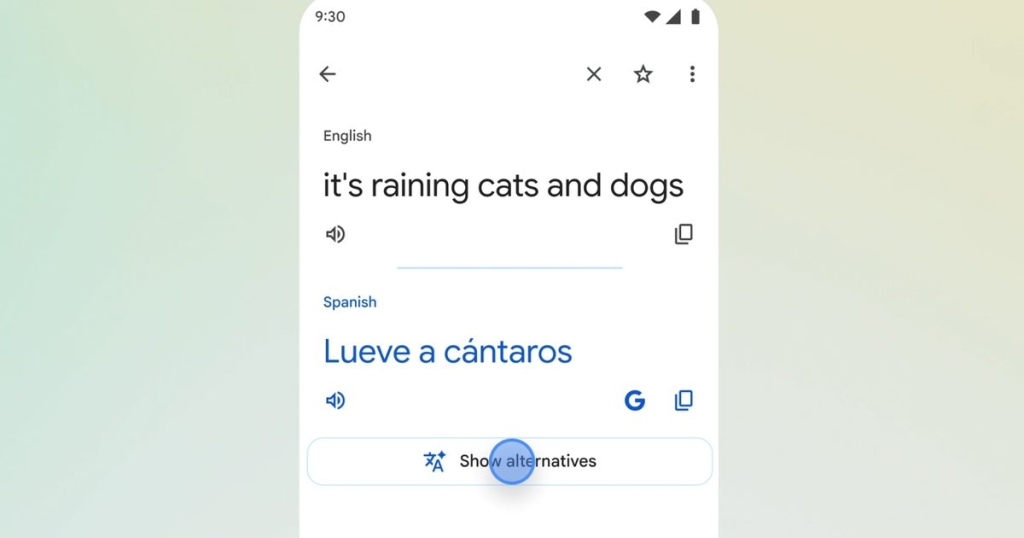
If you’ve ever typed “It’s raining cats and dogs” into Google Translate and gotten a confused jumble of words, you’re not alone. Idioms, regional slang, and casual expressions have long been the Achilles’ heel of machine translation. They often come out sounding stiff, awkward, or just plain wrong.
Google’s solution? Instead of swapping words, the app now offers alternative phrasings and explains the context behind them. The goal is to help you find the right way to say something—whether you’re texting a friend or prepping for a high-stakes business meeting.
How It Actually Works: AI-Powered Language Guidance
When you translate a tricky phrase, you’ll now see helpful alternatives powered by Gemini’s multilingual smarts. For example, “It’s raining cats and dogs” might be offered alongside “It’s pouring outside” or “It’s raining heavily,” each with a quick tip on when and why to use it.
Want to dig deeper? Tap “understand” for a clear overview of the phrase’s nuance. Need more detail? Hit “ask” to follow up with specific questions—like how to say something in a particular country or dialect. The AI tries to handle those follow-ups too, making the experience feel more like chatting with a language tutor than using a basic translator.
Why Tone and Context Matter More Than Ever
Literal translations often strip away personality, turning casual jokes into robotic statements and making informal chats feel stiff. Google is betting that people want more than just dictionary definitions—they want to sound like themselves, even in another language.
This shift is timely. More workers and travelers now rely on translation apps for real conversations. A phrase that works in a business meeting might bomb at a dinner table. By showing you alternatives and explaining their use, the update tries to bridge that gap.
Where to Try It and What’s Next
The new tools are live now in the Google Translate app for Android and iOS, but only in the US and India for the moment. Google hasn’t shared a precise date for the web rollout yet, but says it’s coming soon to desktop browsers.
For now, you can test it by searching for phrases that never translate cleanly—idioms, regional slang, and colloquial expressions should trigger the new options. If you’re outside the launch regions or waiting on the web version, expect the update to hit your device in the coming weeks. Google is pushing Translate toward more human-sounding results, and this feels like just the start.
Tags: Google Translate, Gemini AI, language learning, idioms, slang, translation app, AI update, context-aware translation, multilingual, Google, tech news
Viral Sentences:
- Google Translate just got a major AI upgrade—say goodbye to awkward translations!
- Now you can finally sound like a human, not a dictionary, in any language.
- Google’s new AI feature makes idioms and slang actually make sense.
- Translate is evolving from a blunt tool into a true language guide.
- This update is all about helping you sound like yourself—even in another language.
- Google Translate’s new AI tools are rolling out now—don’t miss out!
- From “raining cats and dogs” to “it’s pouring,” Google’s got you covered.
- The future of translation is here—and it’s powered by Gemini AI.
- Say goodbye to robotic translations and hello to real conversations.
- Google Translate’s new update is a game-changer for language learners everywhere.
,


Leave a Reply
Want to join the discussion?Feel free to contribute!