
Pretty and Practical: 7 Plants That Keep Bugs Out of the House
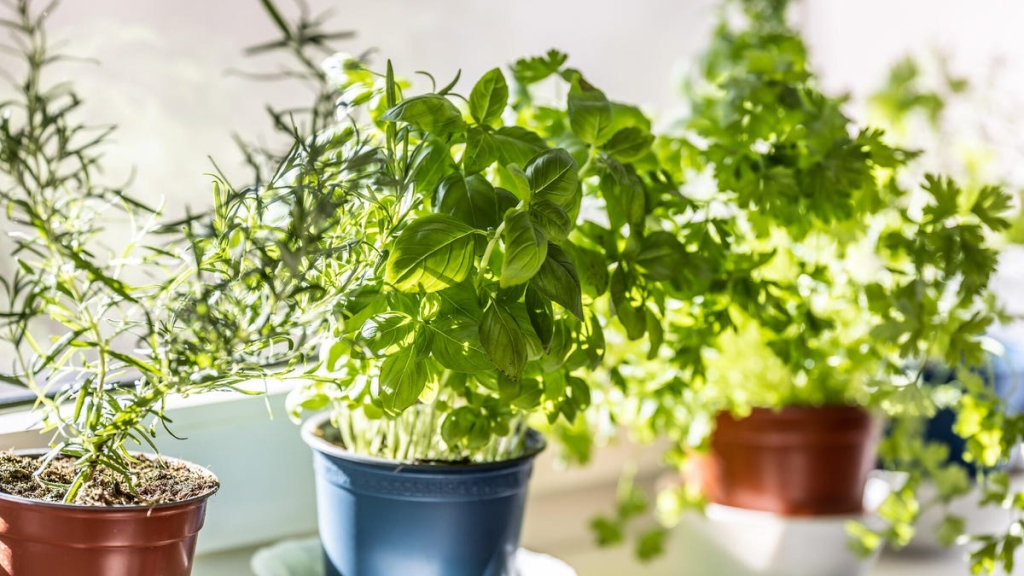
The Ultimate Bug-Repelling Kitchen Garden: 7 Plants That Will Make Pests Flee in Terror
Tired of sharing your kitchen with unwanted six-legged guests? Before you reach for chemical warfare, consider this game-changing approach: plants that naturally repel bugs while adding beauty and functionality to your space.
7 Natural Pest Deterrents Worth Keeping Around
1. Herbs – The Culinary Bug Zappers
Basil, mint, sage, and rosemary don’t just elevate your cooking—they’re nature’s bug repellent system. These potent herbs emit scents that make flies, mosquitoes, and aphids think twice about invading your space.
Pro Tip: Line a sunny kitchen window with these dual-purpose powerhouses. You’ll enjoy fresh herbs year-round without supermarket price tags, and the bugs? They’ll be checking out your neighbor’s kitchen instead.
Bug-fighting lineup:
- Basil: Flies and mosquitoes
- Mint: Ants, flies, mosquitoes, aphids (and even mice!)
- Lavender: Moths, flies, fleas, mosquitoes
- Rosemary: Mosquitoes and flies
- Lemongrass: Mosquitoes (contains citronella)
- Chives/Garlic: Aphids and Japanese beetles
2. Marigold – The Golden Guardian
Don’t let their cheerful appearance fool you—marigolds are gnat- and midge-fighting beasts. These orange and yellow warriors emit a distinct, powerful odor that sends insects running for cover.
Best part? They’re incredibly low-maintenance and grow quickly, making them perfect for indoor cultivation.
3. Lavender – Beauty and the Beast (for Bugs)
Lavender’s calming properties help us drift to sleep, but for moths and beetles? It’s their worst nightmare. Snip a few purple stems and create an elegant bouquet that doubles as a bug deterrent.
4. Catnip – Not Just for Cats
While your feline friend experiences euphoria, roaches and mosquitoes have the opposite reaction. Scientists discovered that catnip contains an active component that triggers the chemical receptor in insects causing pain and itchiness.
Translation: When insects feel discomfort, they retreat and never return to the source of suffering.
5. Chrysanthemum – The Insect Assassin
This popular flower’s hit list is extensive: roaches, ants, silverfish, lice, bed bugs, and mites. Just keep them away from pets, as they can be toxic when ingested.
6. Citronella Plant – The Mosquito’s Nemesis
Citronella is widely available in candle form, but the plant form is equally effective at deterring bugs. Place potted citronella plants in your kitchen and plant some outdoors for a bite-free summer.
7. Carnivorous Plants – The Hungry Heroes
Lean into the obvious choice with the endlessly entertaining Venus flytrap. These plants lure unsuspecting prey with scents mimicking delicious fruits and flowers. Once triggered, their leaves snap shut and reopen 10 days after complete digestion.
Reality check: You’ll need many carnivorous plants to tackle swarms, but they’re perfect for the occasional fly or two.
The Bottom Line
These plants, flowers, and herbs make wonderful (and natural!) additions to your kitchen pest management plan. They’re delicious, beautiful, and effective.
Still not convinced? Try all-natural alternatives like coffee grounds, essential oils, banana peels, white vinegar, and onions—each proven to stave off infestations when left on kitchen counters.
For more bug-fighting strategies: Discover which plants are easiest to keep alive and explore the best places to buy plants online.
Tags: bug repellent plants, natural pest control, kitchen garden, herbs that repel insects, mosquito repellent plants, carnivorous plants, indoor gardening, pest management, home remedies for bugs, organic pest control
Viral Phrases: “plants that make pests flee in terror,” “nature’s bug repellent system,” “the insect assassin,” “the hungry heroes,” “gnat-fighting beasts,” “the golden guardian,” “the mosquito’s nemesis,” “the culinary bug zappers,” “the ultimate bug-repelling kitchen garden”
,


Leave a Reply
Want to join the discussion?Feel free to contribute!