
AI Finds Life Shortening Hormone Disorder Using Only Hand Photos
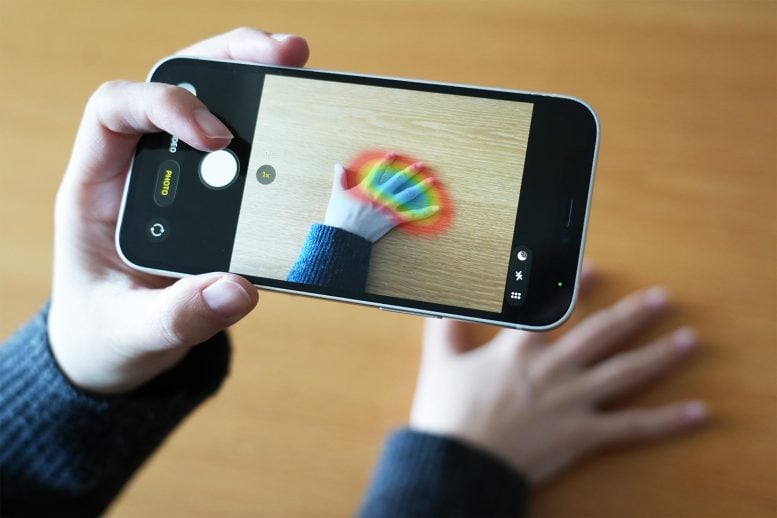
In a remarkable fusion of artificial intelligence and medical diagnostics, researchers at Kobe University have unveiled a privacy-conscious AI system capable of detecting a rare but life-threatening hormone disorder—acromegaly—using nothing more than a photograph of a person’s hand. This pioneering approach, which analyzes images of the back of the hand and a clenched fist, represents a breakthrough in both early disease detection and patient privacy.
Acromegaly is a rare endocrine disorder caused by excessive growth hormone production, usually due to a benign tumor on the pituitary gland. If left untreated, it can lead to severe complications such as cardiovascular disease, diabetes, and a significantly shortened lifespan. Early diagnosis is crucial, yet symptoms often develop gradually, making the condition difficult to identify in its initial stages.
Traditional diagnostic methods typically involve blood tests, imaging, and clinical evaluations, which can be invasive and time-consuming. However, the AI system developed by the Kobe University team offers a non-invasive, rapid, and highly accurate alternative. By focusing solely on hand images—avoiding the use of facial photographs to protect patient privacy—the system can detect subtle physical markers associated with acromegaly, such as changes in hand size, shape, and skin texture.
The technology leverages deep learning algorithms trained on a vast dataset of hand images from both healthy individuals and those diagnosed with acromegaly. The AI identifies patterns and anomalies that may be imperceptible to the human eye, providing a powerful tool for early screening. This method not only streamlines the diagnostic process but also democratizes access to specialized medical expertise, especially in regions with limited healthcare resources.
Privacy was a central concern in the development of this system. By excluding facial images, the researchers minimized the risk of inadvertently capturing identifiable biometric data, thereby enhancing patient confidentiality. This design choice reflects a growing awareness within the tech and medical communities of the importance of ethical AI deployment.
The implications of this innovation extend beyond acromegaly. The success of this approach suggests that similar AI models could be developed to detect other conditions using simple, non-invasive imaging techniques. As AI continues to evolve, its potential to revolutionize healthcare—making diagnosis faster, more accurate, and more accessible—becomes increasingly evident.
Moreover, the system’s reliance on widely available technology, such as smartphones, means that it could be deployed at scale, enabling widespread screening programs. This could lead to earlier interventions, improved patient outcomes, and reduced healthcare costs.
In summary, the AI system developed by Kobe University represents a significant leap forward in medical diagnostics. By combining cutting-edge artificial intelligence with a commitment to patient privacy, the researchers have created a tool that not only enhances the detection of acromegaly but also sets a new standard for ethical and effective healthcare technology.
Tags and Viral Phrases:
AI detects hormone disorder from hand photos
Privacy-first medical AI
Kobe University breakthrough
Non-invasive acromegaly diagnosis
AI hand image analysis
Early detection of rare diseases
AI in healthcare innovation
Medical AI without facial recognition
Smartphone-based health screening
AI revolutionizes endocrine disorder diagnosis
Ethical AI in medicine
Cutting-edge medical technology
AI for life-threatening conditions
Healthcare accessibility through AI
Future of diagnostic medicine
AI-powered disease screening
Protecting patient privacy with AI
Groundbreaking medical research
AI transforms rare disease detection
Next-gen healthcare diagnostics
AI and patient confidentiality
Medical imaging with deep learning
AI for early disease intervention
AI in endocrinology
Non-invasive health monitoring
AI and rare disease awareness
AI diagnostic accuracy
Medical AI for global health
AI-powered health equity
Future of AI in medicine
,

Leave a Reply
Want to join the discussion?Feel free to contribute!