
What’s an E-Bike? California Wants You to Know
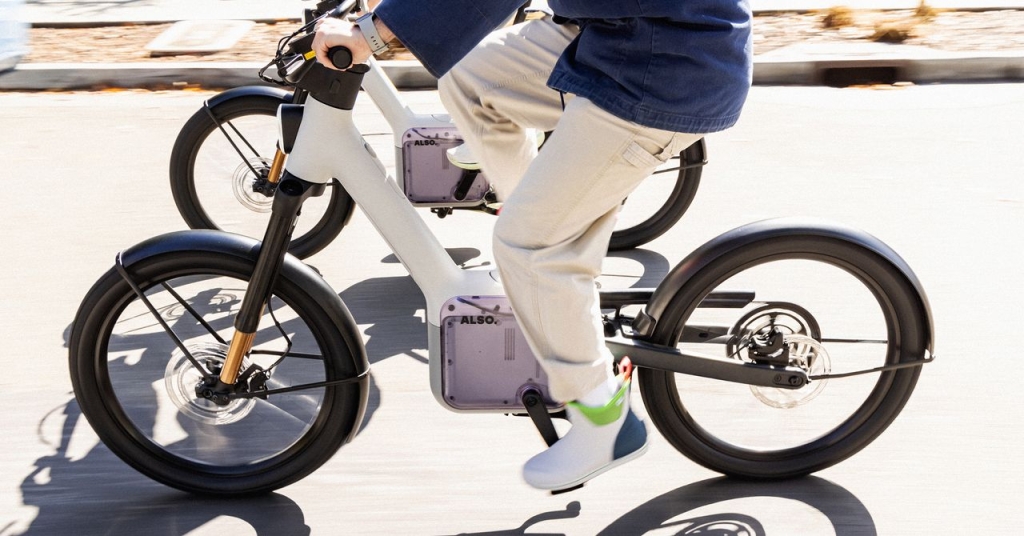
E-Bikes or E-Motos? California Debates New Rules as Teen Injuries Surge
In a quiet Pasadena bike shop, a seemingly routine repair request recently exposed a growing crisis at the intersection of transportation innovation and public safety. Daniel Purnell, manager at Pasadena Cyclery, recalls a family bringing in what they believed was their teenager’s electric bicycle for servicing. His response stunned them: “I can’t fix that here. That’s a motorcycle.”
The mother’s confusion reflected a widespread misunderstanding about the capabilities of modern electric two-wheelers. What appeared to be a standard e-bike could actually reach speeds approaching 55 miles per hour—far beyond what most parents expect when purchasing what they assume is a simple electric bicycle for their children.
This incident highlights a critical gap in public awareness that California lawmakers are now racing to address through Senate Bill 1167, sponsored by state Senator Catherine Blakespear, a Democrat representing parts of San Diego’s North County. The legislation aims to clarify the murky distinction between legitimate electric bicycles and their more powerful, potentially dangerous counterparts.
The Safety Crisis Mounting
The numbers paint a troubling picture. Nationwide, e-bike-related injuries have skyrocketed by over 1,020 percent between 2020 and 2024, according to hospital data analyzed by transportation researchers. While some of this increase may reflect growing popularity, the sheer magnitude suggests deeper issues with how these vehicles are classified, marketed, and regulated.
What makes the statistics particularly concerning is the difficulty in distinguishing between traditional e-bikes and “e-motos”—vehicles that blur the line between bicycles and motorcycles. Moped and powered-assisted cycle injuries also rose by 67 percent during the same period, suggesting a broader pattern of confusion and risk.
Teenagers bear a disproportionate share of these injuries. Those aged 17 and younger accounted for 20 percent of U.S. e-bike injuries from 2020 to 2024, roughly proportional to their share of the population. However, the severity of these incidents has drawn disproportionate attention, with several high-profile accidents and fatalities involving young riders pushing the issue to the forefront of legislative agendas.
The Three-Class System: A Patchwork Solution
Currently, the United States lacks comprehensive federal regulations governing e-bike usage. Instead, advocates have worked state by state to implement a three-class system:
- Class 1: Pedal-assist only, with motor assistance cutting off at 20 mph
- Class 2: Throttle-controlled, also limited to 20 mph
- Class 3: Pedal-assist up to 28 mph
This classification system has been adopted by numerous states and municipalities, often with age restrictions on the most powerful Class 3 bikes. However, the system’s effectiveness is undermined by vehicles that don’t fit neatly into any category, particularly those marketed as “electric bikes” but possessing motorcycle-level capabilities.
Research conducted at 19 San Francisco Bay Area middle and high schools revealed the scope of the problem: 88 percent of electric two-wheeled devices found on campus exceeded the power and speed limits of the three-class system. These vehicles, often purchased online or through social media advertisements, represent a significant blind spot in current regulations.
The E-Moto Problem
The core issue, according to bike advocates, isn’t traditional e-bikes but rather “e-motos”—vehicles that combine bicycle-like appearances with motorcycle-level performance. Models like the Surron Ultra Bee, capable of reaching 55 mph, or the Tuttio ICT, which can hit 50 mph, are frequently marketed as “electric bikes” despite their vastly different capabilities and safety requirements.
These vehicles often lack the safety features, licensing requirements, and insurance mandates that apply to motorcycles, creating a dangerous gray area. Parents purchasing what they believe to be a simple e-bike for their teenager may be unknowingly providing access to a vehicle requiring motorcycle-level skills and judgment.
The online marketplace has exacerbated this confusion. Without physical retail interactions to provide context and education, consumers—particularly parents making purchases for their children—struggle to understand the true nature of what they’re buying. Social media marketing, with its emphasis on performance and excitement rather than safety considerations, further compounds the problem.
California’s Legislative Response
Senate Bill 1167 represents California’s attempt to bring clarity to this chaotic landscape. The bill would make it illegal for retailers to label higher-powered, electric-powered vehicles as e-bikes. It would establish clear definitions, specifying that legitimate e-bikes must have fully operative pedals and electric motors not exceeding 750 watts—sufficient for speeds between 20 and 28 mph.
The California Bicycle Coalition, which represents riders and is promoting the legislation, emphasizes that they’re not anti-innovation. “We’re not against these devices,” says Executive Director Kendra Ramsey. “People think they’re e-bikes and they’re not really e-bikes.”
The bill’s backers hope it will particularly benefit teenagers, who are drawn to the freedom and excitement that electric motors provide but may lack the experience to handle higher speeds safely. By clarifying what constitutes a true e-bike, the legislation aims to ensure that parents and young riders understand exactly what they’re getting into.
The Broader Context
This year alone, at least 10 bills dealing with e-bikes have been introduced in California, reflecting the growing recognition that this isn’t just a niche issue but a significant public policy challenge. The debate touches on multiple concerns: environmental benefits of emission-free transportation, the need for affordable mobility options, public safety, and the appropriate balance between innovation and regulation.
Bike advocates argue that the focus on e-bikes may be misplaced, suggesting that many injuries attributed to e-bikes actually involve more powerful e-motos. This distinction matters because it affects how we understand the problem and what solutions might work.
Looking Forward
As electric mobility continues to evolve, the challenge remains: how to embrace the benefits of these technologies while protecting public safety, particularly that of young and inexperienced riders. California’s proposed legislation represents an attempt to bring order to a rapidly changing landscape, but it’s just one piece of a much larger puzzle.
The ultimate goal is to ensure that the promise of electric mobility—affordable, accessible, emission-free transportation—can be realized without the accompanying risks that have emerged as these vehicles have proliferated. Whether through clearer regulations, better public education, or technological solutions that prevent misuse, finding this balance will be crucial as we move toward an increasingly electrified transportation future.
Tags: e-bikes, e-motos, electric bicycles, teen safety, California legislation, Senate Bill 1167, bicycle safety, electric mobility, transportation policy, public health
Viral Phrases: “That’s not an e-bike, that’s a motorcycle”, “The 1,020% injury spike”, “Teens and high-speed electric bikes”, “E-moto confusion crisis”, “The 88% non-compliant finding”, “55 mph in your garage?”, “Online marketplace dangers”, “Three-class system breakdown”, “Parents buying motorcycles thinking they’re bikes”, “The education problem in electric mobility”
,


Leave a Reply
Want to join the discussion?Feel free to contribute!