
NASA’s Artemis moon exploration programme is getting a major makeover
NASA’s Artemis Moon Missions Undergo Major Overhaul: Faster, Safer, Smarter Approach to Lunar Exploration
In a dramatic shift that’s sending shockwaves through the aerospace community, NASA has completely restructured its Artemis moon program, trading its original slow-and-steady approach for a bold new strategy focused on rapid, incremental progress toward humanity’s return to the lunar surface.
The Artemis Reboot: What’s Actually Changing?
During a bombshell press conference on February 27th, NASA Administrator Jared Isaacman unveiled sweeping modifications to the agency’s lunar roadmap that fundamentally alter how America plans to return to the moon after a 50-year absence.
The most significant change involves Artemis III, originally slated to be NASA’s triumphant return to the lunar surface. Instead of attempting a landing, this mission will now focus on critical orbital operations—specifically testing the Orion crew capsule’s ability to dock with lunar landers and validating the next-generation spacesuits designed for eventual moonwalks.
“This isn’t a step backward—it’s a strategic pivot,” explained NASA official Amit Kshatriya. “We’re building capability methodically, ensuring each mission teaches us exactly what we need to know before attempting more ambitious objectives.”
The Problem with Perfection: SLS’s Troubled History
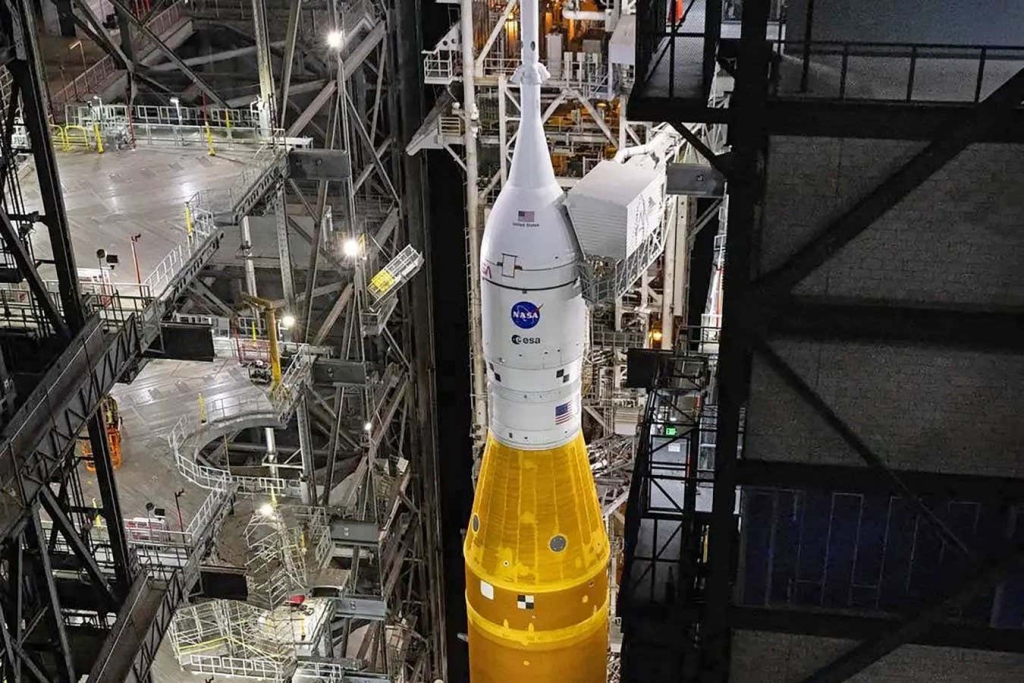
The timing of these changes isn’t coincidental. Artemis II, scheduled for launch in the coming months, has already experienced significant technical challenges during its pre-flight preparations. The Space Launch System (SLS) rocket—NASA’s behemoth designed to carry humans beyond low Earth orbit—has proven to be a temperamental beast.
During recent fueling tests, engineers discovered persistent hydrogen leaks that forced the massive rocket to be rolled back from the launchpad multiple times for extensive analysis and repairs. The last successful SLS launch occurred way back in 2022, highlighting the program’s chronic delays and technical hurdles.
“It became clear that our original approach of making major upgrades to the rocket between each mission was creating more problems than it solved,” Isaacman admitted during the press conference. “We were trying to make every rocket a masterpiece, but sometimes good enough is actually better.”
The New Philosophy: Standardized Rockets and Accelerated Timelines
Perhaps the most revolutionary aspect of NASA’s new approach is the decision to standardize the SLS rocket configuration rather than continuously upgrading it. This marks a complete departure from the original plan, which called for significant modifications to the rocket’s upper stage for each successive mission.
“We’re not going to turn every rocket into a work of art,” Isaacman stated bluntly, signaling a cultural shift within NASA toward practicality over perfection.
This standardization strategy enables something equally revolutionary: faster launch cadence. Under the new plan, Artemis IV and potentially Artemis V could both achieve lunar landings as early as 2028—dramatically accelerating NASA’s timeline for establishing a sustained human presence on the moon.
Why This Approach Actually Makes Sense
Critics might view these changes as NASA admitting defeat or scaling back its ambitions, but aerospace experts see it differently. The new strategy addresses several fundamental problems that have plagued the Artemis program since its inception.
First, it acknowledges the reality of working with cutting-edge technology. The SLS represents the most powerful rocket ever built, and learning to operate such a complex system requires patience and incremental progress. By focusing on mastering each component before attempting more ambitious missions, NASA reduces the risk of catastrophic failures that could set the program back years.
Second, the accelerated timeline creates momentum that’s been sorely lacking. One of the biggest challenges facing Artemis has been the perception—and reality—of interminable delays. By committing to more frequent launches with smaller, achievable goals, NASA aims to maintain public interest and political support while building operational expertise.
The Bigger Picture: NASA’s Lunar Strategy Evolution
These changes reflect a broader philosophical shift in how NASA approaches space exploration. The original Apollo program succeeded through massive, concentrated effort and essentially unlimited funding. Artemis, operating in a very different political and economic environment, requires a more sustainable approach.
The new strategy emphasizes:
Risk management through incremental testing: Rather than attempting complex operations like lunar landings immediately, NASA will validate each critical capability in progressively more challenging scenarios.
Operational cadence over technological perfection: By standardizing the rocket and focusing on execution, NASA hopes to establish reliable launch operations that can support sustained lunar exploration.
Learning from each mission: The compressed timeline means NASA can apply lessons from one mission to the next much more quickly, accelerating the overall learning curve.
What This Means for the Future of Lunar Exploration
If successful, NASA’s revamped approach could establish a template for how government space agencies tackle ambitious exploration goals in an era of constrained budgets and heightened public scrutiny.
The focus on establishing reliable operations before attempting complex objectives mirrors strategies used successfully in other high-risk industries, from aviation to deep-sea exploration. It’s a recognition that sustainable exploration requires building institutional knowledge and operational excellence, not just technological capability.
Moreover, the accelerated timeline puts pressure on NASA’s commercial partners, particularly SpaceX, which is developing the Starship system intended to serve as the lunar lander for Artemis missions. The new schedule demands that these private sector partners also accelerate their development timelines, potentially catalyzing innovation across the entire space industry.
The Road Ahead: Challenges and Opportunities
Despite the optimistic tone of the announcement, significant challenges remain. The SLS rocket, despite the decision to standardize it, still faces technical hurdles that must be overcome. The spacesuits and lunar landers that will enable actual moonwalks are still in development. And perhaps most critically, the political and financial support necessary to sustain an accelerated lunar program remains uncertain.
However, the changes announced by NASA represent a pragmatic acknowledgment of these challenges coupled with a renewed commitment to overcoming them. By focusing on achievable goals and establishing a sustainable operational tempo, NASA is positioning itself to finally deliver on the promise of Artemis: not just a return to the moon, but the establishment of a permanent human presence there.
As Isaacman concluded during the press conference: “We’re not just going back to the moon—we’re going to stay this time. But to do that, we need to be smart, we need to be safe, and we need to move with purpose. That’s exactly what this new approach enables.”
The next few years will determine whether NASA’s bet on rapid, incremental progress pays off or whether the challenges of lunar exploration prove too daunting even for this more measured approach. One thing is certain: the race to return humans to the moon just got a lot more interesting.
Tags: #NASA #Artemis #MoonMissions #SpaceExploration #SLS #RocketScience #LunarLanding #SpaceTech #NASAUpdates #Moon2024 #SpaceRace #AerospaceEngineering #HumanSpaceflight #LunarGateway #MoonBase #SpaceInnovation #NASAAnnouncement #ArtemisProgram #SpacePolicy #FutureOfSpace
Viral Phrases: “NASA shakes up moon plans,” “Faster, safer approach to lunar exploration,” “Standardizing rockets for speed,” “Incremental progress over perfection,” “2028 moon landing possible,” “Artemis gets a reboot,” “From masterpiece to practical,” “The new space race strategy,” “NASA’s bold lunar pivot,” “Moon missions accelerated,” “Learning from SLS challenges,” “The end of rocket perfectionism,” “NASA’s pragmatic lunar approach,” “Moon landing timeline shortened,” “Space exploration gets real,” “The future of lunar missions,” “NASA’s accelerated moon timeline,” “Breaking down barriers to the moon,” “The Artemis revolution,” “Moon missions reimagined.”
,


Leave a Reply
Want to join the discussion?Feel free to contribute!