
NASA is pushing back its plans for a Moon landing
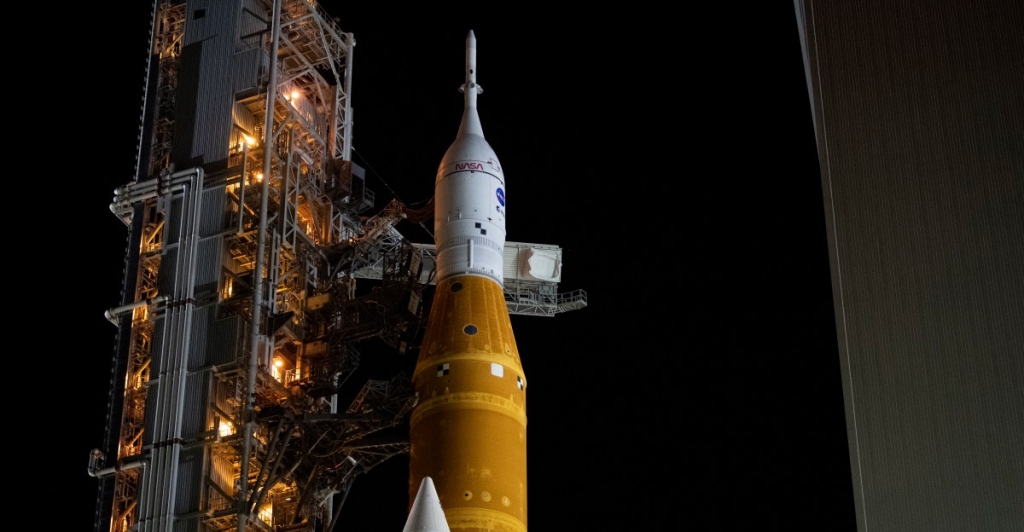
NASA Pushes Back Moon Landing to 2028 Amid Safety Concerns and Program Overhaul
In a significant shift for America’s ambitious lunar return program, NASA announced Friday that it’s pushing back its first crewed Moon landing to at least 2028, marking a substantial delay in the agency’s Artemis timeline. The announcement came during a press conference where officials revealed a comprehensive restructuring of the Artemis program, citing safety concerns and the need for a more measured approach to humanity’s return to the lunar surface.
The most immediate impact of this restructuring is the reassignment of Artemis III, previously scheduled for 2027 with the goal of landing astronauts on the Moon for the first time since 1972. Instead of attempting a landing, Artemis III will now serve as an orbital test flight, allowing NASA to validate systems and procedures before committing to a surface mission. This decision directly addresses concerns raised by NASA’s Aerospace Safety Advisory Panel (ASAP) in a report earlier this month, which identified “cumulative technical, operational, and schedule risks” associated with attempting too many “first-of-a-kind objectives” in a single mission.
“The safety of our astronauts is our highest priority,” said NASA Administrator Bill Nelson during the press conference. “We cannot afford to rush back to the Moon at the expense of crew safety or mission success. This revised architecture allows us to build confidence incrementally while maintaining momentum toward our lunar goals.”
The revised Artemis architecture introduces several key changes beyond simply delaying the landing. Most notably, NASA is “increasing its cadence of missions” with the addition of a second test flight in 2027, designated as Artemis IV, which will now become the first mission to attempt a lunar landing. This change represents a fundamental shift in NASA’s approach, moving from a “one-and-done” landing strategy to a sustained presence model.
Under the new plan, NASA aims for “at least one surface landing every year thereafter,” establishing a regular cadence of lunar missions that would represent an unprecedented commitment to sustained lunar exploration. This accelerated post-2028 schedule suggests that while individual missions may be delayed, the overall program is being restructured for long-term sustainability rather than short-term achievement.
The announcement comes at a particularly challenging time for the Artemis program, with the Artemis II mission—scheduled for launch no earlier than April 2024—currently facing its own set of technical challenges. Recent testing has revealed issues that have pushed back the launch date, though NASA officials emphasized that these problems are being addressed and should not impact the revised timeline for subsequent missions.
Artemis II, when it does launch, will represent a critical milestone as it will be the first crewed mission to lunar orbit since Apollo 17 in 1972. The mission will test all systems in deep space conditions with astronauts aboard, providing invaluable data for future landing attempts. The success of Artemis II will be crucial for building confidence in the systems that will eventually carry astronauts to the lunar surface.
The decision to restructure the Artemis program reflects a maturing approach to space exploration that prioritizes sustainable progress over dramatic milestones. By spreading out the “first-of-a-kind” objectives across multiple missions, NASA aims to reduce risk while building a foundation for the more ambitious goals that follow, including the establishment of a lunar base and eventual crewed missions to Mars.
Industry partners have largely supported the decision, though some had been counting on earlier landing dates for their own development schedules. SpaceX, which is developing the Starship lunar lander for NASA, acknowledged the delay but emphasized that the additional time would allow for more thorough testing and development of their systems.
The financial implications of the revised timeline remain unclear, though NASA officials indicated that the changes would not require additional funding beyond what has already been allocated for the Artemis program. By spreading missions out and reducing the pressure on individual flights, the agency may actually be able to operate more efficiently within its existing budget.
Looking ahead, the 2028 target for the first Artemis landing represents a cautious but achievable goal that balances ambition with realism. The additional time will allow NASA to incorporate lessons learned from Artemis II and the newly added test flight, while also giving commercial partners more time to mature their systems and capabilities.
The delay also aligns with broader trends in space exploration, where agencies and companies worldwide are recognizing that sustainable exploration requires patience, careful planning, and a willingness to adjust timelines when safety or technical concerns arise. As NASA prepares for humanity’s return to the Moon, this revised approach suggests that when astronauts do finally step onto the lunar surface again, they’ll be doing so with systems that have been thoroughly tested and proven reliable.
For space enthusiasts and the general public, the revised timeline may be disappointing, but it represents a mature recognition that the journey back to the Moon is not a race but a careful, deliberate process of expanding humanity’s presence in space. The Artemis program, even with its delays, still represents an unprecedented commitment to lunar exploration that could lay the groundwork for decades of scientific discovery and technological advancement.
Tags: NASA, Artemis, Moon Landing, Space Exploration, Lunar Mission, Aerospace Safety, Artemis III, Artemis IV, Space Technology, Deep Space, Lunar Orbit, SpaceX, Starship, Space Program, Space Safety, NASA Administrator, Bill Nelson, Aerospace Safety Advisory Panel, ASAP, Space Press Conference, Space News, Technology News
Viral Phrases: NASA delays Moon landing, Artemis program overhaul, Safety concerns push back lunar landing, NASA’s new Moon timeline, Astronauts delayed, Space exploration restructuring, Lunar landing pushed to 2028, NASA’s cautious approach, Space safety first, Artemis missions reorganized, Moon landing rescheduled, NASA’s lunar ambitions, Space program delays, Technical challenges in space, Sustainable space exploration, Building confidence in space systems, Commercial space partnerships, Lunar exploration timeline, Space technology development, Deep space testing, Human spaceflight safety, NASA Administrator announcement, Aerospace industry response, Space budget considerations, Long-term lunar presence, Mars preparation through Moon missions, Space enthusiast reaction, Public patience in space exploration, Scientific discovery in space, Technological advancement through Artemis, Space community response, International space cooperation, Future of lunar exploration, Space mission planning, Risk management in space, Incremental progress in space, Space program transparency, Public communication in space agencies, Space policy implications, Future space economics, Space workforce development, Educational impact of space delays, Space industry adaptation, Technology maturation in space, Space program credibility, Historical context of space delays, Apollo program comparisons, Space exploration philosophy, Public engagement with space, Space mission psychology, Long-term vision in space agencies
,


Leave a Reply
Want to join the discussion?Feel free to contribute!