
Anthropic Hits Back After US Military Labels It a ‘Supply Chain Risk’
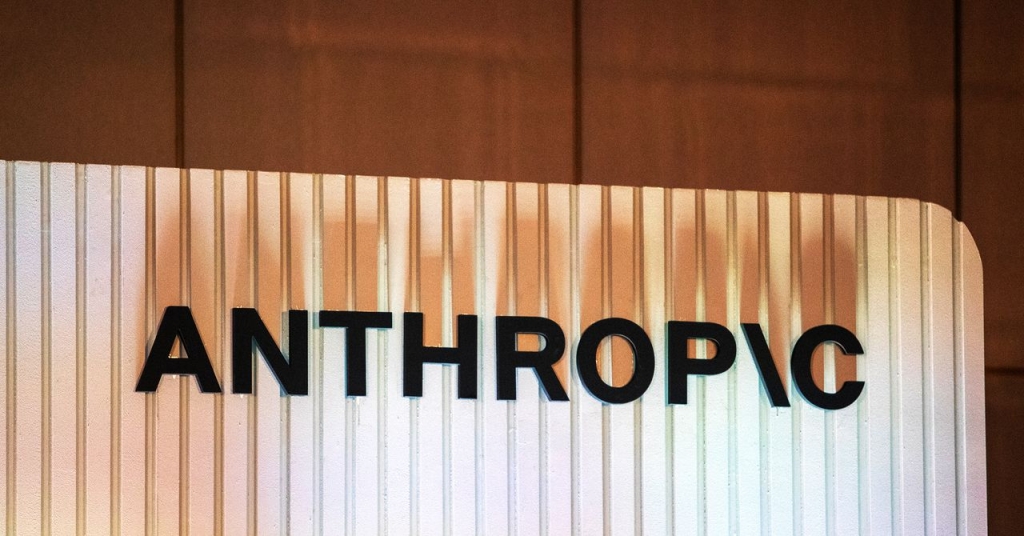
U.S. Government Escalates AI Battle: Pentagon Declares Anthropic a “Supply Chain Risk” in Explosive Showdown
In a move that has sent shockwaves through Silicon Valley and the global tech industry, U.S. Secretary of Defense Pete Hegseth has officially designated Anthropic as a “supply chain risk,” effectively banning all military contractors from engaging with one of the world’s most prominent AI companies. The stunning declaration, announced via social media on Friday, has ignited a firestorm of controversy, legal threats, and existential questions about the future of American tech companies doing business with the government.
“Effective immediately, no contractor, supplier, or partner that does business with the United States military may conduct any commercial activity with Anthropic,” Hegseth declared in his post, setting off a chain reaction that has left thousands of companies scrambling to understand the implications of this unprecedented move.
The Battle Lines: Ethics vs. Military Might
At the heart of this explosive confrontation lies a fundamental clash between Anthropic’s commitment to AI safety principles and the Pentagon’s demand for unrestricted access to cutting-edge artificial intelligence. For weeks, tense negotiations have unfolded behind closed doors as the two entities grappled with how the U.S. military could utilize Anthropic’s powerful AI models.
Anthropic, founded by former OpenAI researchers and backed by tech giants including Google and Amazon, has positioned itself as the “safety-first” AI company. In a defiant blog post earlier this week, the company laid out its non-negotiable boundaries: its contracts with the Pentagon should explicitly prohibit the use of its technology for mass domestic surveillance of American citizens and the development of fully autonomous weapons systems.
The Pentagon, however, pushed back hard. Defense officials demanded that Anthropic agree to let the U.S. military apply its AI to “all lawful uses” with no specific exceptions. This uncompromising stance has now culminated in what many industry experts are calling an all-out war between the government and one of America’s most innovative tech companies.
Supply Chain Risk: A Weapon of Mass Disruption
The designation of Anthropic as a “supply chain risk” is not merely symbolic—it’s a powerful tool that allows the Pentagon to restrict or completely exclude certain vendors from defense contracts if they’re deemed to pose security vulnerabilities. This designation is typically reserved for situations involving foreign ownership, control, or influence that could compromise sensitive military systems and data.
However, what makes this case extraordinary is that Anthropic is an American company, founded and headquartered in San Francisco, with no foreign ownership or control. The move represents an unprecedented use of supply chain risk authority against a domestic tech giant, raising serious questions about the government’s expanding power to dictate terms to American companies.
Anthropic Strikes Back: Legal Warfare Looms
In a blistering response posted Friday evening, Anthropic announced its intention to “challenge any supply chain risk designation in court,” warning that such a move would “set a dangerous precedent for any American company that negotiates with the government.”
The company’s statement was unequivocal: “Secretary Hegseth has implied this designation would restrict anyone who does business with the military from doing business with Anthropic. The Secretary does not have the statutory authority to back up this statement.”
Anthropic further revealed a stunning detail that has added fuel to the fire: the company had not received any direct communication from the Department of Defense or the White House regarding negotiations over the use of its AI models. This suggests the designation may have been imposed without proper due process or negotiation—a claim that could prove explosive in any legal challenge.
Silicon Valley in Revolt
The tech industry’s reaction has been swift and overwhelmingly critical. Dean Ball, a senior fellow at the Foundation for American Innovation and former senior policy advisor for AI at the White House, didn’t mince words: “This is the most shocking, damaging, and over-reaching thing I have ever seen the United States government do. We have essentially just sanctioned an American company. If you are an American, you should be thinking about whether or not you should live here 10 years from now.”
Paul Graham, legendary founder of the startup accelerator Y Combinator, pointed to what he sees as the administration’s impulsive nature: “The people running this administration are impulsive and vindictive. I believe this is sufficient to explain their behavior.”
Even competitors have rallied to Anthropic’s defense. Boaz Barak, a researcher at OpenAI, called the move “right about the worst own goal we can do,” adding, “I hope very much that cooler heads prevail and this announcement is reversed.”
OpenAI’s Calculated Maneuver
In a fascinating twist, OpenAI CEO Sam Altman announced Friday night that his company had reached an agreement with the Department of Defense to deploy its AI models in classified environments—seemingly with the carveouts that Anthropic had demanded.
“Two of our most important safety principles are prohibitions on domestic mass surveillance and human responsibility for the use of force, including for autonomous weapon systems,” Altman stated. “The DoW agrees with these principles, reflects them in law and policy, and we put them into our agreement.”
This development raises intriguing questions about whether OpenAI’s willingness to negotiate and compromise has given it a competitive advantage, while Anthropic’s principled stand has led to this punitive designation.
Legal Chaos and Confused Customers
The practical implications of this designation remain murky, even to legal experts. Anthropic maintains that a supply chain risk designation under 10 USC 3252 only applies to Department of Defense contracts directly with suppliers and doesn’t cover how contractors use its Claude AI software to serve other customers.
Three federal contracts experts consulted by Wired said it’s impossible at this point to determine which Anthropic customers, if any, must now cut ties with the company. Alex Major, a partner at McCarter & English who works with tech companies, summed up the confusion: “Hegseth’s announcement is not mired in any law we can divine right now.”
This legal uncertainty has created a nightmare scenario for thousands of companies that rely on Anthropic’s technology. Businesses that have built their entire operations around Claude AI are now facing the terrifying prospect of having to rip out and replace core infrastructure on extremely short notice—or risk losing lucrative government contracts.
The Broader Implications: A Watershed Moment
This confrontation represents far more than a simple contract dispute—it’s a watershed moment that could fundamentally reshape the relationship between the U.S. government and the tech industry. The government’s willingness to effectively sanction an American company for refusing to compromise on ethical principles sets a chilling precedent.
For the AI industry specifically, this battle highlights the growing tension between innovation and regulation, between corporate values and government demands. As AI systems become increasingly powerful and central to both civilian and military applications, these conflicts are likely to become more frequent and more intense.
The case also raises profound questions about American competitiveness in the global AI race. By potentially restricting one of America’s leading AI companies from doing business with the government, is the U.S. inadvertently handing advantages to foreign competitors who face no such ethical constraints?
What Happens Next?
The coming weeks will be critical. Anthropic’s promised legal challenge could drag on for months or even years, creating prolonged uncertainty for the entire tech industry. Meanwhile, companies across America are left to navigate an increasingly complex landscape where doing business with the government requires navigating not just technical and financial challenges, but also fundamental questions about ethics and values.
This confrontation may ultimately force a national conversation about the role of ethics in AI development, the limits of government power over private companies, and the future of American technological leadership. One thing is certain: the outcome of this battle will have ramifications far beyond the walls of Anthropic’s San Francisco headquarters.
Tags:
Anthropic, Pentagon, AI ethics, supply chain risk, Pete Hegseth, Claude AI, OpenAI, government contracts, military AI, tech industry, Silicon Valley, domestic surveillance, autonomous weapons, legal battle, federal contracts, Department of Defense, AI safety, American tech companies, government regulation
Viral Sentences:
“We have essentially just sanctioned an American company.”
“The people running this administration are impulsive and vindictive.”
“This is the most shocking, damaging, and over-reaching thing I have ever seen the United States government do.”
“Kneecapping one of our leading AI companies is right about the worst own goal we can do.”
“If you are an American, you should be thinking about whether or not you should live here 10 years from now.”
“Effective immediately, no contractor, supplier, or partner that does business with the United States military may conduct any commercial activity with Anthropic.”
“The Secretary does not have the statutory authority to back up this statement.”
“This announcement is not mired in any law we can divine right now.”
“Secretary Hegseth has implied this designation would restrict anyone who does business with the military from doing business with Anthropic.”
“We have essentially just sanctioned an American company.”
,

Leave a Reply
Want to join the discussion?Feel free to contribute!