
You Need to Wash Your Bath Towels More Often Than You Think
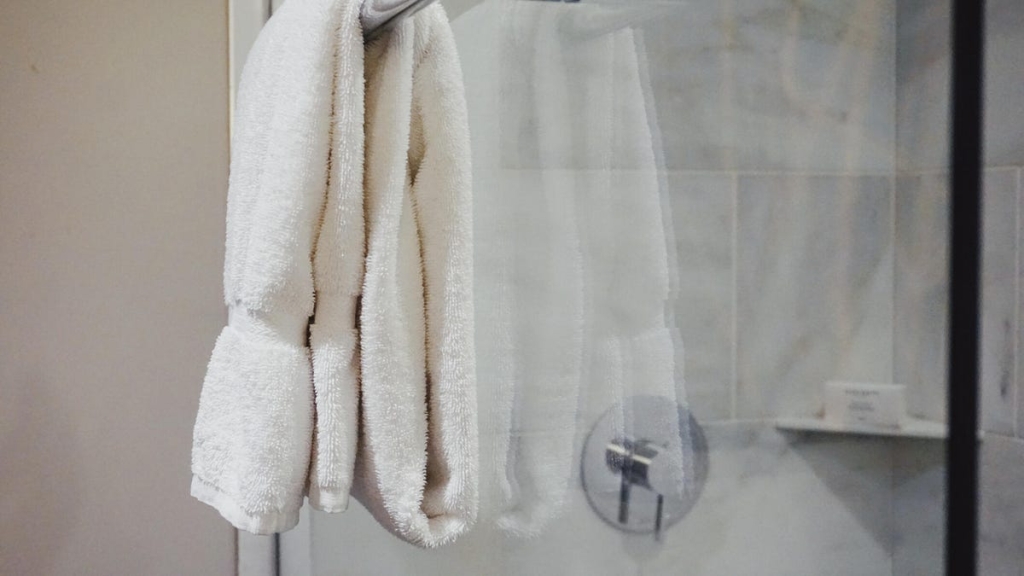
The Dirty Truth About Your Towels: Why You Should Be Washing Them WAY More Often
Picture this: You step out of a refreshing shower, feeling clean and rejuvenated, only to dry off with a towel that’s secretly harboring a thriving ecosystem of bacteria. It’s the hygiene horror story nobody wants to experience, yet millions of us are unknowingly living it every single day.
Recent microbiological studies have revealed that your seemingly innocent bath towel could be hosting millions of microorganisms, including potentially harmful bacteria like E. coli, yeast, and various molds. These invisible invaders aren’t just unpleasant to think about—they can actually pose real health risks, from skin infections to respiratory issues.
The Science Behind Towel Contamination
When you use a towel, you’re not just drying off water—you’re transferring dead skin cells, natural oils, and various microorganisms from your body onto the fabric. This creates what scientists call a “nutrient-rich environment” where bacteria can multiply rapidly. In fact, research shows that bacteria populations can double every 20-30 minutes in the warm, moist conditions typically found in bathrooms.
The problem compounds when towels are left crumpled on the floor or hanging in poorly ventilated spaces. Without proper air circulation, moisture becomes trapped in the fibers, creating the perfect incubator for microbial growth. Even worse, if multiple family members are sharing towels during cold and flu season, you could be creating a highway for virus transmission throughout your household.
The Shocking Frequency Guidelines
Consumer Reports, after extensive testing and consultation with microbiology experts, recommends washing bath towels after just three to five uses—not three to five days, but actual uses. That means if you shower twice daily, you might need to wash your towels every other day.
Hand towels require even more frequent attention. Due to their high-traffic nature and constant exposure to various contaminants (think: food prep, bathroom use, and everything in between), hand towels should hit the laundry after just three or four uses.
During illness outbreaks or flu season, these guidelines become even more stringent. Health experts now recommend using towels only once before washing if someone in the household is sick. Better yet, assign each family member their own dedicated towel set during these periods, even if they’re not showing symptoms. This simple precaution can significantly reduce the risk of cross-contamination.
The Temperature Factor: Killing the Invisible Enemies
Here’s where things get really interesting. The Infection Control department at Mid-Western Regional Hospital in Ennis, Ireland, conducted groundbreaking research that revealed a crucial detail: water temperature matters significantly when it comes to eliminating towel-borne bacteria.
Their studies demonstrated that washing towels in water heated to at least 140 degrees Fahrenheit (60 degrees Celsius) is necessary to effectively kill most harmful bacteria. This temperature is significantly higher than what most people use for their regular laundry cycles.
If your washing machine has a sanitize cycle, that’s your best bet. These cycles are specifically designed to reach and maintain the high temperatures needed to eliminate pathogens. If your machine lacks this feature, you might want to consider temporarily increasing your water heater temperature when washing towels—just remember to return it to a safer setting afterward to prevent scalding risks.
The Drying Dilemma: How You Hang Matters
The way you dry your towels between uses can dramatically impact their cleanliness and longevity. Towels left in crumpled piles on the floor can develop musty odors and bacterial growth within hours. Instead, always hang towels flat on a proper towel rack where air can circulate freely around all surfaces.
For maximum effectiveness, consider these pro tips:
- Install multiple towel bars to prevent overcrowding
- Position racks near windows or ventilation sources
- Use a bathroom fan during and after showers to reduce humidity
- Consider rotating between two sets of towels to allow complete drying between uses
The Material Matters: Choosing Wisely
Not all towels are created equal when it comes to hygiene. Some materials naturally resist bacterial growth better than others:
Bamboo towels contain natural antimicrobial properties that can inhibit bacterial growth. While they still require regular washing, they tend’t to develop that musty smell as quickly as traditional cotton towels.
Microfiber towels dry much faster than cotton, reducing the time bacteria have to multiply. They’re also incredibly effective at trapping dirt and dead skin cells, which means they need more frequent washing but are excellent at keeping you clean.
Egyptian or Pima cotton towels, while luxurious, tend to retain more moisture and therefore may require more vigilant washing schedules to prevent bacterial growth.
The Hidden Costs of Dirty Towels
Beyond the obvious health concerns, using dirty towels can have other consequences:
Skin problems: Reintroducing bacteria and dead skin cells to your freshly cleaned skin can lead to breakouts, rashes, and irritation. People with sensitive skin or conditions like eczema may experience flare-ups from contaminated towels.
Lingering odors: That “funky towel smell” isn’t just unpleasant—it’s a sign of bacterial growth. These odors can transfer to your skin and even your clean clothes if towels aren’t properly maintained.
Reduced towel lifespan: Bacteria and mold can break down towel fibers over time, causing them to become scratchy, lose absorbency, and deteriorate faster than properly maintained towels.
The Bottom Line: Your Towel Hygiene Action Plan
Armed with this knowledge, here’s your comprehensive towel hygiene strategy:
-
Establish a strict washing schedule: Set calendar reminders to wash bath towels every 3-5 uses, hand towels every 3-4 uses.
-
Implement proper drying techniques: Always hang towels flat on a rack in a well-ventilated area.
-
Monitor illness in the household: Increase washing frequency and assign individual towels during sickness.
-
Optimize your washing routine: Use the sanitize cycle or highest appropriate temperature setting (140°F/60°C).
-
Consider material upgrades: Invest in towels with natural antimicrobial properties or faster-drying fabrics.
-
Replace when necessary: Even with perfect care, towels should be replaced every 1-2 years, or sooner if they show signs of wear or persistent odors.
Remember, the goal isn’t to create an obsession with cleanliness, but rather to implement simple, effective practices that protect your health while extending the life of your towels. After all, that fresh-out-of-the-shower feeling should extend to your towel experience too.
Tags: towel hygiene, bathroom cleanliness, bacterial growth, laundry tips, health and wellness, home maintenance, germ prevention, family health, cleaning hacks, microbiology, household tips, sanitization, personal care, bathroom organization, wellness routine
Viral Phrases: “The dirty truth about your towels,” “bacterial breeding ground,” “microscopic monsters,” “cleanliness conspiracy,” “towel terror,” “hygiene horror story,” “invisible invaders,” “bathroom battleground,” “germ warfare,” “sanitize or suffer,” “cleanliness countdown,” “towel transformation,” “freshness formula,” “bacteria battleground,” “hygiene hero”
Viral Sentences: “Your towel might be cleaner than your toilet seat,” “The 3-use rule that could save your skin,” “Why your ‘clean’ towel is actually a bacterial buffet,” “The temperature secret that kills 99.9% of germs,” “How one dirty towel can infect your entire family,” “The shocking lifespan of bathroom bacteria,” “Why luxury towels might be making you sick,” “The hidden health hazard hanging in your bathroom,” “How to break the bacteria cycle in your linen closet,” “The towel mistake 90% of people make daily”
,

Leave a Reply
Want to join the discussion?Feel free to contribute!