
Studio Display Pro rumors resurface after code references suggest a premium model
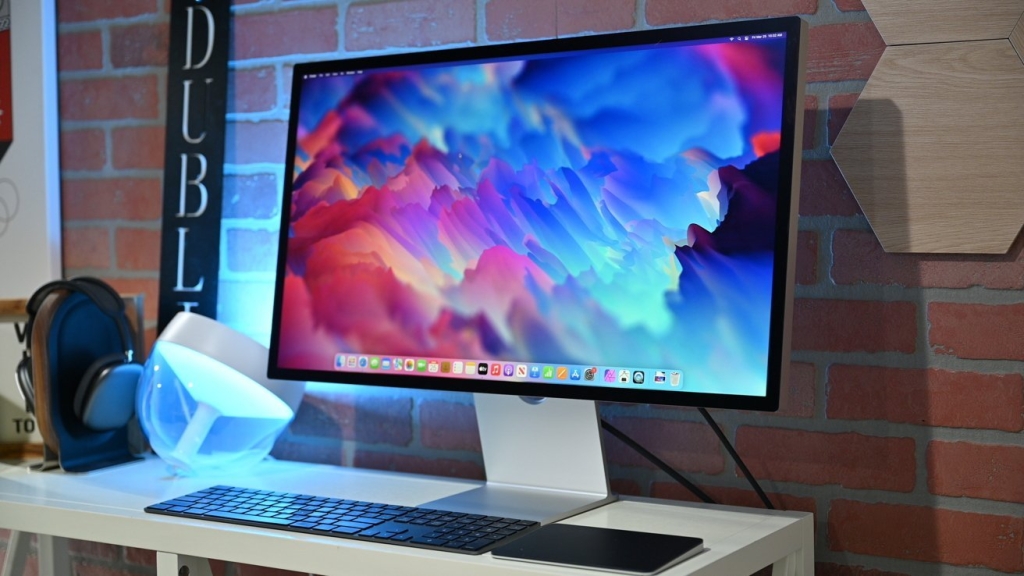
Apple’s Studio Display Set for Major Upgrade: Two New Models Leaked in iOS 26 Beta Code
In a development that’s sending ripples through the tech world, eagle-eyed developers have uncovered tantalizing code fragments in the latest iOS 26 beta that strongly suggest Apple is preparing to refresh its Studio Display lineup with not one, but two new models. This revelation has ignited speculation about what Cupertino has been cooking up in its labs, potentially addressing long-standing criticisms of the current display while introducing premium features that could redefine the professional monitor market.
The discovery comes from meticulous code analysis conducted by developers poring through the iOS 26 beta software, where references to model identifiers “J427” and “J527” were found buried deep within the system files. In Apple’s internal nomenclature, this dual-model approach is a familiar pattern—the company often releases a standard version alongside a more premium variant, as seen with its iPhone, iPad, and MacBook lineups. The presence of two distinct model codes strongly indicates that Apple is planning a tiered Studio Display strategy, something the market has been anticipating since the original’s 2022 launch.
The Current Studio Display: A Mixed Legacy
When Apple unveiled the Studio Display in March 2022, it represented the company’s first standalone monitor in years, designed to complement the Mac Studio and appeal to creative professionals seeking an all-Apple ecosystem. The 27-inch 5K Retina display boasted impressive specifications for its time: a 5120 x 2880 resolution, 600 nits brightness, P3 wide color gamut, and a 12-megapixel Ultra Wide camera with Center Stage technology borrowed from the iPad.
However, the display’s reception was decidedly mixed. While reviewers praised its color accuracy, build quality, and seamless integration with macOS, many balked at the $1,599 price tag—especially given that it used an IPS LCD panel rather than the mini-LED or OLED technology found in Apple’s Pro Display XDR. The inclusion of a dated iPhone 11-class A13 Bionic chip for processing power and the limitation to just three USB-C ports (one Thunderbolt 3, two USB-C) further fueled criticism from professionals who expected more for the premium price.
What the Code Reveals: A Tale of Two Displays
The iOS 26 beta code references provide our first concrete evidence that Apple is actively developing successors to the current model. While the company remains characteristically tight-lipped about unannounced products, the technical breadcrumbs left in developer software paint an intriguing picture of what might be coming.
Industry analysts and Apple watchers have begun speculating about the potential differentiation between the two models. The most widely accepted theory suggests that one display will serve as a direct replacement for the current Studio Display, maintaining the familiar 27-inch 5K form factor but with updated internals and potentially a more competitive price point. The second model, however, is where things get particularly interesting.
The Premium Model: Ports and Audio Revolution
According to sources familiar with Apple’s development roadmap, the higher-end model—potentially dubbed “Studio Display Pro” or simply “Studio Display (High-End)”—is expected to address two of the most common complaints about the original: connectivity limitations and audio performance.
The port configuration appears to be a major focus of the upgrade. Current rumors suggest the premium model could feature a significantly expanded array of connectivity options, potentially including:
- Additional Thunderbolt ports (possibly up to four total)
- More USB-C ports with enhanced power delivery capabilities
- An HDMI 2.1 port for direct console and camera connectivity
- An SD card reader for photographers and videographers
- A headphone jack with enhanced DAC for audiophile users
This expanded connectivity would transform the Studio Display from a simple monitor into a comprehensive docking station, capable of handling multiple high-bandwidth devices simultaneously—a crucial feature for professionals working with 4K/8K video, complex audio setups, or extensive peripheral arrays.
The audio system is reportedly receiving equally substantial attention. While the current Studio Display features a six-speaker system with force-canceling woofers and a three-mic array, the premium model is said to be engineering a completely redesigned acoustic experience. Speculation points to:
- Upgraded speaker drivers with enhanced frequency response
- Additional tweeters for improved high-frequency clarity
- A more powerful amplifier system for better dynamic range
- Enhanced spatial audio processing capabilities
- Studio-quality microphone array with improved noise cancellation
These audio improvements would position the premium Studio Display as not just a visual powerhouse but also an exceptional platform for content creation, video conferencing, and multimedia consumption.
Technical Specifications: What We Might See
Beyond the confirmed model identifiers, the iOS 26 beta code has provided hints about other potential specifications. While concrete details remain scarce, industry insiders suggest several possibilities based on Apple’s current technology roadmap and competitive pressures:
Display Technology: While the 27-inch 5K resolution is likely to remain standard, there’s speculation about whether Apple might introduce mini-LED backlighting in the premium model, offering improved contrast ratios and better HDR performance. Some analysts even suggest the possibility of a 6K resolution option, though this seems less likely given Apple’s current product positioning.
Processing Power: The current A13 Bionic chip could be upgraded to something more current, possibly an A15 or M-series variant, to handle enhanced camera processing, spatial audio calculations, and potential new smart features.
Camera System: Building on the Center Stage technology, the new models might feature improved camera sensors with better low-light performance and potentially even a Face ID module for enhanced security and seamless authentication.
Design Evolution: While maintaining the familiar aluminum and glass aesthetic, subtle design refinements could include slimmer bezels, improved cooling solutions, or new mounting options.
Market Timing and Strategic Implications
The timing of this potential refresh is particularly noteworthy. Apple typically updates its display lineup on a three-to-four-year cycle, making 2026 a logical timeframe for a Studio Display overhaul. The discovery in iOS 26 beta code suggests development is well underway, potentially positioning new models for a mid-to-late 2026 launch alongside new Mac hardware.
This refresh comes at a crucial time for Apple’s professional product lineup. With Intel-based Mac Pro users still awaiting a comprehensive Apple Silicon replacement, and the Mac Studio itself facing questions about its long-term positioning, a significantly upgraded Studio Display could help maintain interest in Apple’s desktop ecosystem while the company completes its transition to Apple Silicon across all product lines.
Competitive Landscape and Market Positioning
The potential new Studio Display models arrive as the professional monitor market becomes increasingly competitive. Dell’s UltraSharp series, HP’s DreamColor lineup, and EIZO’s ColorEdge displays have all evolved significantly, offering features that sometimes surpass what Apple currently provides. By expanding the Studio Display lineup with premium options, Apple appears positioned to better compete across different market segments.
The dual-model approach also mirrors successful strategies employed by competitors. Dell’s UltraSharp monitors, for instance, offer both standard and “Creator” variants with enhanced color accuracy and connectivity. By adopting a similar strategy, Apple could capture both budget-conscious professionals and those demanding the absolute best performance.
Developer and Professional Community Response
The tech community’s reaction to these revelations has been mixed but predominantly positive. Many professionals who found the original Studio Display’s port limitations frustrating express cautious optimism about the rumored improvements. The prospect of a true professional-grade monitor from Apple, complete with enhanced connectivity and audio, has reignited interest in what many had written off as a missed opportunity.
However, some skepticism remains regarding pricing. If Apple positions the premium model as a true “Pro” display, it could command a significantly higher price point—potentially $2,500 or more—which would place it in direct competition with Apple’s own Pro Display XDR. This pricing strategy would need to be carefully calibrated to avoid cannibalizing sales of Apple’s higher-end offerings.
Looking Ahead: What This Means for Apple’s Ecosystem
The development of these new Studio Display models represents more than just a hardware refresh—it signals Apple’s continued commitment to the professional market and its vision for an integrated ecosystem where every component works seamlessly together. In an era where many professionals work across multiple devices and platforms, Apple’s approach of creating tightly integrated hardware and software experiences remains a key differentiator.
Moreover, these displays could serve as showcase devices for Apple’s latest technologies, from advanced camera processing and spatial audio to new display innovations and connectivity standards. As Apple continues to push the boundaries of what’s possible with its silicon and software, professional displays represent an important canvas for demonstrating these capabilities.
The Road Ahead
While much remains speculative until Apple makes any official announcements, the code fragments discovered in iOS 26 provide compelling evidence that significant changes are coming to the Studio Display lineup. Whether these updates will be enough to win over critics of the original model remains to be seen, but they represent a clear indication that Apple is listening to professional feedback and investing in its display technology.
As we move closer to what appears to be an inevitable product launch, the tech world will undoubtedly continue to analyze every available data point, searching for additional clues about Apple’s plans. For now, the discovery of these model identifiers serves as a reminder that even in an industry where leaks are increasingly common, Apple still manages to keep significant details under wraps until it’s ready to share them with the world.
The next chapter in the Studio Display story appears to be taking shape, and for professionals who rely on Apple’s ecosystem, it promises to be an interesting one to watch unfold.
Tags: #Apple #StudioDisplay #iOS26 #TechLeaks #DisplayTech #AppleRumors #ProfessionalDisplay #MacStudio #TechNews #AppleInsider #DisplayUpgrade #PremiumMonitor #TechSpeculation #AppleEcosystem #HardwareRefresh
Viral Phrases: “Game-changing display upgrade,” “Apple’s best-kept secret revealed,” “Two models, one revolutionary vision,” “The display professionals have been waiting for,” “Ports and audio reimagined,” “Code fragments spark industry frenzy,” “Apple’s premium monitor strategy unveiled,” “The future of professional displays,” “Connectivity revolution coming,” “Audio performance redefined,” “Tech world buzzing with excitement,” “Apple’s next big thing,” “Professional-grade innovation,” “The display that does it all,” “Apple’s ecosystem gets stronger”
,


Leave a Reply
Want to join the discussion?Feel free to contribute!