
Hidden Virus Found in Gut Bacteria Is Linked to Colorectal Cancer : ScienceAlert
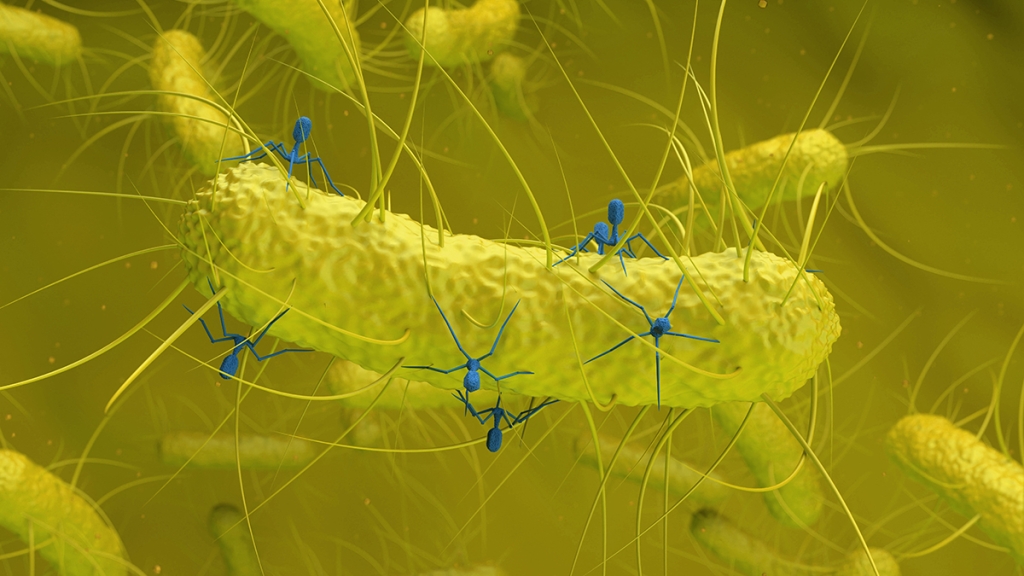
In a groundbreaking discovery that could reshape our understanding of colorectal cancer, researchers have uncovered a previously unknown virus that may play a pivotal role in the development of one of the most common and deadly forms of cancer in the developed world. This finding, published in the journal Communications Medicine, offers a new lens through which scientists can examine the complex interplay between gut bacteria, viruses, and cancer risk.
Colorectal cancer has long been associated with the bacterium Bacteroides fragilis, a common resident of the human gut. However, this bacterium is also found in healthy individuals, creating a paradox that has puzzled researchers for years. Now, a team of scientists from Denmark and Australia has identified a bacteriophage—a virus that infects bacteria—that appears to be closely linked to B. fragilis in cancer patients.
Using advanced genetic sequencing, the researchers analyzed the gut microbiomes of cancer patients participating in a large Danish population study. They discovered that B. fragilis in these patients often carried this newly identified bacteriophage. To validate their findings, the team expanded their analysis to a cohort of 877 individuals, both with and without colorectal cancer. The results were striking: people with colorectal cancer were twice as likely to have detectable levels of the bacteriophage in their gut bacteria.
What makes this discovery even more intriguing is that the virus does not match any known bacteriophage in existing databases. This suggests that it may represent a completely new type of virus, one that could have significant implications for our understanding of cancer biology.
While the researchers cannot yet prove a direct causal link between the bacteriophage and colorectal cancer, the association is strong enough to warrant further investigation. “It is not just the bacterium itself that seems interesting,” explains microbiologist Flemming Damgaard from Odense University Hospital in Denmark. “It is the bacterium in interaction with the virus it carries.”
The study raises several critical questions. Does the bacteriophage contribute to cancer development, or is it merely a marker of other changes in the gut microbiome? How does the presence of the virus alter the behavior of B. fragilis? And could this discovery lead to new methods for early detection or even prevention of colorectal cancer?
These questions are particularly important given that environmental factors, including gut bacteria composition, account for approximately 80% of colorectal cancer risk. Understanding the role of bacteriophages in this context could open new avenues for research and treatment.
The complexity of the gut microbiome cannot be overstated. Home to trillions of microorganisms, the gut is a dynamic ecosystem that influences everything from digestion to immune function. Now, with the discovery of this bacteriophage, researchers have an additional layer to explore. Future studies may focus on how B. fragilis behaves when infected by the virus, potentially revealing new mechanisms of cancer development.
The implications of this research extend beyond the laboratory. The team suggests that their findings could be used to develop new screening methods for colorectal cancer. For example, stool sample tests could be designed to detect the presence of this B. fragilis bacteriophage, offering a non-invasive way to identify individuals at higher risk.
“This discovery is like finding a needle in a haystack,” says Damgaard. “Instead of focusing solely on the bacteria, we’ve looked inside them—at the viruses they carry. In the short term, we can investigate whether the virus can be used to identify individuals at increased risk.”
While this research is still in its early stages, it represents a significant step forward in the fight against colorectal cancer. By shedding light on the intricate relationships between gut bacteria, viruses, and cancer, scientists are paving the way for new diagnostic tools and therapeutic strategies.
As the global burden of colorectal cancer continues to rise, discoveries like this offer hope for more effective prevention and treatment. The journey from laboratory to clinic may be long, but each breakthrough brings us closer to a future where cancer is no longer a death sentence.
Tags: #ColorectalCancer #GutBacteria #Bacteriophage #Microbiome #CancerResearch #HealthInnovation #ViralDiscovery #MedicalBreakthrough #GutHealth #ScienceNews
Viral Sentences:
- “Scientists uncover a hidden virus that could be the key to understanding colorectal cancer!”
- “This newly discovered bacteriophage might change everything we know about cancer risk!”
- “Could your gut bacteria be harboring a cancer-causing virus? Researchers say yes!”
- “A game-changing discovery in the fight against one of the deadliest cancers!”
- “The future of cancer screening might lie in your gut—literally!”
- “This virus inside your gut bacteria could be the missing link in cancer research!”
- “From lab to life: How a tiny virus could save millions from colorectal cancer!”
- “Breaking the code: Scientists decode the role of bacteriophages in cancer!”
- “The gut microbiome just got even more fascinating—and potentially life-saving!”
- “A viral discovery that could revolutionize how we detect and treat cancer!”
,


Leave a Reply
Want to join the discussion?Feel free to contribute!