
Samsung’s Qi2 excuse on Galaxy S26 ignores the problem
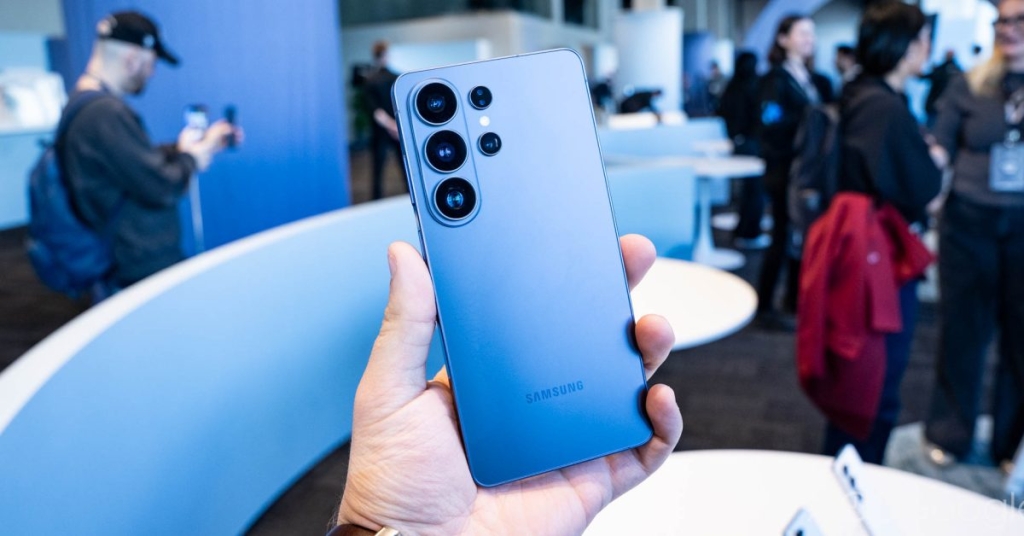
Samsung Galaxy S26 Series Drops Qi2 Magnets, Citing Thinner Design—But Is That a Mistake?
The Samsung Galaxy S26 series is here, and while it brings a host of impressive upgrades, there’s one controversial omission that’s got tech enthusiasts buzzing: no built-in Qi2 magnets. Samsung’s official excuse? They wanted to keep the phones “thinner and lighter.” But is that really the whole story?
The Qi2 Magnet Debate: What’s the Big Deal?
Qi2 magnets were designed to revolutionize wireless charging, offering faster speeds and perfect alignment every time. Apple has been using this tech for years, and it’s become a must-have feature for many users. So, why would Samsung ditch it?
According to Samsung, the Galaxy S26 series supports Qi2-compatible phone cases, giving users flexibility without embedding the feature directly into the device. But here’s the catch: not all cases have magnets, and the third-party market is a mixed bag. This means you might need to buy a specific case just to take advantage of the phone’s wireless charging capabilities.
The Real Problem: 25W Charging Speeds
The issue goes deeper than just convenience. Samsung has upgraded the wireless charging speeds of the Galaxy S26+ and Galaxy S26 Ultra to 25W, but here’s the kicker: you can’t fully utilize these speeds without a magnetic case. According to the Qi2 spec, 25W speeds are reserved for Magnetic Power Profile (MPP) devices, which require active alignment.
So, unless you’re using a magnetic case or a puck-style charger, you’re stuck with slower charging speeds. And let’s be honest—who wants to fiddle with aligning their phone perfectly every time they charge it?
Samsung’s “Thinner, Lighter” Excuse: Does It Hold Up?
Samsung claims the decision was driven by their commitment to thinner, lighter designs. And yes, the Galaxy S26 Ultra does feel fantastic in the hand—less like a 6.9-inch behemoth and more like a sleek, portable powerhouse. But is sacrificing Qi2 magnets worth it?
Many tech experts argue that the appeal of Qi2 magnets goes beyond personal preference. It’s about standardization and ensuring that every user can take full advantage of their device’s features. By offloading magnets to cases, Samsung is creating a fragmented experience that could frustrate users.
The Bigger Picture: A Missed Opportunity?
Early leaks suggested Samsung initially wanted to include Qi2 magnets natively. So, what changed? Some speculate that cost-cutting or design constraints played a role. Others believe Samsung is betting on the growing market for magnetic accessories.
Whatever the reason, the decision has sparked debate. While the Galaxy S26 series is undeniably impressive, the lack of Qi2 magnets feels like a step backward in an era where convenience and speed are king.
Pre-Order Now: Is It Worth It?
The Galaxy S26 series is available for pre-order now, with Samsung’s usual perks in full swing. You’ll get boosted trade-in values, and if you buy using our links, you’ll even get an extra $30 credit. But before you hit that “buy” button, ask yourself: are you willing to compromise on wireless charging for a thinner design?
Final Thoughts: A Bold Move or a Misstep?
Samsung’s decision to drop Qi2 magnets is bold, but it might not be the right one. While the Galaxy S26 series is a powerhouse of a phone, the lack of built-in magnets could be a dealbreaker for many users. As wireless charging becomes increasingly important, Samsung’s gamble on design over functionality might not pay off.
What do you think? Is Samsung’s excuse valid, or is this a misstep in an otherwise stellar lineup? Let us know in the comments below!
Follow Ben: Twitter/X, Threads, Bluesky, and Instagram
Tags & Viral Phrases:
-
SamsungGalaxyS26
-
Qi2Magnets
-
WirelessCharging
-
TechDebate
-
SamsungVsApple
-
GadgetGeeks
-
DesignVsFunctionality
-
TechRumors
-
SmartphoneInnovation
-
ChargingSpeed
-
TechCommunity
-
GalaxyS26Ultra
-
TechAnalysis
-
SamsungStrategy
-
WirelessTech
-
SmartphoneDesign
-
TechInsights
-
ChargingRevolution
-
SamsungDecisions
,


Leave a Reply
Want to join the discussion?Feel free to contribute!