
This Is the System That Intercepted Iran’s Missiles Over the UAE
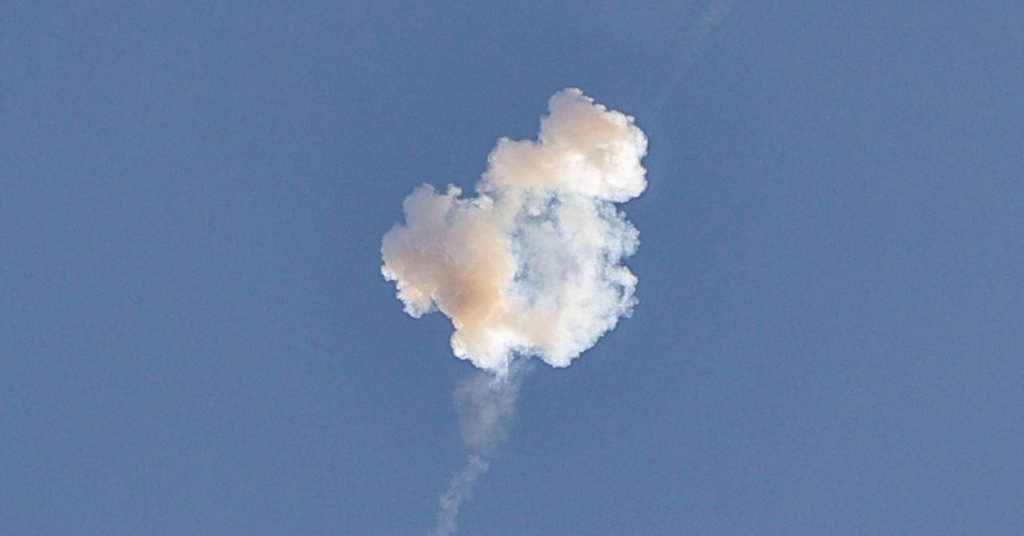
Inside the High-Tech Shield That Intercepted Missiles Over the UAE
In a world where missile threats can materialize in minutes, the UAE’s air defense systems proved their worth this weekend—detecting, tracking, and destroying incoming threats before they could reach their targets. But behind this impressive feat lies a complex web of cutting-edge technology working in perfect synchronization.
The First Line of Defense: Eyes in the Sky
Missile defense begins with sensors that can detect a launch within seconds. One of the key radars used with the THAAD (Terminal High Altitude Area Defense) system is the AN/TPY-2, a high-frequency X-band radar designed to track small, fast-moving objects at long distances.
This isn’t your average radar. The AN/TPY-2 can detect and track ballistic missiles hundreds of kilometers away, following objects traveling at hypersonic speeds and transmitting that data to command centers in real time. Think of it as having superhuman vision that never blinks, constantly scanning the skies for threats.
The Race Against Time
Once a missile launch is detected, defense systems calculate its trajectory and determine where the missile will be at a given moment in flight. Interceptors are then launched to meet it at that exact point in space. But here’s where things get incredibly challenging.
Ballistic missiles travel extremely fast. Some reach speeds of more than 20,000 kilometers per hour—fast enough to cross the entire UAE in just a few minutes. Because of those speeds, defense systems often have only minutes to detect, track, and intercept a missile before it descends toward its target.
To respond within that narrow window, missile defense systems rely on multiple technologies working together: early-warning sensors to detect launches, radar networks to track the threat, and interceptor missiles designed to destroy it mid-flight.
The Gulf’s Growing Shield
The expansion of missile defense systems across the Gulf has been driven largely by the rapid development of ballistic missile arsenals in the region. Iran is widely considered to possess one of the largest ballistic missile inventories in the Middle East.
As a result, Gulf countries have spent more than a decade investing in radar systems, interceptors, and command networks designed to protect critical infrastructure, major cities, and military facilities. The UAE hosts several major military installations, including Al Dhafra Air Base, which houses both Emirati and US forces.
The Lingering Danger
Even when a missile is successfully destroyed, the danger does not disappear entirely. Intercepted missiles can break apart at high altitude, sending fragments falling back toward the ground. In some cases, debris can still cause damage if it lands in populated areas.
Saturday’s incident illustrates that risk: Although incoming missiles were intercepted before impact, falling debris from one interception killed a civilian in Abu Dhabi. It’s a sobering reminder that while missile defense systems can prevent catastrophic strikes, they cannot eliminate all risks.
The Technology Behind the Shield
The missile defense ecosystem involves several key components working in concert:
Detection and Tracking: Advanced radar systems like the AN/TPY-2 provide the initial detection and continuous tracking of incoming threats. These systems must distinguish between actual missiles and other flying objects, making split-second decisions about what constitutes a genuine threat.
Command and Control: Once a threat is identified, sophisticated command centers process the data, calculate trajectories, and determine the optimal response. This involves complex algorithms that must account for variables like wind speed, missile speed, and potential countermeasures.
Interceptors: The actual weapons that destroy incoming missiles come in various forms. The PAC-3 MSE (Missile Segment Enhancement) and THAAD interceptors represent different approaches to the same problem—meeting a high-speed threat with precise, high-speed countermeasures.
Communication Networks: All these systems must communicate seamlessly, sharing data across different platforms and military branches to create a unified defense picture.
A Decade of Partnership
The UAE’s investment in missile defense represents more than just military spending—it’s a decade-long partnership with defense contractors like Lockheed Martin and strategic allies, particularly the United States. This collaboration has brought cutting-edge technology to the region while creating local expertise in operating and maintaining these complex systems.
The Human Element
Behind every successful interception are trained operators making critical decisions under immense pressure. While the systems are automated to a large degree, human judgment remains crucial in determining threat levels and authorizing responses.
The civilian casualty from falling debris also highlights the human cost that persists even when technology performs as designed. It’s a reminder that missile defense, while essential, is not perfect protection.
Looking Forward
As missile technology continues to evolve, so too must defense systems. The Gulf states’ investments represent an ongoing commitment to staying ahead of emerging threats, with regular upgrades and new system deployments planned for the coming years.
The weekend’s successful interceptions demonstrate that these systems work—but they also show the continuing need for vigilance, investment, and international cooperation in maintaining effective missile defense capabilities.
This story originally appeared on WIRED Middle East.
Tags: missile defense, THAAD, UAE, air defense, ballistic missiles, AN/TPY-2 radar, PAC-3 MSE, military technology, Gulf security, Iran threat, defense systems, hypersonic missiles, military innovation, national security, missile interception
Viral Sentences:
- The radar that never blinks: How the AN/TPY-2 tracks missiles at hypersonic speeds
- Minutes to respond, seconds to decide: The race against time in missile defense
- When destroying a missile isn’t enough: The hidden danger of falling debris
- Inside the high-tech shield that protected the UAE this weekend
- From detection to destruction: The complete missile defense chain
- Why Gulf states are spending billions on missile defense systems
- The technology that can spot a missile launch within seconds
- How the UAE’s missile defense systems work together to protect millions
- The sobering reality: Even successful interceptions carry risks
- A decade of partnership: How the UAE built its missile defense capabilities
,

Leave a Reply
Want to join the discussion?Feel free to contribute!