
The Rubin Observatory’s alert system sent 800,000 pings on its first night
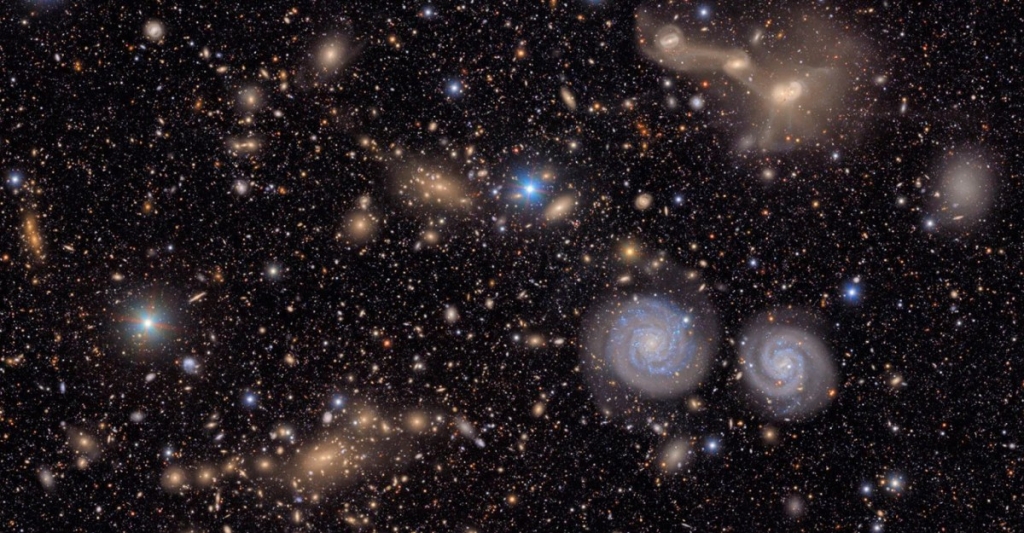
The Vera C. Rubin Observatory’s automated alert system is officially live, and it’s already flooding the astronomical community with an avalanche of cosmic discoveries. Launched publicly on Tuesday, February 24th, the system immediately delivered an astonishing 800,000 alerts in its first night alone—each one pointing to a potential supernova, asteroid, or feasting black hole in the night sky. And that’s just the beginning: astronomers expect the nightly alert count to skyrocket into the millions as the observatory ramps up its operations.
This groundbreaking alert system is part of the Rubin Observatory’s Legacy Survey of Space and Time (LSST) project, which aims to revolutionize our understanding of the universe. The observatory’s massive, car-sized camera—one of the largest ever built—captures about 1,000 images every night. These images are then compared to a reference image taken when the telescope first went online. Any differences are automatically flagged, and an advanced algorithm quickly distinguishes between potential cosmic events, sending real-time alerts to scientists and stargazers around the world.
The speed and precision of this system are nothing short of revolutionary. In just minutes, astronomers can be notified of fleeting celestial events, allowing them to focus their telescopes and resources on phenomena that might otherwise go unnoticed. This is particularly crucial for studying transient events like supernovas, which can fade within days, or near-Earth asteroids, which require immediate attention to assess potential risks.
But the system isn’t just about quantity—it’s also about quality. To prevent researchers from being overwhelmed by the sheer volume of alerts, the system allows for sophisticated filtering. Alerts can be tailored by event type, brightness, or even the number of events within a specific time frame. This means scientists can prioritize the most relevant discoveries and avoid drowning in data.
The Rubin Observatory’s alert system represents a new era in astronomy, where automation and artificial intelligence play a central role in uncovering the mysteries of the cosmos. It’s a game-changer for the scientific community, enabling faster, more efficient, and more comprehensive exploration of the universe. As the system continues to evolve and the number of alerts grows, one thing is certain: the night sky will never look the same again.
Tags & Viral Phrases:
- Vera C. Rubin Observatory
- Automated alert system
- 800,000 alerts in one night
- Supernovas, asteroids, black holes
- Legacy Survey of Space and Time (LSST)
- Car-sized camera
- Real-time cosmic discoveries
- Astronomical revolution
- Filtering alerts for precision
- Millions of nightly alerts
- Transient celestial events
- Game-changing astronomy
- AI in space exploration
- Unveiling the mysteries of the universe
- The future of stargazing
,

Leave a Reply
Want to join the discussion?Feel free to contribute!